REVIEW · FUERTEVENTURA
Stargazing from Dunes of Corralejo, Starlight Guide
Book on Viator →Operated by Stars by Night · Bookable on Viator
Forget scrolling; look up in the Corralejo dunes. This is a small-group stargazing outing where you sit comfortably on provided rugs and blankets, then switch from naked-eye skywatching to telescope views while the ocean keeps time nearby. It’s a simple, romantic way to spend an evening in Fuerteventura.
What I like most is the accredited Starlight Guide (from the Canary Islands Astrophysics Institute) and how quickly you start understanding what you’re actually seeing. Second, you get proper telescopes and binoculars, not just a casual star lecture, so the “wow” moment isn’t left to chance.
One thing to consider: this experience depends on good weather, and you’ll do a short walk over loose dune sand (about 5 minutes) unless you choose one of the easier-access observation options.
In This Review
- Key things to know before you go
- Corralejo Dunes stargazing: why the setting works
- Your Starlight Guide: how you learn the sky in plain language
- What you might see: Milky Way, planets, and real telescope views
- Comfort setup: blankets, binoculars, and a slower kind of evening
- Timing and pickup around Corralejo: don’t show up early
- Weather, full moons, and why your “best night” may change
- Who it’s best for: couples, families, and first-time stargazers
- Price vs value: what you’re paying for at $64.10
- Quick practical tips so your night goes smoothly
- Should you book Stargazing from Dunes of Corralejo?
- FAQ
- How long is the stargazing session?
- Is pickup included, and where does it operate?
- What’s included for viewing?
- What time does the tour start?
- What happens if the weather is bad?
- Is it suitable for people with mobility concerns?
Key things to know before you go
- Canary Islands Astrophysics Institute accredited guide: explanations are built around real night-sky viewing
- Small group, max 13 people: you won’t be lost in a crowd
- Rug and blanket provided: comfort matters when you’re sitting still for 1.5 to 2 hours
- Telescopes plus binoculars: you’ll go beyond “guessing” constellations
- Picture included: you get a tour photo shared by link
- Weather and moon matter: full moon nights are usually excluded
Corralejo Dunes stargazing: why the setting works
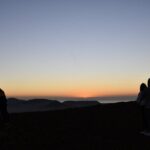
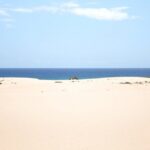
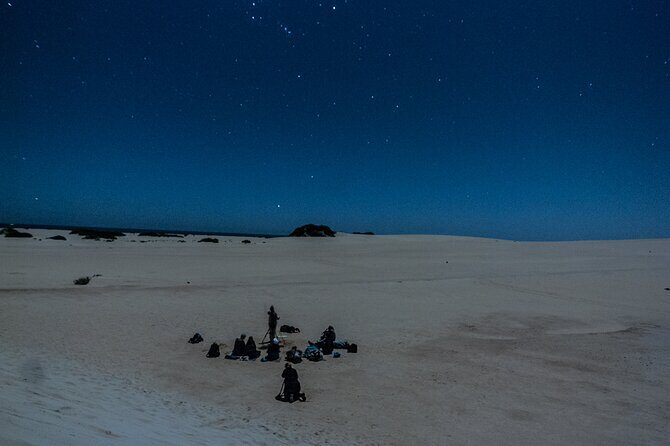
The Corralejo Dunes are the star of the whole show. You’re outside the main town lights, and you’re walking into a darker, calmer pocket where the sky feels bigger than your screen-sized expectations. Add in the sound of the ocean nearby, and the whole experience turns into something that feels both quiet and a little magical.
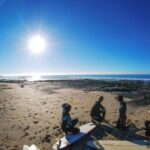
You’ll meet near Corralejo and then head to the observation spot. The walk is short, about 5 minutes, and it’s specifically over loose sand—easy, but not the thing you want to do in sneakers you love or if you’re dealing with mobility limits. Once you’re there, you settle down and stay put.
The dunes also give you a practical advantage: you’re in a place built for watching the sky from a stable viewing area. You’re not juggling moving targets or crowding around. Instead, you get time to adjust your eyes and actually notice stars you didn’t even know were there.
Other stargazing experiences in Fuerteventura
Your Starlight Guide: how you learn the sky in plain language
The heart of this experience is the Starlight Guide, accredited through the Canary Islands Astrophysics Institute. The guide’s job is to connect what’s overhead with something you can understand fast—basic astronomy without turning your evening into homework.
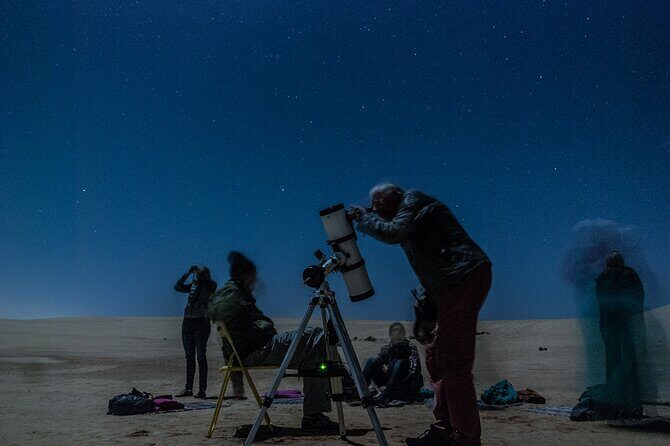
In real-world terms, you’ll get guided pointing and explanation using tools like laser pointers, then you’ll confirm what you were learning through telescope views. This matters because the night sky is not labeled. Without guidance, it’s easy to stare at a bunch of points and feel like you’re missing the story.
One name comes up again and again in the reviews: Karen. People describe her as friendly, organized, and energetic, with explanations that work even if you’re a first-timer. You’ll also hear facts tied to what’s visible that night, so you’re not just memorizing constellations—you’re learning how to find them.
The best part is pacing. The session runs around 1.5 to 2 hours, which is long enough to feel you’re doing something real, but not so long that you get restless in the cold.
What you might see: Milky Way, planets, and real telescope views
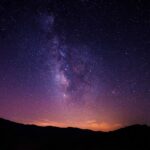
This is astronomy you can actually point at. Depending on the night’s conditions (cloud cover, visibility, and the moon phase), you may see bright features with your eyes first—then switch to telescopes to see more detail.
From the sightings people talk about, the highlights can include:
- The Milky Way visible in the dark (especially on moonless nights)
- Venus
- Polaris (the North Star)
- Mars
- The Moon rising
- Jupiter, including its moons, through the telescope
- Saturn, including its rings (when conditions cooperate)
A small but important detail: this is not a one-object-per-person type of tour. The guide keeps moving through the sky, explaining constellations and celestial objects in a way that helps you track what’s where. Even if you think you don’t care about star signs, you’ll still enjoy the “oh, that’s what I’m looking at” feeling.
Also, the experience tends to be especially satisfying when the sky clears. Some nights can start clouded and then improve. The format is designed for patience rather than rushing: you sit, you listen, and you watch for the moment when the view opens up.
Comfort setup: blankets, binoculars, and a slower kind of evening
This isn’t a “stand out in the wind for an hour” situation. Each person gets a rug and blanket, and that small comfort upgrade changes everything. When you’re stargazing, you’re basically doing one activity: staying still long enough for your brain (and your eyes) to adjust to darkness.
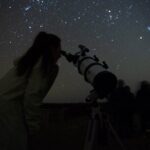
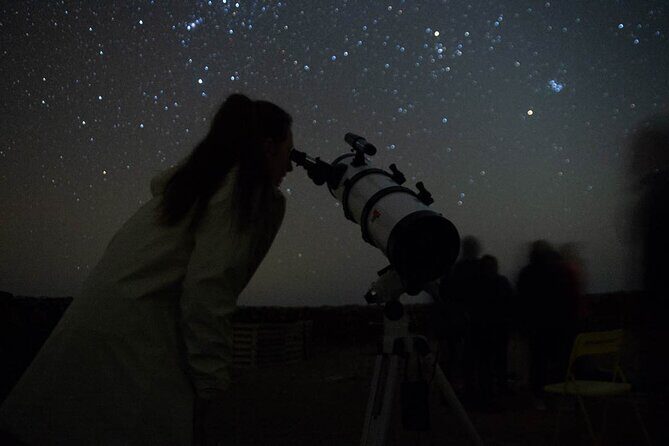
You’ll also get binoculars and access to professional telescopes. Binoculars help you cover more sky quickly, while telescopes let the guide show the details that make planets and star fields feel alive. This is the difference between seeing a planet as a dot and seeing features that look shockingly crisp.
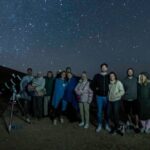
You’ll be photographed during the tour, and you’ll receive the image by link. It’s a thoughtful touch because it captures the thing you probably don’t want to rely on memory for: the Milky Way glow, or the moment when a planet pops into view at the telescope.
Timing and pickup around Corralejo: don’t show up early
Timing is part science, part logistics. The stargazing start is typically about 1 hour after sunset, and the listed meet times can be approximate (you might see 18:00 or 21:00 depending on the season). Your actual pickup time is confirmed by message the night before.
Pickup is offered, but only in a limited area. You can expect collection within a 5km radius of Corralejo. If your address isn’t listed, you add it manually. If you’re outside that radius, you’ll need to plan around the alternatives, since this observation isn’t set up for broad island-wide pickup.
Seasonally, the pickup window shifts:
- Summer: roughly 20:30 to 22:00
- Winter: roughly 17:00 to 20:00
This matters because you should plan for an evening that can start later than you expect. If you’re pairing this with dinner, pick something flexible. If clouds roll in, the team may switch nights, and your schedule should leave room.
Other Corralejo sand dune tours in Fuerteventura

Weather, full moons, and why your “best night” may change
Stargazing is weather math. The tour explicitly requires good weather, and that affects what happens in practice. If the experience is canceled due to poor weather, you’ll be offered a different date or a full refund.
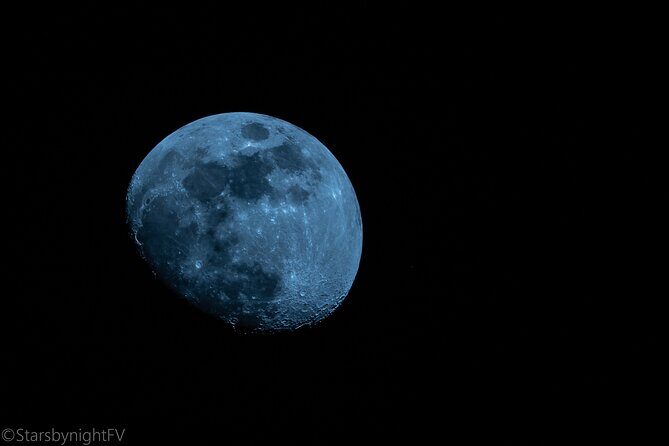
Moon phase is another real factor. Regular observations in Corralejo Dunes are typically Monday and Friday, and they’re usually skipped on full moon nights. That’s not a random rule; it’s about contrast. A bright moon washes out the faint details you came for, like the Milky Way and delicate star fields.
One more detail that makes the night feel smoother: communication. People highlight how clearly the guide communicates about weather changes and rescheduling when needed. So if you’re waiting for a confirmation message the night before, treat it as part of the experience. This isn’t a “hope for the best and suffer” kind of tour.
Who it’s best for: couples, families, and first-time stargazers
This is an easy yes for couples. You’re sitting close, wrapped up in a blanket, looking at the same sky without the stress of rushing between stops. It also works well for families, especially kids who get a kick out of seeing planets or spotting constellations with a guide’s help.
You’ll be in a small group (max 13), which helps the guide keep attention on what matters. For a first-timer, that’s huge. Nobody has to shout across a crowd. Questions are easier to manage, and the guide can keep moving through the sky at a pace that makes sense.
Language is English, and the explanations are designed to be clear even if you’re new to astronomy. If you’re the kind of person who likes learning facts but doesn’t want a lecture, this hits that balance.
For mobility concerns, the rules change a bit. This option in the dunes includes that short walk over loose sand, so it’s not recommended if walking is hard. The team offers alternative observation locations:
- Los Molinos for easier access (no extra walking implied)
- Pozo Negro if you’re south of Fuerteventura (no walking involved)
If mobility is a concern, don’t just book and hope. Message ahead so you pick the observation point that fits your needs.
Price vs value: what you’re paying for at $64.10
At $64.10 per person, you’re paying for more than “someone pointing at stars.” You’re paying for:
- An accredited Starlight Guide (Canary Islands Astrophysics Institute)
- Professional telescopes plus binoculars
- The comfort kit: rug and blanket for each person
- A tour photo shared via link
- A small group size (max 13), which keeps the experience personal
When you compare that to generic “night walks with a guide,” the telescope piece and accredited astronomy guidance are what justify the cost. You’re not just learning words; you’re seeing objects with the instruments that make those objects clearer and more impressive.
Also, the experience length (about 2 hours) is right for an evening add-on. It’s long enough to get real viewing time, but short enough that you’re not sacrificing your entire night.
Quick practical tips so your night goes smoothly
You’ll be sitting still in the dunes, so think comfort and temperature. Reviews mention it can get chilly, even when the day felt fine. Bring warm layers, and consider shoes you don’t mind walking briefly on sand.
If you’re planning around your schedule, remember:
- Pickup time is seasonal and confirmed the night before
- The start time listed online may be approximate
- Weather can shift plans, and that’s part of how stargazing works
If your goal is the Milky Way, prioritize moonless conditions when dates are offered. The full moon skip is a clue. It’s not a technical detail for nerds only—it’s your best chance at a truly bright star band across the sky.
Should you book Stargazing from Dunes of Corralejo?
I think you should book it if you want a guided astronomy night that still feels relaxed and real. The combination of dunes setting, small group size, and an accredited Starlight Guide makes it a strong value for the money. You’re also getting the comfort setup (rug and blanket), plus real telescope viewing, which is where most stargazing trips either wow you or disappoint you.
You might want to skip or choose an alternative if mobility is an issue and walking the dunes won’t work for you. In that case, pick the easier-access observation option before committing.
If your ideal evening includes learning a few things, then looking up and seeing planets and the Milky Way with your own eyes, this is a very solid pick for Fuerteventura.
FAQ
How long is the stargazing session?
It runs for about 2 hours on average, with the experience lasting roughly 1.5 to 2 hours.
Is pickup included, and where does it operate?
Pickup is offered only within a 5km radius of Corralejo. The activity does not collect from south of the island areas like Costa Calma, Jandia, Sotavento, or from other listed areas including Caleta and Puerto Rosario for this observation.
What’s included for viewing?
You’ll have binoculars and professional telescopes, plus a rug and blanket provided for each person. The Starlight Guide is accredited by the Canary Islands Astrophysics Institute, and you’ll be photographed during the tour with the image shared via link.
What time does the tour start?
Meeting times vary by season and are usually about 1 hour after sunset. Your actual pickup time is confirmed by message the night before and falls within seasonal windows.
What happens if the weather is bad?
This experience requires good weather. If it’s canceled due to poor weather, you’ll be offered a different date or a full refund.
Is it suitable for people with mobility concerns?
It is not recommended for people with mobility issues because there is walking on loose dune sand for about 5 minutes. The operator offers easier-access observation options like Los Molinos, and Pozo Negro if you are south of Fuerteventura, with no walking involved.