REVIEW · FUERTEVENTURA
Fuerteventura: Guided Stargazing Calderón Hondo Volcano Tour
Book on GetYourGuide →Operated by Volcano Roads · Bookable on GetYourGuide
Milky Way from a volcano at night. On Fuerteventura, this Calderón Hondo stargazing tour mixes geology, folklore, and a very real climb to the crater edge. Once dark hits, you’re treated to a night-sky show with the Milky Way as the main event, plus a guide who connects the dots between fire, the sky, and local tradition.
I really like the way the tour uses place as the lesson. You start on volcanic ground that’s shaped over millions of years, then you get astronomy basics and star-watching right from inside an active crater. One thing to consider: the walk is rocky and there’s some height exposure, so it’s not a great match for people who hate uneven footing or heights.
In This Review
- Key Things That Make This Tour Worth Your Time
- Calderón Hondo: The Star Spot That Changes How You See Fuerteventura
- The 3-Hour Plan: From Repsol h2go to the Crater Edge and Back Down
- 1) Meet up and get ready for the night
- 2) Climb toward the crater edge for views
- 3) Stargazing inside the crater
- 4) Head back before you freeze
- What You’ll Learn: Volcano Geology Meets Fire-and-Sky Folklore
- Stargazing From Inside an Active Crater: Clear Sky vs Cloudy Reality
- Gear and Comfort: What to Bring for a Windy, Rocky Night
- Price and Value: Is $53 Worth It?
- Who Should Book This Tour (and Who Should Skip It)
- Final Call: Should You Book Calderón Hondo Stargazing?
- FAQ
- Where do I meet for the tour?
- Is pickup included from Corralejo, El Cotillo, and Puerto de El Rosario?
- What’s included in the price?
- Do I need to bring food?
- How long is the experience?
- What should I wear or bring?
- What if the stars aren’t visible due to weather?
- Can I cancel or change my plans?
- What languages are available for the guide?
Key Things That Make This Tour Worth Your Time
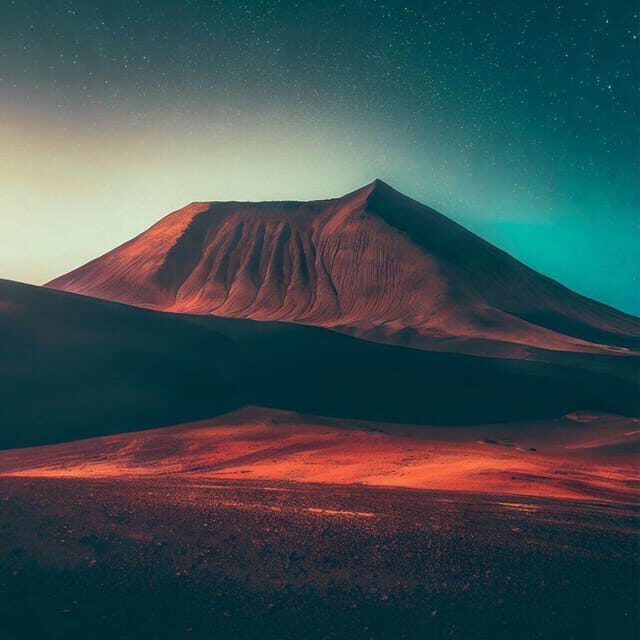
- Calderón Hondo crater stargazing: you’re watching the sky from the inside of a volcanic bowl
- Panoramic crater-edge views: you get sightlines toward Lajares, Corralejo dunes, and Lanzarote (when visibility is good)
- Fire + sky culture storytelling: you’ll hear how local tradition links volcanoes and celestial patterns
- Headlamps and water included: small comforts that matter on a night walk
- The guide’s energy can make cloudy nights better: you’ll still get learning and star time even if conditions aren’t perfect
Calderón Hondo: The Star Spot That Changes How You See Fuerteventura
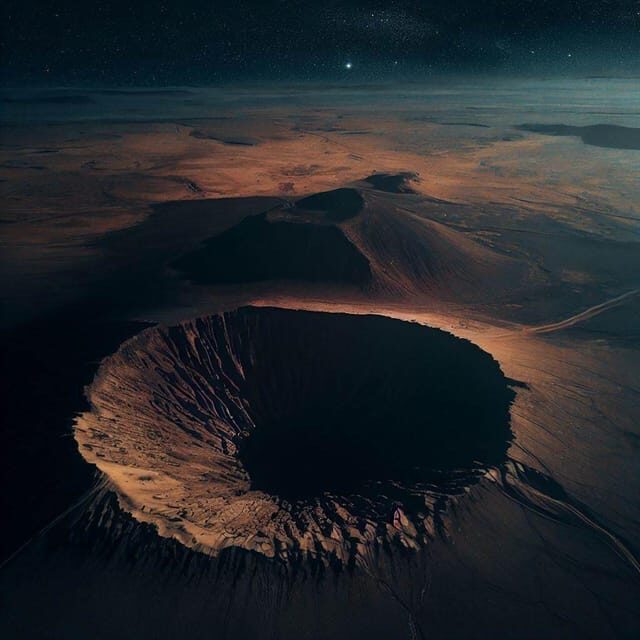
Fuerteventura isn’t just beaches and sunshine. This tour gives you a different side of the island: volcanic history and a sky that feels close enough to touch. The setting matters. When you’re looking at constellations from the crater of the last active volcano on the island, it stops being generic stargazing and starts feeling like you’re part of the landscape’s story.
What I like most about the concept is the pairing. You don’t only chase a pretty sky photo. You also get the “why” behind what you’re seeing: how volcanic terrain shaped the island, and how native-style folklore places meaning on fire and the heavens. That mix is the reason people come away talking about more than stars.
There’s also a practical angle. At 3 hours, you’re not committing to an all-night schedule. It’s short enough to fit into most itineraries, but long enough for a real crater walk, sunset-to-dark timing, and actual star identification.
If you're still narrowing it down, here are other tours in Fuerteventura we've reviewed.


The 3-Hour Plan: From Repsol h2go to the Crater Edge and Back Down
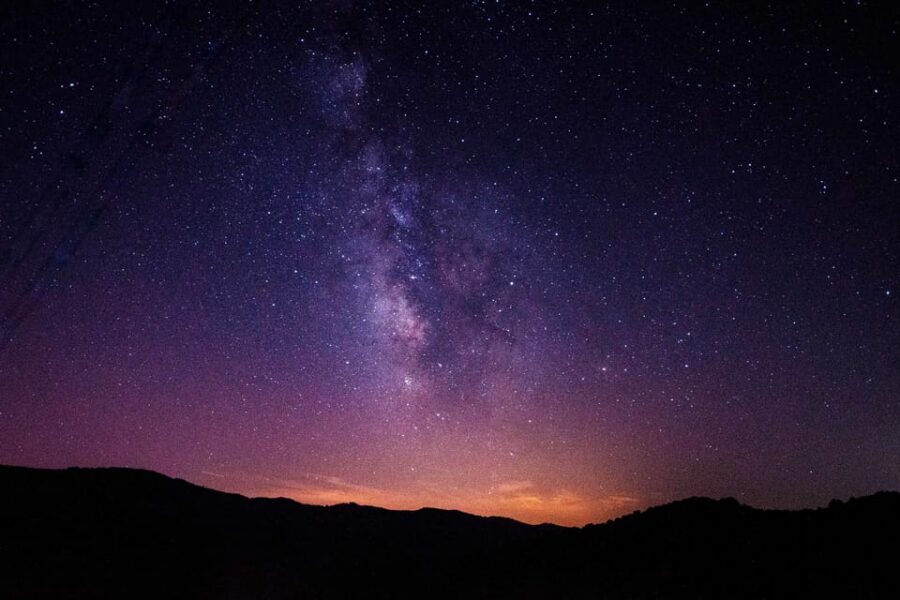
This tour runs for about 3 hours, and the exact timing can shift depending on where you’re picked up from. The activity starts after you meet at the Repsol h2go service station (that’s your baseline meeting point). If you select the option with transfer, you’ll also have pickup and drop-off by bus from Corralejo, El Cotillo, and Puerto de El Rosario.
Here’s the rhythm you should expect, in plain language:
1) Meet up and get ready for the night
You’ll gather at the meeting point and then head toward the volcano area. Since it’s nighttime-focused, the early part of your trip isn’t about sprinting to the best view. It’s about getting your head in the right place—comfortable shoes on, jacket ready, and your guide setting expectations about what you can realistically see in the sky.
One helpful detail: headlights are included. That’s not just convenience. It helps you move safely over uneven, rocky ground without fumbling with your phone every two minutes.
2) Climb toward the crater edge for views
At Calderón Hondo, you climb to the edge of the crater. Before full darkness takes over, you’ll get panoramic views that include the town of Lajares, the dunes of Corralejo, and Lanzarote in the distance. The timing here is smart. Even if the stars are slightly disappointing later, the crater-edge moment still gives you a strong “you’re here” payoff.
Just know the walking part is real. Several participants flagged that the route is rocky. If you’re used to sandy paths, treat this as a night hike on volcanic rock, not a casual stroll.
3) Stargazing inside the crater
After sunset, the group moves into a flatter area for star watching from inside the crater. This is where the tour feels most special. You’re not standing on a random viewpoint; you’re in an active-volcano setting, with a dark, open bowl overhead.
The guide uses tools to help you connect what you see with what you learn—so the night sky becomes understandable. Expect constellation explanations, and chances to spot planets and the Milky Way if conditions cooperate. One extra perk from participant feedback: some nights include a telescope moment for a look at the Moon, when it’s possible.
Other volcano tours and crater hikes in Fuerteventura
4) Head back before you freeze
Once you’ve had your crater-and-stars time, the tour ends and you return to the drop-off area or your accommodation (when transfer is selected). Even though the tour is only 3 hours, it’s still a nighttime outing. You’ll feel it more than a daytime activity.
What You’ll Learn: Volcano Geology Meets Fire-and-Sky Folklore
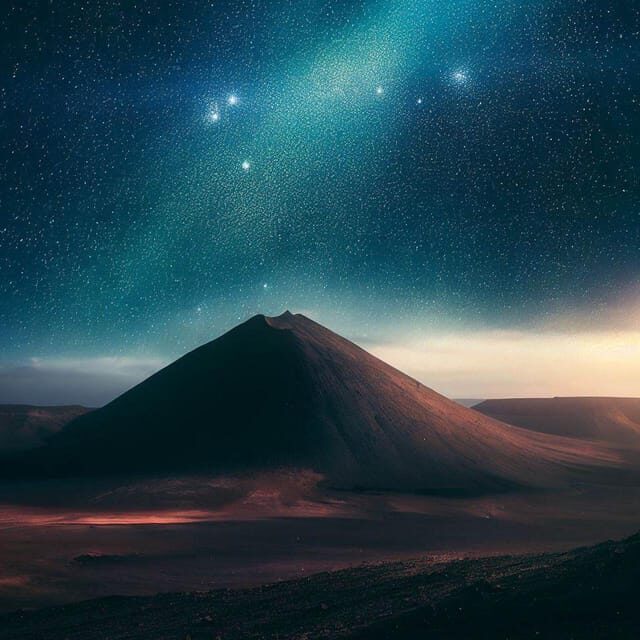
This is not just a “point and name” astronomy session. The guide connects the volcano to culture. You’ll learn about the Calderón Hondo volcano itself, and then you’ll get stories tied to why the local tradition centers ideas of fire and the sky.
That matters because it changes how you listen. Instead of memorizing facts for five minutes and forgetting them, you start noticing patterns: how volcanic activity shaped landforms, why certain sky events likely mattered for seasons and timing, and how mythology turned observation into meaning.
On the practical astronomy side, you can expect help finding constellations, planets, and the Milky Way. Some nights include standout planet sightings such as Saturn and Jupiter, and at least occasionally, the Moon through a telescope. But the real win is how you’re guided to locate things with a laser pointer and a sky app on a tablet.
Stargazing From Inside an Active Crater: Clear Sky vs Cloudy Reality
Here’s the honest truth you should plan for: the sky controls what you see. This tour specifically warns that no refunds are given if stars aren’t visible due to weather. That’s not a bait-and-switch. It’s the cost of stargazing in real nature.
If the night is clear, you’re in for the full experience: a strong Milky Way view and multiple constellations. People also noted visible bright stars and sometimes “wow” moments like satellites. One participant mentioned seeing the Milky Way with the naked eye, which is exactly what you’re hoping for.
If clouds roll in, you still shouldn’t feel like you paid for nothing. The tour is built around multiple phases: crater views, then star explanations, then spotting opportunities when breaks in cloud cover happen. Several accounts described the guide keeping the group upbeat and maximizing the time window when visibility improved.
My practical advice: pick a night when the sky has the best chance of clearing, and keep your expectations flexible. Even a partial clear sky can produce meaningful results—especially with a guide who knows how to switch plans fast.
Gear and Comfort: What to Bring for a Windy, Rocky Night
This tour is short, but you’re out at night and you’re moving over uneven ground. Bring the basics seriously.
Bring:
- Comfortable shoes (closed-toe)
- A jacket (night air can be chilly, and it may be windy)
- Closed-toe shoes you’re okay getting dusty or slightly scraped by volcanic rock
The included water helps you stay focused on the sky instead of thinking about thirst.
Also, plan for the possibility of needing your personal comfort items. If you get cold easily, wear layers. If you have any balance issues, wear shoes with real grip. The rocky ground issue came up more than once.
Price and Value: Is $53 Worth It?
At $53 per person for about 3 hours, this is priced like an experience with real guiding, night equipment, and a specialized location. You’re paying for more than transportation.
Here’s what you get for that price:
- Guided tour
- Headlights
- Water
- Optionally, pickup and drop-off by bus from Corralejo, El Cotillo, and Puerto de El Rosario (if you select transfer)
What’s not included:
- Food
So the value depends on how you travel. If you’re coming from farther away, the transfer option can be worth it because night driving and finding the exact meeting logistics can be stressful. If you already have a rental car and you’re comfortable driving near the volcano area, you may save on transport. Either way, you’re still paying for the guide-led astronomy and the crater setting, which is hard to replicate on your own without the right timing and knowledge.
My take: this price makes sense if you want a guided “learn what you’re seeing” night, not just a casual wander under stars.
Who Should Book This Tour (and Who Should Skip It)
This experience fits best if you:
- Want a guided connection between astronomy + volcano geology + local sky tradition
- Like the idea of walking to a crater edge and then switching into star-watching mode
- Can handle a night hike over rocky terrain
It’s not suitable for:
- People afraid of heights
- People over 65
- Cruise ship guests
- Babies under 1 year
If mobility is limited, consider this carefully. The route involves a rocky climb, and that matters at night when you can’t see every step easily.
Final Call: Should You Book Calderón Hondo Stargazing?
Book it if you want one of the more memorable ways to experience Fuerteventura beyond the usual day activities. The combination is the selling point: crater views, then guided astronomy from a dramatic volcanic setting, with extra storytelling that gives meaning to fire and the sky.
Skip or reconsider if you hate uneven ground, you feel uncomfortable with heights, or you’d be upset if the sky turns cloudy. Weather is part of the deal here, and the tour is clear that stars can’t be guaranteed.
If you go, do two things: wear grippy shoes and dress for wind and cold. Then arrive with a flexible mindset. When the clouds cooperate, this tour can turn into a night you remember for years.
FAQ
Where do I meet for the tour?
You meet at the Repsol h2go service station.
Is pickup included from Corralejo, El Cotillo, and Puerto de El Rosario?
Pickup and drop-off by bus are included only if you select the option with transfer. Otherwise, you’ll use the meeting point.
What’s included in the price?
The tour includes a guided tour, water, and headlights. Transfer pickup and drop-off are included only when you choose the transfer option.
Do I need to bring food?
Food is not included, so plan to eat before or after the tour.
How long is the experience?
The tour lasts about 3 hours (the duration may vary depending on your location).
What should I wear or bring?
Bring comfortable closed-toe shoes and a jacket. You’ll also want to be ready for cooler, windy night conditions.
What if the stars aren’t visible due to weather?
The tour notes that refunds aren’t given if stars aren’t visible because of weather. You can still get the guided experience even when visibility is limited.
Can I cancel or change my plans?
Yes. There is free cancellation up to 24 hours in advance for a full refund.
What languages are available for the guide?
The live tour guide is available in English, Italian, and Spanish.