REVIEW · FUERTEVENTURA
Fuerteventura: Kitesurfing beginner course
Book on GetYourGuide →Operated by Siel · Bookable on GetYourGuide
Learn to fly the kite without chaos. This Fuerteventura beginner course keeps things focused, with small instructor ratios and radio contact so you can concentrate on control from the beach to the water.
I also love the teaching style and progression: first wind and safety, then kite control on land, then drills in the water like body drag, and finally first waterstarts. You’ll see instructors such as Edu, Edo, and Andy coaching in English, and the vibe is patient and practical—great when you’re starting from zero. One consideration: this is genuinely challenging work in the water, so you should be ready to work through nerves and physical effort.
In This Review
- Key highlights you’ll care about
- Why Fuerteventura fits your first kite lessons
- The 3-day beginner path: from beach basics to open water
- Safety that feels real: radios, boat support, and coaching limits
- Day-by-day breakdown (what you’ll actually be doing)
- Day 1: wind theory and kite control on land
- Day 2: body drag practice, building water control
- Day 3: first waterstarts and open-water fun
- The meeting points and what that means for your day
- Gear, radios, and boat support: what’s included
- Instructors: what their coaching style should feel like
- Price and value: how $452 makes sense (if you start from zero)
- Who should take this course (and who should skip it)
- Practical tips to get more out of your three days
- Should you book this beginner kitesurfing course in Fuerteventura?
- FAQ
- Is the course suitable for complete beginners?
- What languages are the instructors?
- How big is the group?
- What equipment is provided?
- Where do we meet for the lessons?
- Is boat support included?
- What should I bring?
- Can I cancel and get a refund?
Key highlights you’ll care about
- Small group setup (up to 5) keeps the pace calm and the coaching personal.
- Max 2 people per instructor means you’re not stuck waiting while others catch up.
- Radio system in the water helps you stay connected to your instructor at critical moments.
- Beach-to-water progression starts with wind theory and ends with first waterstarts.
- Boat support for lessons adds safety and makes the open-water practice more structured.
- Uncrowded learning approach aims to give you a safe space to make mistakes and improve.
Why Fuerteventura fits your first kite lessons
Fuerteventura is one of those places where learning kitesurfing makes sense. You’re not just chasing views—you’re chasing conditions that let a beginner course move at a real pace. The program is built around getting you comfortable with wind and kite handling, then translating that into safe movement on the water.
What’s smart here is the course design: you’re not thrown into random “go try it” sessions. You learn the logic first—what the wind is doing, how the kite behaves, and what safety rules keep you and other people out of trouble. When you get to the water, you already understand the kite’s basic behavior, so progress feels faster and less scary.
Other kitesurfing and windsurfing courses in Fuerteventura
The 3-day beginner path: from beach basics to open water
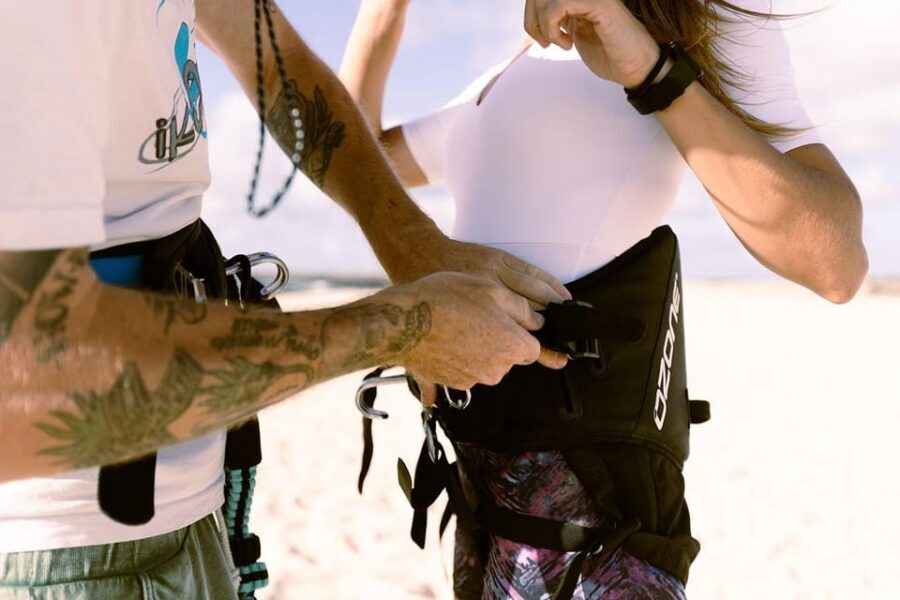
This is a true beginner course. You start with theory on the beach about wind, safety, the wind window, and how the kite flies. Then you shift to land practice so your hands and body start building the right habits before you ever put a board on your feet.
Once your kite control looks solid on land, you move into the water drills. The first water part focuses on body dragging in different directions—left, right, downwind, and upwind. Only after that foundation feels steady do you try the board and work toward first waterstarts.
One of the most encouraging parts of the structure is that the course doesn’t waste time. The rhythm is: control the kite first, then control your movement, then combine both. That sequence is what turns kitesurfing from an idea into a skill.
Safety that feels real: radios, boat support, and coaching limits
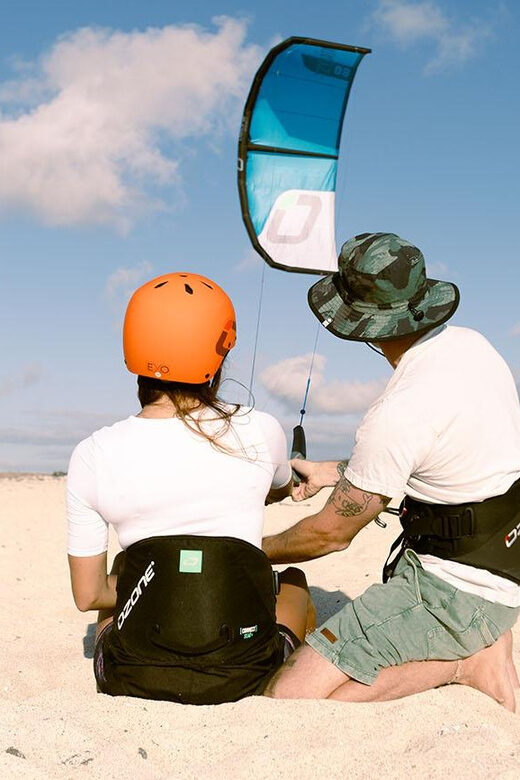
Kitesurfing has a steep learning curve. The best beginner courses don’t just say they’re safe—they design the day so safety is actively managed.
Here that shows up in a few clear ways:
- Radios in the water: your instructor can stay connected while you’re learning. That matters because beginners can’t always tell what the kite is doing or what the right next step is. Quick guidance helps you correct errors sooner.
- Boat support for water lessons: you’re not practicing in isolation. A boat helps support the session, which adds a layer of confidence when you’re learning new positions and skills.
- Tight small-group numbers: the course limits group size to 5 participants and keeps it to max 2 people per instructor. That ratio changes everything. You get attention when you need it, not only after the session ends.
Is the environment still active? Yes, because kitesurfing is active. But the lesson structure reduces chaos, and that keeps you learning instead of just surviving.
Day-by-day breakdown (what you’ll actually be doing)
Even if the exact start times vary, the flow is consistent: a beach-focused start, then more water time, then open-water practice by day three.
Day 1: wind theory and kite control on land
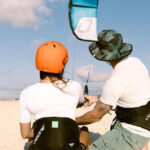
Day one starts with the foundations. You’ll learn wind basics, wind window concepts, and safety rules. Then you practice flying the kite on land until you can control it confidently enough to move forward.
This is where beginners often feel the biggest shift. The goal isn’t perfection on day one. It’s understanding the kite’s power and how steering input changes what happens above you.
You’ll also get hands-on coaching that keeps your learning grounded. It’s not just talking. You’re repeatedly trying the motions and getting corrections.




Day 2: body drag practice, building water control
By day two, you’re moving into the water with structured drills. The focus is body drag in multiple directions: left, right, downwind, and upwind.
This part is more important than it sounds. Body drag teaches you how to handle the kite while your body position changes. It also helps you learn the relationship between kite pull and where you’re being moved in the water. If you skip this step (or rush it), board days tend to feel like guesswork.
Expect the sessions to feel technical but not random. You’re training control, not just momentum.
Day 3: first waterstarts and open-water fun
Day three is where it clicks. Once you’ve got solid control from the body drag work, you put the board on your feet and begin your first waterstarts.
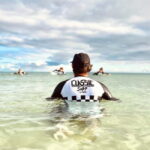
Open water practice is where the course starts to feel like the kitesurfing you imagined. It’s challenging, but the momentum from your earlier drills helps you keep going when it gets tricky.
If you’re nervous about day three, that’s normal. The course earns this day with real foundations first, and that’s why many first-timers end the program more confident than they expected.
The meeting points and what that means for your day
You’ll either meet at the beach or at Corralejo’s harbor, depending on the lesson setup. Details are handled by phone, so you’ll know where to show up for each segment.
Why this matters: beach vs. harbor setups can affect how your day feels. A harbor meeting can signal more of a “support and transport” style session, while a beach meeting often feels more “start right where you’ll learn.” Either way, the key point is that the course is organized so you’re not wandering around trying to figure out what’s happening.
Bring a calm attitude and be ready to adapt to the day’s plan. That helps you relax into learning.
Gear, radios, and boat support: what’s included
The course includes your gears, so you’re not trying to source equipment before you even know what sizes or setups you’ll need. That’s a big value point for beginners.
You also get:
- water lessons with boat support
- radios to stay connected with your instructor
What you should bring is simple: sunscreen and water. Kitesurfing is a sun sport even when you don’t feel hot, and you’ll be out for long stretches while you practice.
Also note what’s not allowed: alcohol and drugs. That’s standard for good reason, especially with an active safety environment on the water.
Instructors: what their coaching style should feel like
You’ll learn with instructors who teach in English, Italian, and Spanish. That’s useful if you want to understand safety details clearly, not just “get the gist.”
From the way the course is described and taught, the coaching emphasis is on:
- clear explanations of kite principles
- constant help as skills develop
- positive, practical feedback that helps you understand what to change
You may work with instructors such as Edu, Edo, or Andy, and their common thread is careful instruction. For a beginner, that matters because the fastest progress usually comes from correcting the right things early—grip, stance, kite inputs, and safety habits.
If you’re worried you’ll struggle to understand technical talk, this course is built to keep language accessible and explanations straightforward.
Price and value: how $452 makes sense (if you start from zero)
At $452 per person for 3 days, the headline number is only part of the story. The better question is: what are you paying for?
Here’s what drives the value:
- Gear included, which reduces setup costs and reduces decision stress.
- Small group limits (up to 5, and max 2 per instructor), which is where high-quality coaching usually lives.
- Boat support and a radio system during water lessons, both of which cost money and improve safety.
- A complete learning sequence from zero to your first waterstarts.
If you’ve ever looked at stand-alone lessons, it’s easy to end up with expensive “one-hour tries” that don’t build consistent skills. This course is designed to stack learning days: control first, then body drag, then board starts. For many beginners, that’s how you get real value instead of just collecting attempts.
If budget is tight, this is the kind of course where paying for structure usually beats paying for uncertainty.
Who should take this course (and who should skip it)
This program is best for:
- true beginners who want a step-by-step pathway
- people who learn best with close coaching and clear progression
- anyone who wants a safety-first approach, not a chaotic scramble
It’s not suitable for:
- pregnant women
- children under 12
You should also consider physical readiness. Even without advanced skills, you’ll be working in water and repeating drills. If you’re dealing with limitations, you may want to check with the provider before booking.
Practical tips to get more out of your three days
You’ll have the best experience if you treat the course like skill training, not like a thrill ride.
A few helpful moves:
- Arrive rested. Your learning improves when your body isn’t tired before the session starts.
- Pay attention to kite control cues. Most early mistakes come from misunderstandings about kite position and the wind window.
- Be honest about what feels off. Use the radio system guidance and ask questions when something doesn’t make sense.
- Take sunscreen seriously. You’ll be working outdoors and often not noticing how long you’ve been exposed.
And yes, it’s fun. But the fun grows because the instruction is structured.
Should you book this beginner kitesurfing course in Fuerteventura?
I’d book it if you want a beginner course that’s built for real learning: small groups, radio safety, and a logical progression from wind theory to body drag to first waterstarts. At $452 for three days with gear and structured coaching, it’s a sensible value for anyone starting from zero and wanting to avoid random trial-and-error.
I wouldn’t book it if you’re looking for a super casual, no-effort experience. This is water time, practice time, and skill-building. If that sounds like what you want, you’ll likely enjoy how quickly things start to click.
FAQ
Is the course suitable for complete beginners?
Yes. The beginner course is designed to start from zero, beginning with wind and safety theory on the beach, then kite control on land, and finally water skills.
What languages are the instructors?
The instruction is available in English, Italian, and Spanish.
How big is the group?
The course is limited to a small group, with a maximum of 5 participants, and a maximum of 2 people per instructor.
What equipment is provided?
Gear is included, along with radios for communication during the water lessons.
Where do we meet for the lessons?
The meeting point depends on the lesson type. You’ll meet either at the beach or at Corralejo’s harbor, and the details are discussed by phone.
Is boat support included?
Yes. The water lessons include support with a boat.
What should I bring?
Bring sunscreen and water.
Can I cancel and get a refund?
Yes. You can cancel up to 24 hours in advance for a full refund.