REVIEW · FUERTEVENTURA
Fuerteventura: Montaña Escanfraga Volcano Summit Hike
Book on GetYourGuide →Operated by NaTOURal Adventure · Bookable on GetYourGuide
A volcano crater hike beats any beach day. This guided trek to Montaña Escanfraga (the highest volcano on Fuerteventura) has two things I really like: a small group feel and the chance to walk inside the crater, not just stand on it. The main drawback to weigh is that this climb demands solid hiking shoes and it is not suitable for people with impaired mobility, pregnant women, or kids under 10.
You start at the base and work your way up on the serpentine route locals refer to as the camel route, then push toward the rim for wide-open views. Along the way, your guide shares how elders used rain on the volcano slopes to grow grains, plus details about geology and plants—plus the pace stays manageable with a walking stick included.
In This Review
- Key highlights you’ll remember
- Montaña Escanfraga on Fuerteventura: why this hike feels special
- Pickup zones and the 5-hour rhythm: what your day will look like
- Starting at the crater base: the calm setup before the climb
- The camel route climb: where good shoes change everything
- Inside the huge crater: the moment the volcano comes alive
- Reaching the crater rim and the highest point: views that feel earned
- The guide experience: Alfredo, Damiano, and the kind of stories that stick
- What you’ll want to pack (and what you can skip)
- Price and value: is $63 per person fair?
- Who should book this volcano summit hike—and who shouldn’t
- Should you book the Montaña Escanfraga summit hike?
- FAQ
- Where is pickup included for this tour?
- How long is the hike?
- What group size should I expect?
- What languages are the live guides?
- Is food or drinks included?
- What should I bring?
- Is this hike suitable for children?
- Is it suitable for pregnant women or people with impaired mobility?
Key highlights you’ll remember
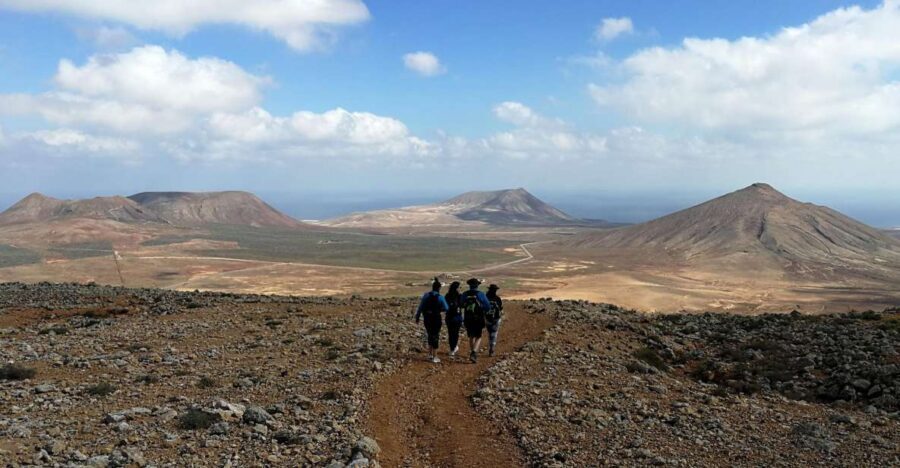
- Highest point pay-off: summit views across Fuerteventura after a steady climb to the top.
- Camel route up, rim back: a serpentine path that gets you to the crater edge.
- Walk inside a huge crater: not just an outside viewpoint, you’ll be inside the volcanic bowl.
- Small-group hiking with real attention: limited to 8 participants for a calmer experience.
- Guides who connect the dots: geology, plants, and traditional ways of life explained on the move.
- Photo time at the top: you’ll have breaks to take pictures and just look.
Montaña Escanfraga on Fuerteventura: why this hike feels special
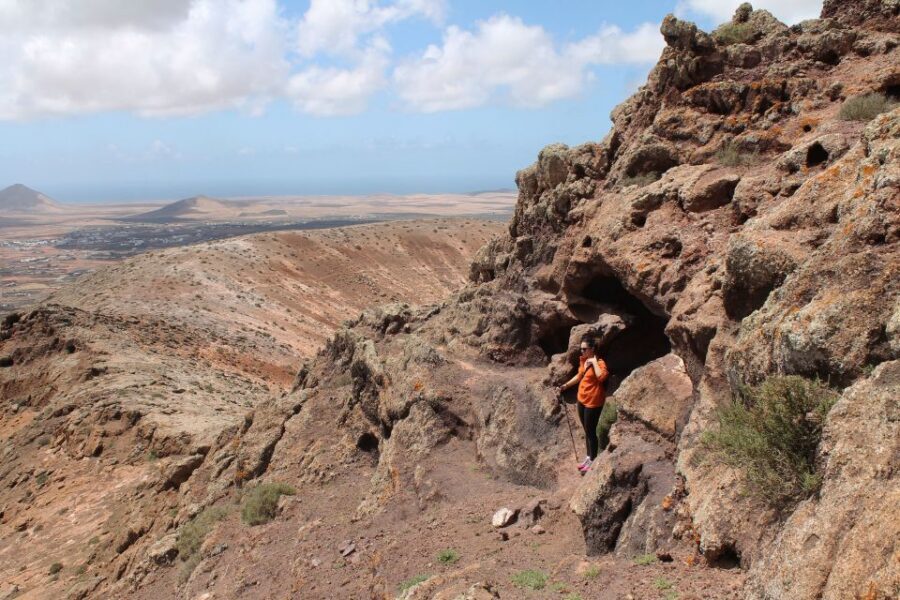
Fuerteventura is known for sun and wide coastlines, but it also has an honest, raw volcanic side. Montaña Escanfraga is the island’s highest volcano, and the tour’s big value is that you experience the mountain as a place to move through—not a stop you quickly photograph and leave.
The crater itself is the headline. A crater walk changes how you understand the volcano. Instead of looking at rock from above, you feel the bowl shape underfoot and you get that sense of scale that only shows up when you’re inside.
The small-group format matters more than it sounds. When the group is limited to 8, the guide can actually adjust the pace, keep an eye on footing, and offer help during the steeper moments. In the real world, that’s what keeps a challenging hike enjoyable instead of stressful.
And yes, you’ll get views. You’re hiking for the top, but you also earn it: as the route climbs, the horizon opens up in stages, so your best photos aren’t just one moment—they build.
Other volcano tours and crater hikes in Fuerteventura
Pickup zones and the 5-hour rhythm: what your day will look like
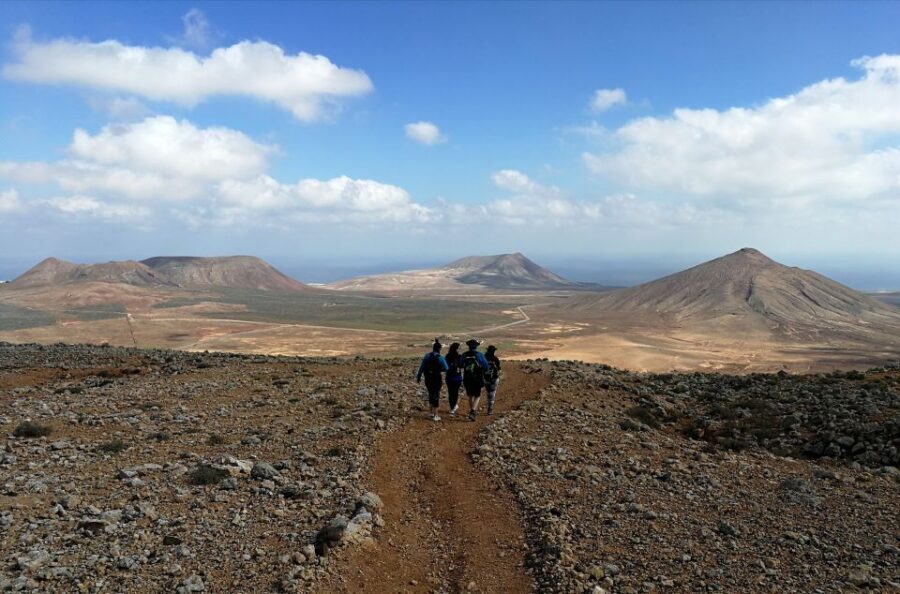
This is a 5-hour tour. That duration is a sweet spot for a summit hike: long enough to feel like you did something meaningful, but not so long that you burn the whole day.
Pickup is included from hotels in Caleta de Fuste, Puerto del Rosario, Corralejo, and El Cotillo. You’ll want to be ready about 5 minutes before your scheduled time, since the guide will come for you at the start of the hike and you’ll be returned to your accommodation at the end.
One practical note: food and drinks are not included. Your “5 hours” is walking and viewing time, not a meal break, so plan to bring water (you’re told to) and expect to handle snacks on your own if you need them.
If you’re staying outside the pickup areas—like Costa Calma or Morro Jable—this specific pickup is not included. That doesn’t mean you can’t do the experience, but you’ll need to arrange your own way to the start.
Timing tip: bring sunglasses and plan for sun exposure. The terrain is volcanic and exposed, and the hike starts at the crater base and moves upward on a serpentine route. You’ll feel the light and the glare before you feel exhaustion.
Starting at the crater base: the calm setup before the climb
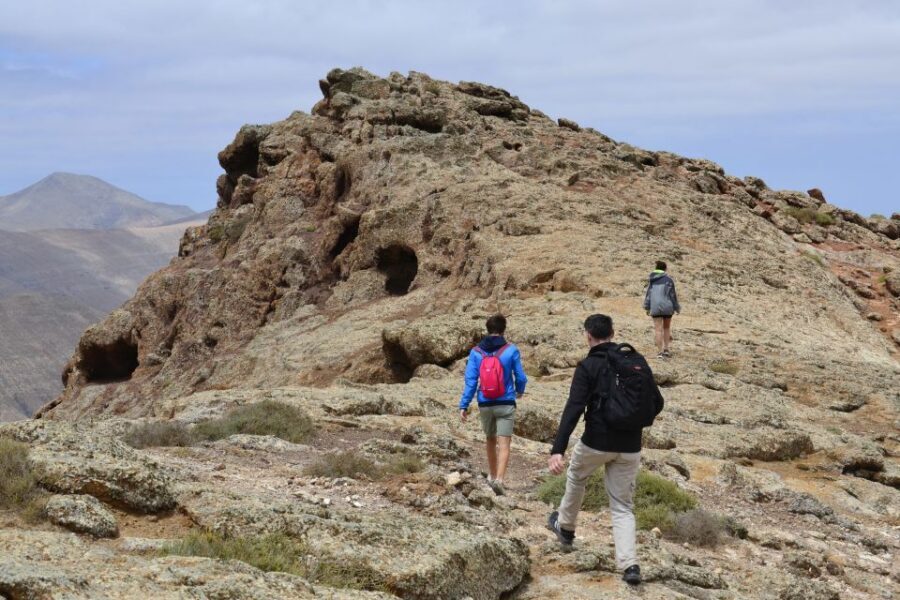
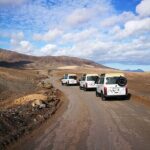
Your day begins with collection from your hotel area, then you’re taken to the starting point at the volcano. The hike starts right at the base of the crater, which is important. You’re not warming up on a gentle flat path for ages; you’re heading into the climb from the start.
From there, the route winds upward in a serpentine shape—the “camel route.” This is the kind of path that makes a difference between a good hike and a miserable one. The switchbacks and winding line reduce how steep it feels compared to a straight ascent, but it still adds up.
This is also where you’ll appreciate two things included with the tour:
- A walking stick, which helps with balance on uneven volcanic ground.
- A real guide, who can manage the flow of the group so everyone isn’t sprinting ahead on the first half.
You’ll also get your first taste of what makes these guided hikes more than exercise. Your guide explains how elders used this volcanic environment to survive, including using rain to grow grains. That kind of story makes the mountain more than scenery.
The camel route climb: where good shoes change everything
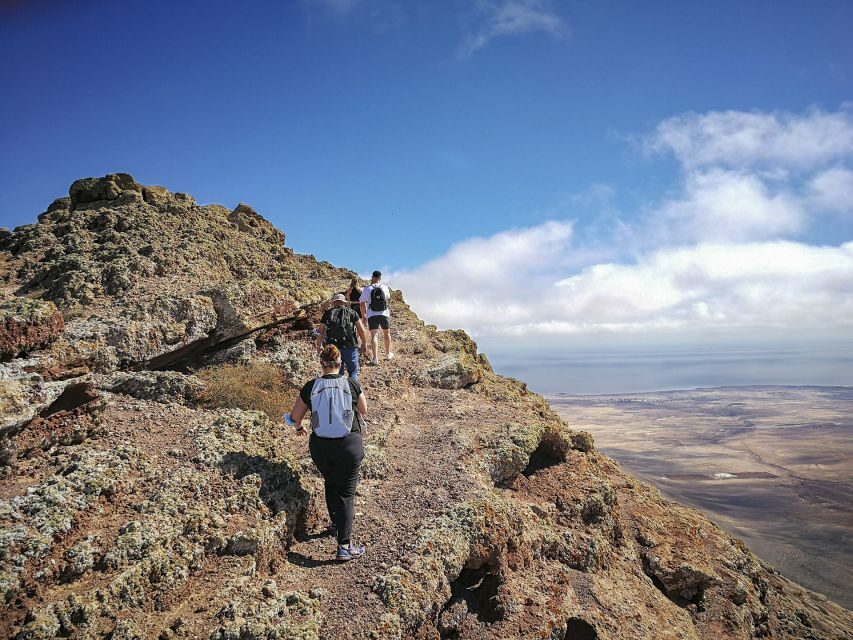
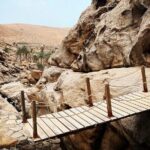
The “camel route” is not a walk in the park. It’s a hike up toward the crater edge with changes in footing and a steady incline. That means your shoes matter as much as your stamina.
You’re specifically advised to wear hiking shoes and bring sunscreen and water. The reason is simple: grip and traction. Reviews tied to this hike strongly emphasize that you really need good grip, especially during the harder parts. If you show up in worn sneakers, you’ll feel it.
What I like about the way this tour handles the climb is that the guide doesn’t treat the group as one single pace. The experience is described as caring and watchful, with help offered on the more demanding sections. That kind of support makes you feel safer when the path gets steep or uneven.
Pace also tends to be relaxed with time for pictures. On a summit hike, that’s the difference between racing to the top and actually enjoying the journey. You’ll want those photo stops because the views expand as you climb.
Inside the huge crater: the moment the volcano comes alive
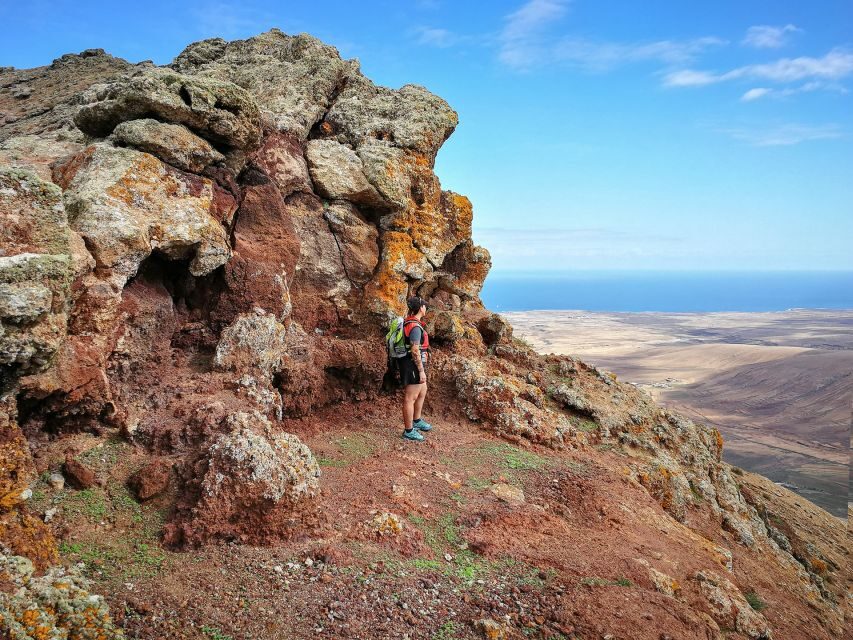
A lot of volcanic hikes give you a top viewpoint. This one gives you something extra: you walk inside a huge crater. That changes the whole feel of the hike.
Inside the crater, you’re surrounded by volcanic forms and the terrain can feel more enclosed. It’s the moment you get the “this is a bowl” understanding in your bones, not your head. It also tends to be a fantastic place for photos because light hits the rocks differently than it does on the rim.
You’ll also hear explanations along the way. Your guide talks about the geology and plants you pass, and if you’re curious you’ll likely get more details than you expected. For example, one guide was credited with pointing out fossil eggs lying just underfoot—those are the kinds of small discoveries you’d almost certainly miss without a trained eye.
When you’re inside, slow down a touch. Take in how the ground changes. And if you’re trying to get a sharp photo, keep in mind the terrain is uneven—steady footing first, camera second.
Other hiking tours in Fuerteventura
Reaching the crater rim and the highest point: views that feel earned
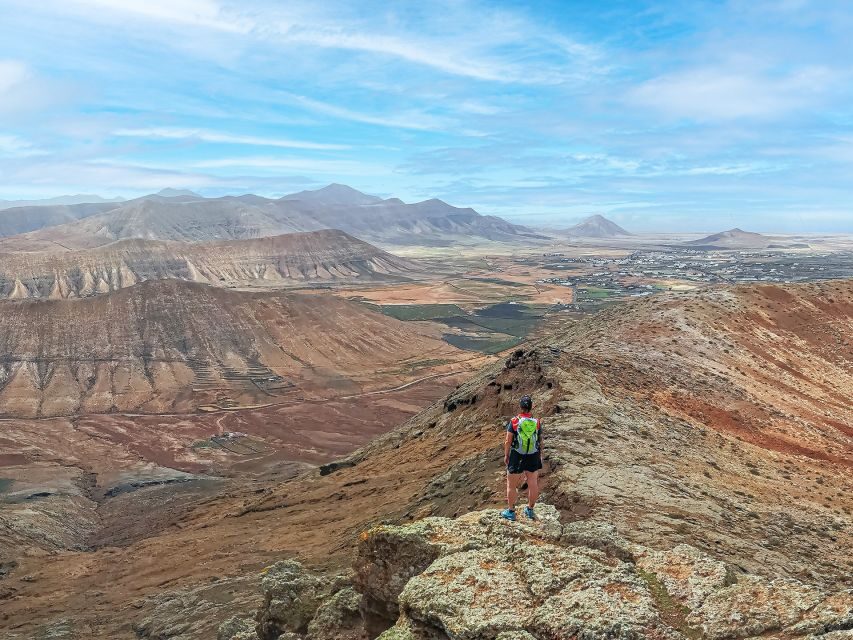
The climb eventually arrives at the edge of the crater near the summit, and you’ll have the chance to challenge yourself on the more adventurous parts toward the highest point of the volcano.
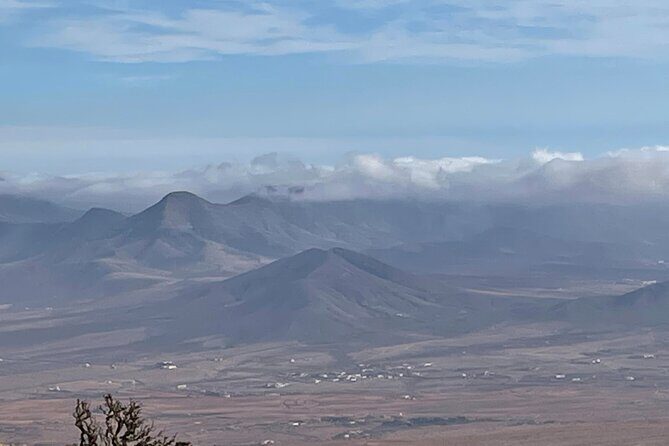
This is where you get the payoff: views over large parts of Fuerteventura. Because you’re high above the terrain, you can see how the island stretches and how volcanic shapes influenced what’s where. It’s a different perspective from the coast.
You’ll also be walking along the rim of the volcano, which is a fun way to experience the scale of the crater. It’s also where footing discipline really matters. The tour format helps—small group size, a guide paying attention, and the walking stick—but you still need to be comfortable with a bit of exposure and uneven rock.
The top isn’t only for photos. It’s also a chance to catch your breath, look around, and get your bearings fast before you start moving along the rim and back down.
The guide experience: Alfredo, Damiano, and the kind of stories that stick
The big difference between a hiking company and a guide-led experience is whether the guide makes the hike feel meaningful. Here, the guide is a major part of the value.
This tour operates with Italian, Spanish, and English live guides. And the names you may encounter—like Alfredo and Damiano—are tied to a strong pattern: they explain the island in a way that feels practical and personal.
What stands out in the best feedback:
- Guides know the island’s history, places, and even plants, not just facts.
- They point out small details you would otherwise walk right past.
- They keep people comfortable during harder sections, slowing down when needed.
- They help with hands-on support when the terrain gets steep.
One guide also brought in extra local texture by recommending food like gofio majorero cheese. That’s not the same as tasting it during the hike, but it’s the kind of suggestion that helps you extend the experience into your day after the hike.
So when you book, think of the guide as part of the ticket price. This isn’t only about reaching the summit; it’s about understanding what you’re stepping on and why the volcano mattered to people who lived there long before tourists arrived.
What you’ll want to pack (and what you can skip)
The tour gives you a walking stick, but you still need to show up ready for sun, heat, and rocky footing. The core packing list is clear:
- Sunglasses
- Camera
- Comfortable hiking shoes with good grip
- Sunscreen
- Water
- Comfortable clothes
You’ll also do better if you plan your outfit for active climbing. Avoid anything restrictive, and consider a light layer in case your morning or late-day timing is breezy.
What’s not included is food or drinks. So if you tend to get hungry after a physical hour, bring a small snack to eat before or after the hike. Water is explicitly needed, and you should treat it as non-negotiable.
Price and value: is $63 per person fair?
At about $63 per person, this tour sits in a reasonable mid-range band for a guided summit hike with pickup. But the real value comes from what’s included:
- Live guide (Italian, Spanish, or English)
- Hotel pickup and drop-off from four key areas on the island
- Walking stick
- Small group size capped at 8
For hiking tours, the hidden cost is often logistics and crowd control. Here, pickup reduces your hassle, and the small group reduces the chaotic feel that can happen on popular trails. Also, because the guide can manage pace and watch footing, you get a safer, more enjoyable hike rather than a one-size-fits-all scramble.
One more angle: this is a 5-hour experience up to the highest volcano on the island, with both crater interior time and rim views. In other words, it’s not just a quick nature stroll.
If you want a more peaceful hike, the small-group setup can help a lot. In at least one case, booking ended up with only two people, which meant a quieter, calmer atmosphere. You can’t count on that outcome, but it’s worth knowing the tour isn’t guaranteed to be crowded.
Who should book this volcano summit hike—and who shouldn’t
This is best for active travelers who want a real summit experience and don’t mind rocky terrain. If you like learning while you hike, the guide-led geology and island-life stories are a big reason to do it.
It’s not for:
- people with impaired mobility
- pregnant women
- children under 10
If you’re on the fence because of difficulty, focus on footwear, balance, and comfort on uneven ground. This isn’t described as a casual stroll, and good shoes aren’t optional. The walking stick helps, but your feet still do the work.
If you’re traveling with friends who want to hike but also want a guide who handles the details—pickup timing, communication, and keeping everyone comfortable—this format is a good fit.
Should you book the Montaña Escanfraga summit hike?
I’d book it if you want a Fuerteventura experience that’s more than beaches and photo stops. This hike gives you the island’s volcanic personality: a crater walk, a climb to the highest point, and a guide who explains what you’re seeing as you move.
Skip it if you’re not comfortable with a steady climb on rocky terrain, or if you fall into the tour’s clear limits for mobility, pregnancy, or age.
One last practical check: pack for sun and bring water. And if you’re unsure about shoe grip, err on the side of hiking footwear, not fashion sneakers. You’ll enjoy the views much more when you’re not thinking about your footing the whole way.
FAQ
Where is pickup included for this tour?
Pickup is included from hotels in Caleta de Fuste, Puerto del Rosario, Corralejo, and El Cotillo.
How long is the hike?
The tour lasts about 5 hours.
What group size should I expect?
The tour is a small group, limited to 8 participants.
What languages are the live guides?
The live tour guide is available in Italian, Spanish, and English.
Is food or drinks included?
No. Food and drinks are not included.
What should I bring?
Bring sunglasses, a camera, hiking shoes, sunscreen, water, and comfortable clothes.
Is this hike suitable for children?
No, it is not suitable for children under 10.
Is it suitable for pregnant women or people with impaired mobility?
No. The tour is not suitable for pregnant women or people with impaired mobility.