REVIEW · FUERTEVENTURA
Surf Lessons in Fuerteventura ( Corralejo )
Book on GetYourGuide →Operated by Surfskate Academy Fuerteventura · Bookable on GetYourGuide
Surfing in Fuerteventura sounds simple. Then you hit the sand and realize learning has rules. What makes this class interesting is the focus on safety and the “small-group” way of teaching, so you get real attention while you practice paddling and standing. I like that the beginners setup keeps the student-to-instructor ratio tight (max 4 per instructor), and you’re taught with 20 years of experience. One consideration: because the lesson goes to whichever beach has the best conditions, you may not know the exact spot until you’re there.
You’ll also appreciate the practical format: a warm-up, a water-safety briefing for the real conditions you’re facing, then theory mixed with hands-on practice. The vibe is described as funny and encouraging, and one instructor named Carlos is specifically praised for patience and good energy. The only “watch out” is that this is a first-timer lesson, so you won’t leave expecting long, effortless rides—this is about building the correct base.
In This Review
- Key reasons this surf lesson works in Corralejo
- Corralejo surf lessons: what you’re really paying for
- Where the lesson happens: golden sand beaches by conditions
- What a 3-hour beginners class actually looks like
- 1) Water safety and spot briefing first
- 2) Warm-up so your body isn’t shocked
- 3) Theoretical + practical instruction in the same block
- Equipment and what to bring in Corralejo
- The small-group advantage: faster corrections, calmer learning
- Languages: how you avoid getting lost on basics
- Meet Carlos’s style (and why it matters for beginners)
- Who this lesson suits best
- Price and value: is $61 a fair deal here?
- Should you book the Corralejo surf lesson?
- FAQ
- FAQ
- How long is the surf lesson?
- Where does the beginner surf lesson take place?
- How big are the groups?
- What is the student-to-instructor ratio for beginners?
- What language options are available for the instructor?
- What surf gear is included?
- What should I bring to the lesson?
- Is there free cancellation?
- Can I reserve without paying right away?
- How do I choose a time slot?
Key reasons this surf lesson works in Corralejo
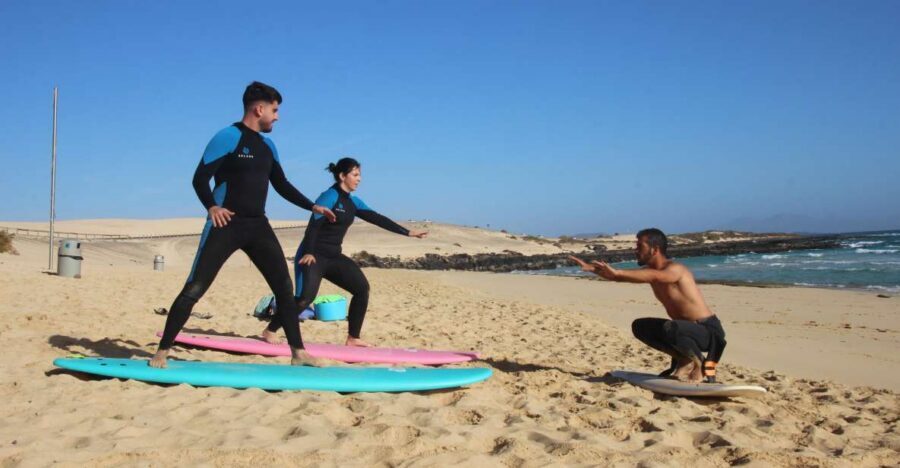
- Small groups (max 5) that keep instruction personal
- Max 4 students per instructor for beginners, so you get quicker corrections
- Focused wave types: start on foams and small green waves without breaking
- Water safety briefing on currents, spot details, and safe spacing
- 3-hour progression from paddling to standing on the board
- English, Spanish, Portuguese, Italian instruction to reduce confusion on basics
Corralejo surf lessons: what you’re really paying for
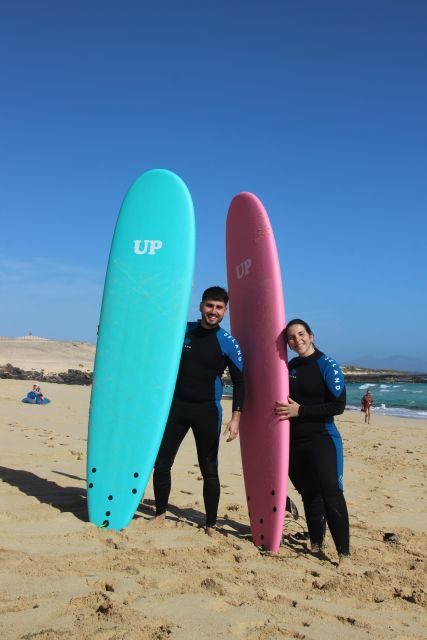
At $61 per person for about three hours, this is the kind of surf lesson that aims to be useful, not just event-y. In surf schools, price can be all over the place, but value usually comes down to one thing: how quickly you get feedback. Here, the class is built around small numbers—max 5 participants overall, and a beginners group of up to 4 students per instructor.
That ratio matters because the “hard part” of learning isn’t only catching waves. It’s learning the base: positioning, timing, paddling rhythm, and how to move from lying down to standing. With fewer people in the water, you don’t wait around for your turn. You also get corrected early, before bad habits become muscle memory. That’s where the quality-over-quantity approach pays off.
The other value driver is experience. The teaching team is described as having 20 years behind them, and the instructors lean into a mix of fun and safety. In practical terms, that means you should feel guided rather than thrown into the ocean. You’ll get an explanation of what you’re doing, why you’re doing it, and how to stay safe around other surfers.
Other surf lessons we've reviewed in Fuerteventura

Where the lesson happens: golden sand beaches by conditions
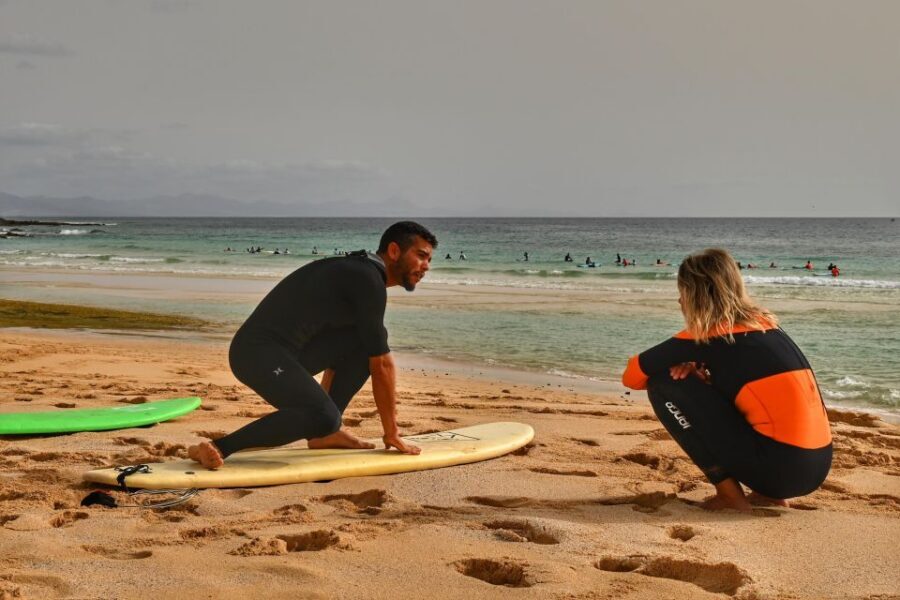
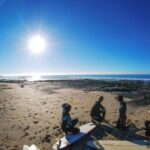
Fuerteventura has a lot of coastline, and this lesson doesn’t rely on a single fixed beach. Instead, you travel to golden sand beaches across the island—west, north, and east—so the team can choose the spot with the best beginner conditions for that session.
Why that matters for you: surf varies minute to minute. Wind direction, wave energy, and how the waves break can change a “great learning day” into a frustrating one. By moving to the best conditions, the school increases the odds you’ll get the kind of practice that helps a beginner progress.
And the waves they’re aiming for are beginner-friendly on purpose:
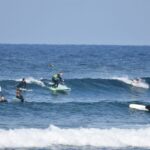
- white waves (foams) for early learning
- small green waves that don’t break
That “no breaking” detail is key. When waves break hard, beginners waste energy getting knocked down and dragged around instead of practicing the core mechanics. Starting on easier wave forms helps you practice with better control—and it makes progress feel more real.
What a 3-hour beginners class actually looks like
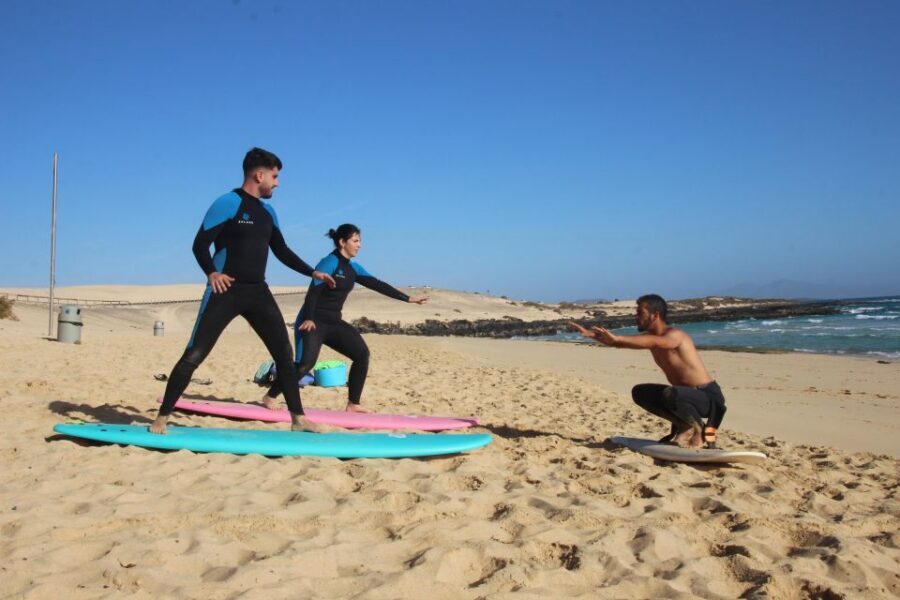
This is an introductory surf class with a total time of about three hours. The rhythm is structured, so you’re not just waiting for someone to hand you a board. Here’s how the flow is set up:
1) Water safety and spot briefing first
Before you start moving, you get a briefing about the spot. That includes:
- water safety basics
- currents (what to watch for)
- distance between students (so everyone has room)
- spot-specific guidance tied to the wave conditions
For beginners, this step is not “extra.” It’s what keeps your practice sessions from turning into chaos. When you understand currents and spacing, you can focus on paddling and positioning instead of panicking when things feel different than the beach.
2) Warm-up so your body isn’t shocked
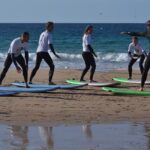
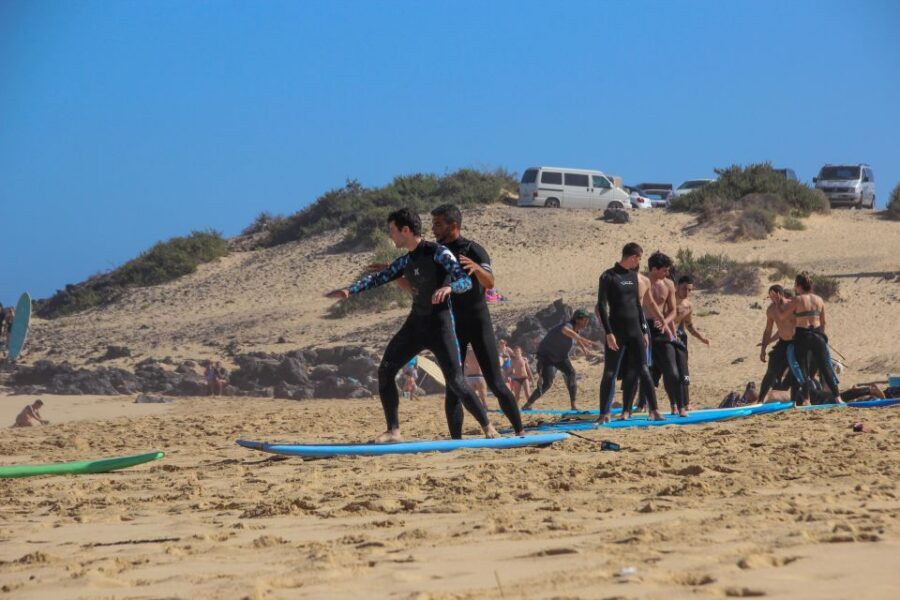
Next comes a full warm-up muscle session. Surf uses a lot of the same muscles repeatedly—shoulders for paddling, core for balance, legs for the stand. A warm-up helps you get moving safely before you start doing repeated actions in the water.
Other Corralejo tours and activities in Fuerteventura




3) Theoretical + practical instruction in the same block
Then the session switches to a blend of teaching and doing. You’ll get a clear explanation and then immediate practice. The goal isn’t complicated surfing tricks. The goal is the foundation: paddling and stand-up practice that leads to surfing standing on the board by the end of the class.
In most beginner lessons, people leave with one of two outcomes: they either learn the steps, or they just get wet. This class is designed so the instruction directly supports you progressing all the way to standing.
Equipment and what to bring in Corralejo
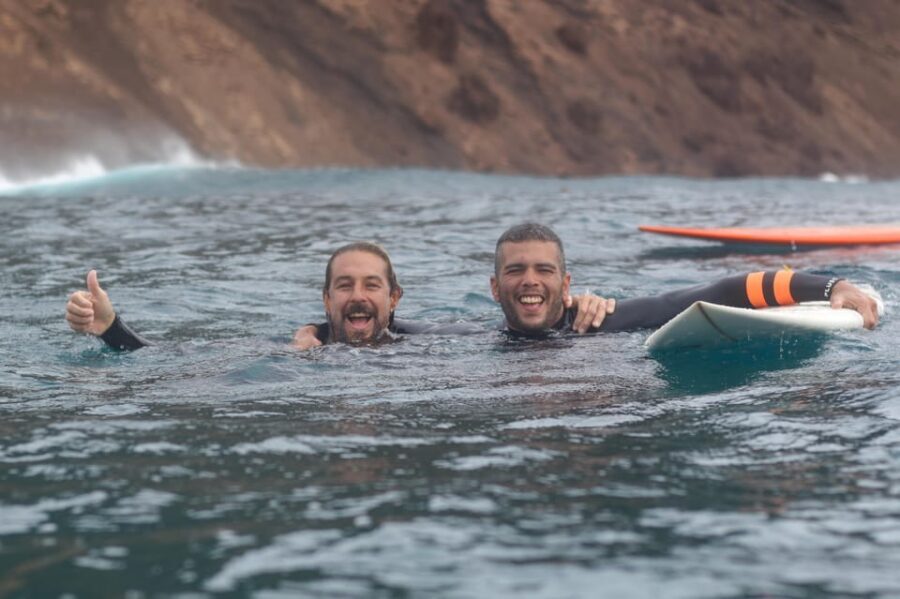
Included in the class:
- Surfboard
- Wetsuit
That’s a practical plus. You don’t need to rent gear, hunt for sizes, or deal with the awkward “mine didn’t fit so I used someone else’s” problem.
What you need to bring:
- beachwear
That’s it—no laundry list of gear. In real-world terms, I’d still suggest you plan for a quick rinse and drying after. But the official requirement is simply beachwear, plus whatever you personally need to be comfortable before and after the water time.
The small-group advantage: faster corrections, calmer learning
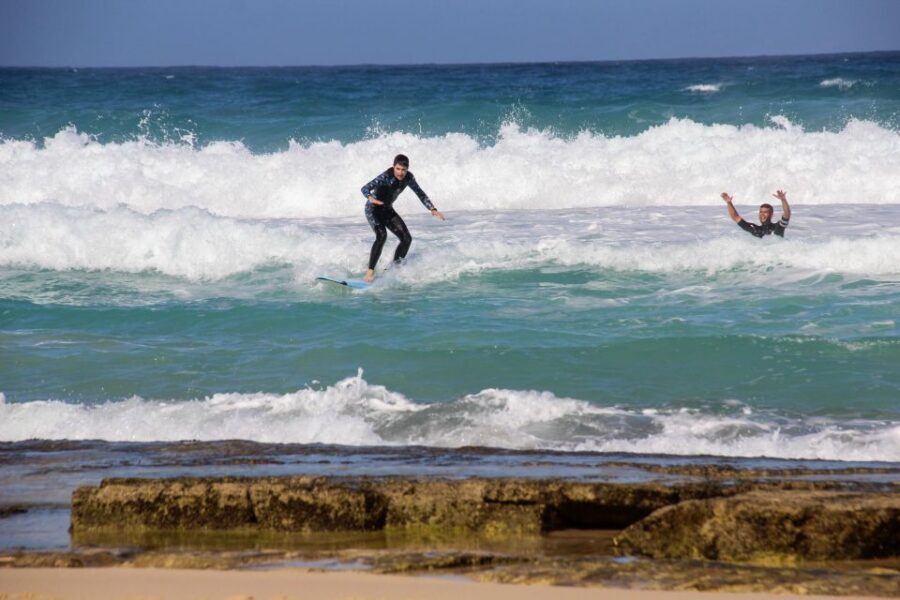
This school’s biggest selling point is also the most underrated part of learning to surf: the teacher-student spacing. The beginners course is run in groups of max 4 clients per instructor. With small groups, the instructor can watch your position, your paddling angle, and when you’re trying to stand.
That’s how you avoid bad vices—the wrong kind of habits that creep in when you only get occasional feedback. With enough attention, you learn the correct base early, so you spend your time practicing the right movements instead of repeating mistakes.
And the overall group size of up to 5 participants helps maintain safety too. Surf lessons are physical. People get tired. Currents exist. Keeping the group tight makes spacing easier to manage and keeps the instructor’s eyes where they need to be.
Languages: how you avoid getting lost on basics
One practical detail that can change your experience: you understand the instruction. This class offers instructors in English, Spanish, Portuguese, and Italian.
If you’ve ever tried learning a sport with explanations you can partially follow, you know how that slows progress. With language support, you can focus on the “how” rather than translating “what does he mean by that?” in your head.
Meet Carlos’s style (and why it matters for beginners)
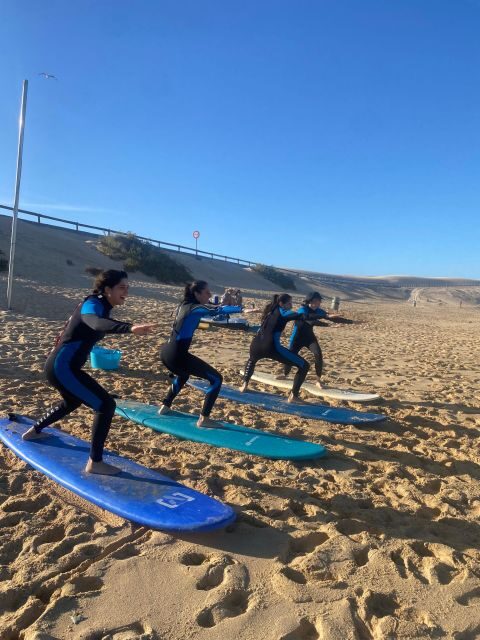
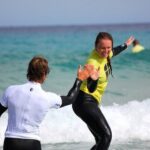
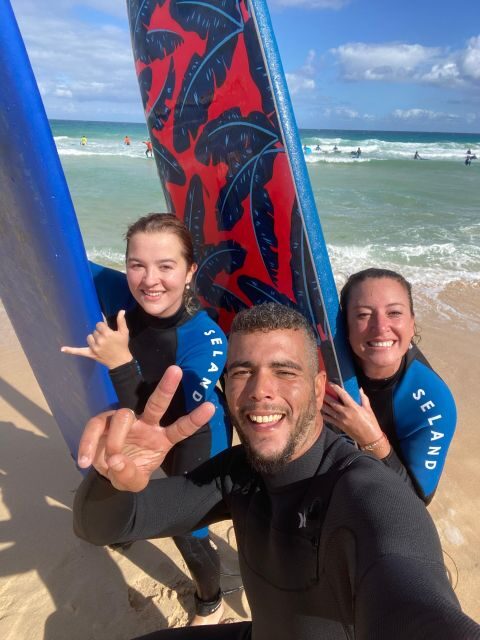
There’s a specific theme in the feedback: patience and encouragement. One instructor named Carlos is highlighted for explaining and demonstrating everything with patience and good energy, and for encouraging students during practice.
That style matters because surfing is mentally weird at first. You’re balancing, getting tossed a bit, trying again, and still figuring out what “normal” feels like in the water. If your instructor keeps the tone calm and supportive, you’ll take feedback better and keep trying instead of getting discouraged.
The school also mentions “funny and safety,” which is exactly what you want. You don’t need to be treated like a fragile beginner—but you also don’t need chaos. The right combination makes you stay focused and willing to practice.
Who this lesson suits best
This is a strong fit if you:
- are brand new to surfing (or close to it)
- want a structured class that prioritizes fundamentals
- prefer small groups over big, crowded lessons
- value safety briefings and clear coaching
- want instruction you can actually understand (English/Spanish/Portuguese/Italian)
It’s probably less ideal if you already surf confidently and want advanced skills. This is about your first steps: paddling, stand-up mechanics, and getting to that moment where you’re surfing standing on the board.
Price and value: is $61 a fair deal here?
For about three hours with surfboard and wetsuit included, $61 can be a good value—mainly because of the teaching structure. You’re paying for:
- small-group instruction (max 5 overall)
- a tight beginner ratio (max 4 per instructor)
- about three hours of guided practice toward a specific goal
- safety and spot briefings
- experienced coaching (20 years)
If you’ve done surf lessons elsewhere where you spend half the time waiting your turn, you know the “real cost” isn’t just the money—it’s wasted water time. This format is trying to reduce that. Even if conditions vary a bit based on where you go that day, the teaching plan stays consistent: brief, warm-up, theory/practice, paddling, then stand-up.
Should you book the Corralejo surf lesson?
Yes—if you want a beginner class that is organized, safety-minded, and built around fundamentals. The small-group setup is the deciding factor. You’ll get attention that helps you learn the correct base instead of just surviving a few wipeouts.
Skip it only if you’re looking for an advanced, trick-focused surfing session or if you hate the idea that the exact beach might change based on the day’s best conditions. For most first-timers in Fuerteventura, this is a smart, practical way to start.
FAQ
FAQ
How long is the surf lesson?
The class lasts about three hours.
Where does the beginner surf lesson take place?
For introductory classes, the group travels to golden sand beaches in Fuerteventura, located between the West, North, and East of the island, depending on conditions.
How big are the groups?
The small group is limited to 5 participants.
What is the student-to-instructor ratio for beginners?
Beginners courses are carried out in groups of max 4 clients per instructor.
What language options are available for the instructor?
Instructors teach in English, Spanish, Portuguese, and Italian.
What surf gear is included?
The package includes a surfboard and a wetsuit.
What should I bring to the lesson?
Bring beachwear.
Is there free cancellation?
Yes. You can cancel up to 24 hours in advance for a full refund.
Can I reserve without paying right away?
Yes. You can reserve now and pay later.
How do I choose a time slot?
The activity says duration is 3 hours, and you should check availability to see starting times.