REVIEW · FUERTEVENTURA
Fuerteventura: Surfing Lesson in the south of Fuerteventura
Book on GetYourGuide →Operated by OTRO MODO Surfschool & Camp · Bookable on GetYourGuide
Warm white sand and Atlantic energy get you ready. In this surf lesson in the south of Fuerteventura, the teaching style is built around real ocean safety, then quick progress—whether you’re brand new or already riding waves. I love the small groups (4 to 8) because you’re not just following the crowd. I also like that the instructor holds a beach lifeguard licence, so safety and currents aren’t an afterthought. One possible drawback: the exact beach can change day to day with wind, tide, or weather, so your schedule has a little flexibility built in.
What makes it especially practical is how the lesson is split into clear stages: first dry exercises on land (including the “Take Off”), then time in the water with hands-on guidance. You’ll also get the right equipment for your level, from soft foam boards for beginners to epoxy boards for advanced surfers, plus Billabong wetsuits. I think this combo is why a 60-dollar lesson can feel like real training instead of a one-and-done try.
In This Review
- Key highlights I’d center in your planning
- Why the south of Fuerteventura makes surfing lessons easier
- The “best beach today” approach (and why it’s worth it)
- Texting your meeting point and handling pickup without stress
- What happens before you touch a surfboard
- Land drills: the “Take Off” that builds confidence
- The real teaching: in-water coaching that doesn’t let you drift
- A lifeguard mindset you can feel
- Equipment choices that match your level (and why it matters)
- How the course adapts to beginners, intermediates, and advanced surfers
- What to bring so you’re not scrambling mid-lesson
- Languages and vibe: clear instruction, small-group momentum
- Price and value: what $60 buys in real learning time
- Who should book this surf lesson (and who should skip it)
- Should you book Fuerteventura Surfing in the south?
- FAQ
- What’s the duration of the surfing lesson?
- Is this lesson only for beginners?
- What surfboards and wetsuits are included?
- Is pickup included?
- Where do I meet the group?
- What should I bring to the beach?
- What’s the minimum age?
Key highlights I’d center in your planning
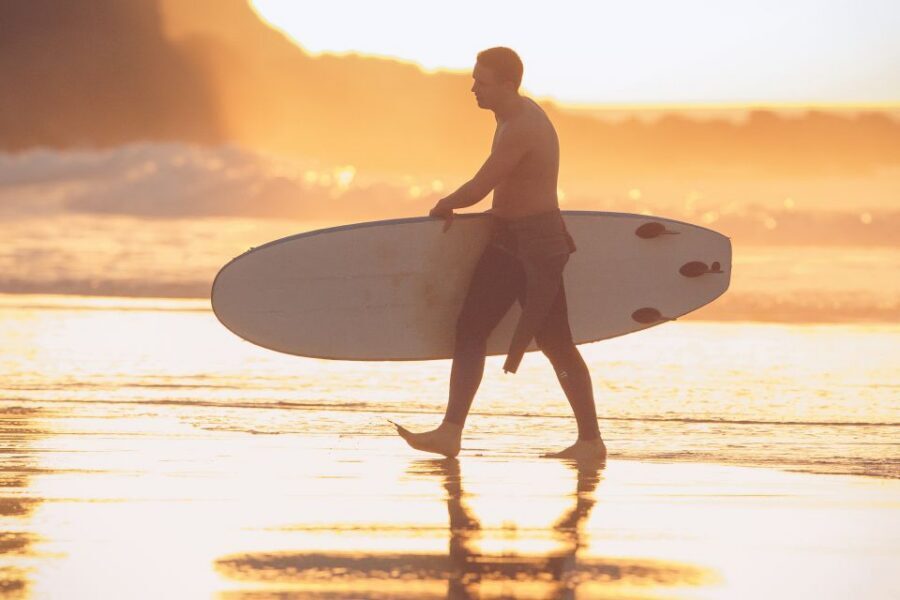
- Small group coaching (4–8 per instructor) so you get personal corrections, not generic tips
- Beach lifeguard licence instructor with currents and safety instructions before you paddle out
- Dryland “Take Off” drills to practice popping up and board position before the waves
- Boards matched to skill: soft-foam for beginners, epoxy for advanced surfers
- South Fuerteventura beach-hopping to find the best conditions that day
Why the south of Fuerteventura makes surfing lessons easier
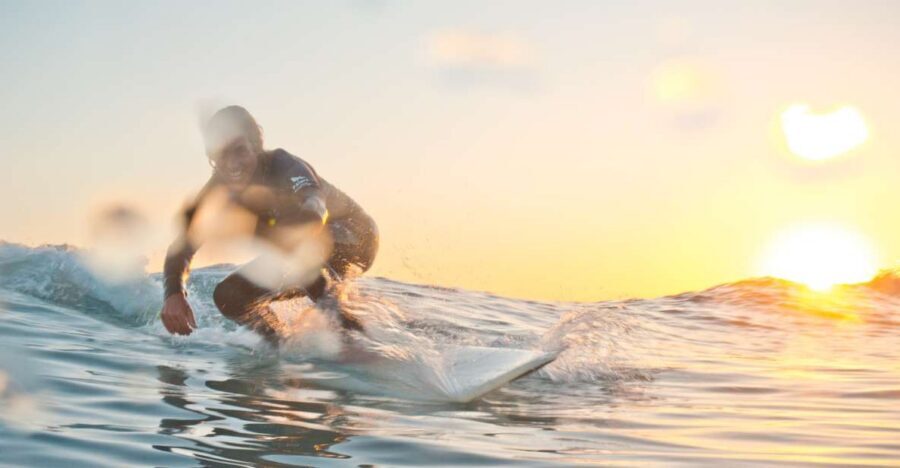
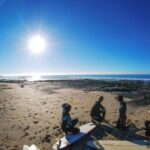
Southern Fuerteventura is known for its long, open beaches—and that matters for learning. You want space to move, room to fall (a lot), and enough time on the water to try again. This lesson leans into that idea by taking you to the beach that offers the best conditions for your group’s level.
The ocean here is powerful, but the goal of the course is to help you work with it, not fight it blindly. You start with currents and safety explained right at the beach, then you go through staged practice. That structure is exactly what beginner surfers need: fewer surprises and more repeatable “how do I do the next part” coaching.
If you’re more experienced, the value is still there. The course doesn’t treat surfing like one fixed skill. It adapts the surfboards and (by extension) the approach to the kind of waves you’ll try, so you can spend more time actually learning and less time waiting.
Other surf lessons we've reviewed in Fuerteventura

The “best beach today” approach (and why it’s worth it)
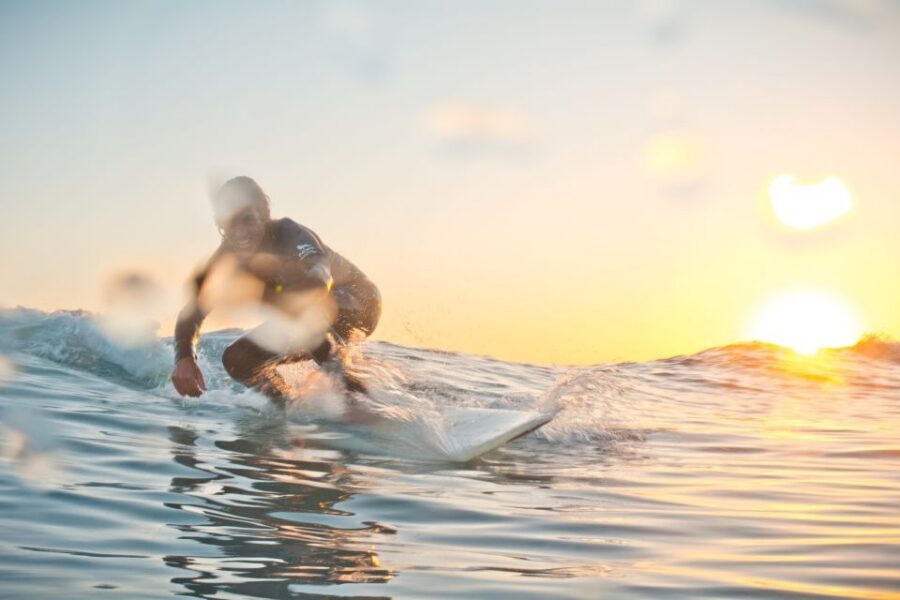
One detail that can make or break a surf day is simple: the wave you get depends on wind and tide. This school explicitly builds that reality into the experience. Each day, you drive to the beach that offers the best conditions for your group’s level of surfing.
That means the surf spot isn’t set in stone. You might go to a calmer-feeling area for learning, or a different beach if conditions shift. You’ll also get a message by text or WhatsApp at least one day before with the meeting time and place.
In practice, this is smart planning. If you’ve ever tried to learn when the wind is wrong or the water is too chaotic, you know how fast motivation drops. This setup aims to reduce that risk by matching the day’s environment to the lesson plan.
Texting your meeting point and handling pickup without stress
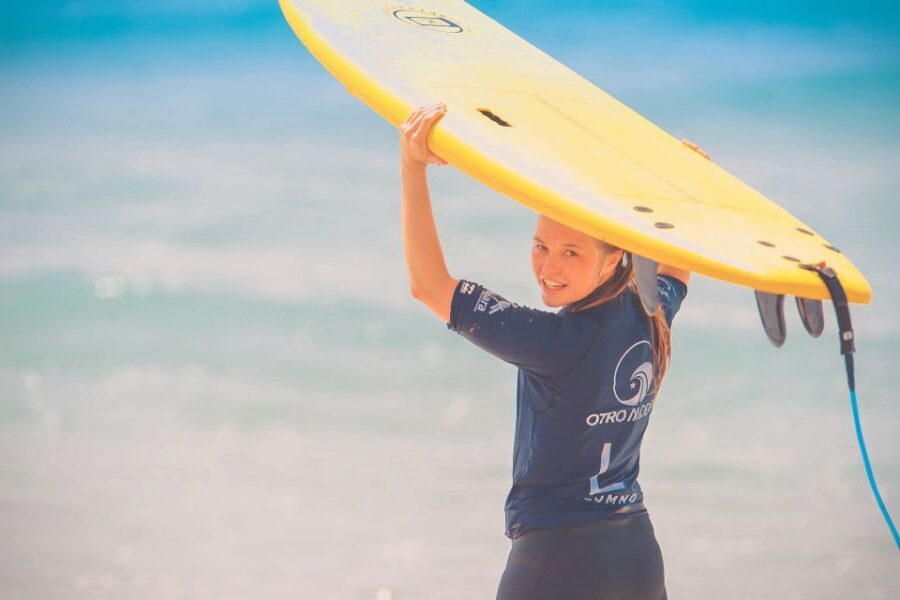
Expect one of two patterns, depending on whether you choose pickup.
- Optional pickup for an extra 8€ is available from Morro Jable, Jandia (Esquinzo), Butihondo, Costa Calma, La Pared, or La Lajita.
- If you’re not picked up, the meeting point can still change due to wind, tide, or weather, so you’ll rely on the day’s message.
You’ll need to send your mobile phone number, plus your height and weight (so the team can provide the right equipment). For pickup, you’ll also send your hotel name or accommodation address. This isn’t busywork—it directly affects whether you get a board that fits and whether the instructor can set you up fast once you arrive.
Also plan around the overall duration. The course can run 3.5 to 13.5 hours depending on starting times and conditions. That range can sound huge, but it usually comes down to how long the team needs to hit good surfing windows safely.
What happens before you touch a surfboard
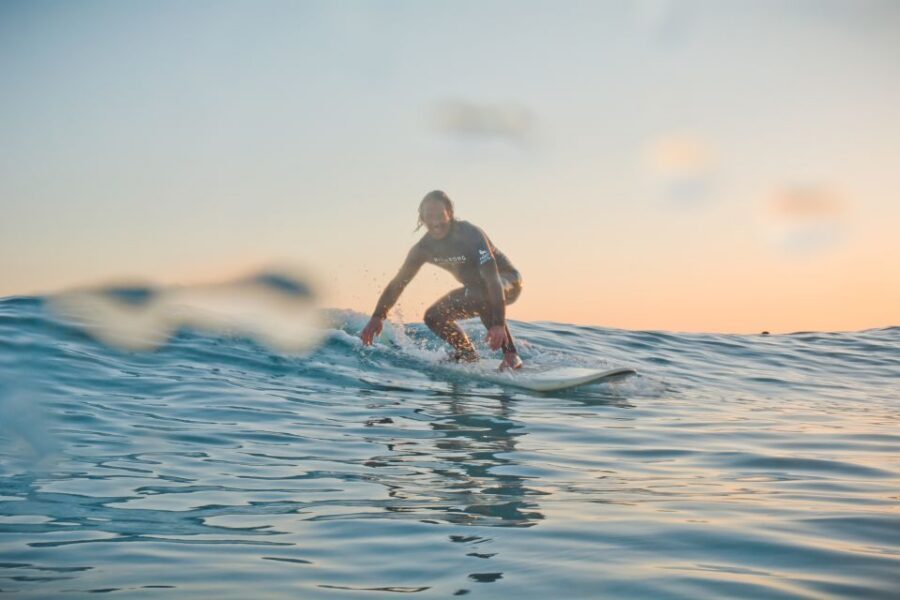
Your day usually starts with getting to the beach, then getting briefed like you’re part of a real training session. Before anyone stands up, you get explanations about currents and important safety instructions for using the surf equipment. That step matters because surfing problems are often not about technique—they’re about water positioning, timing, and respect for how the water moves.
After that comes the warm-up, followed by the first round of practice on land. This is where the course shows its teaching logic.
Land drills: the “Take Off” that builds confidence
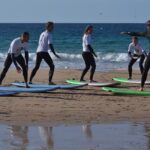
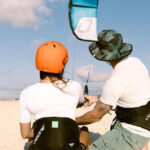
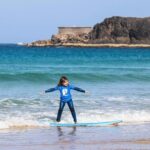
The dry exercises are short, focused, and meant for muscle memory. You work on your position on the board and the movement of standing up. The school calls this part the “Take Off.”
If you’ve tried surfing before, you know the common frustration: you’re on the board for a second, then you pop up wrong or you lose balance. Dry drills help you practice the motion when you’re not fighting waves. You’re basically learning the steps in the safest place possible—on sand.
This is also where instructors can spot what’s going wrong early. Small corrections now usually save you a lot of pain later.
A few more Fuerteventura tours and experiences worth a look
The real teaching: in-water coaching that doesn’t let you drift
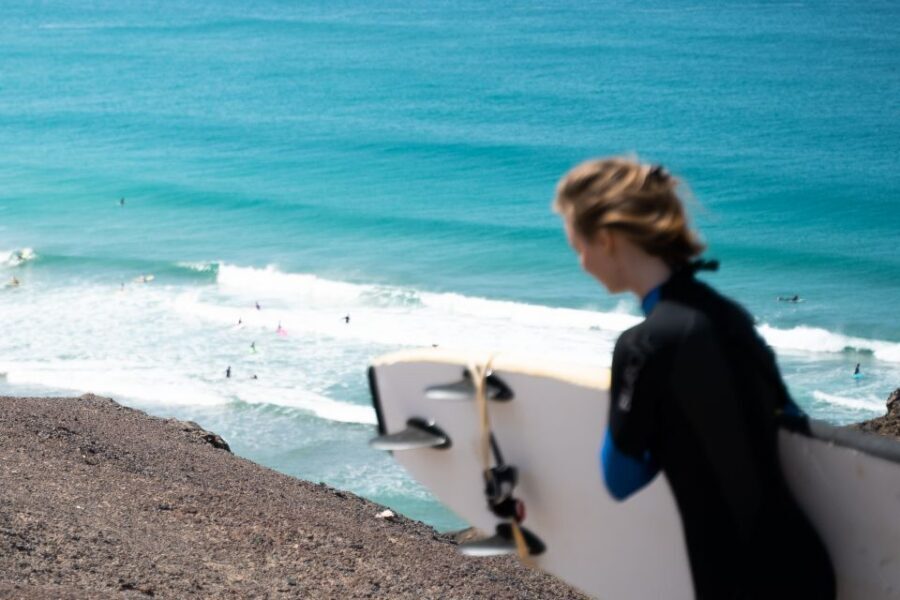
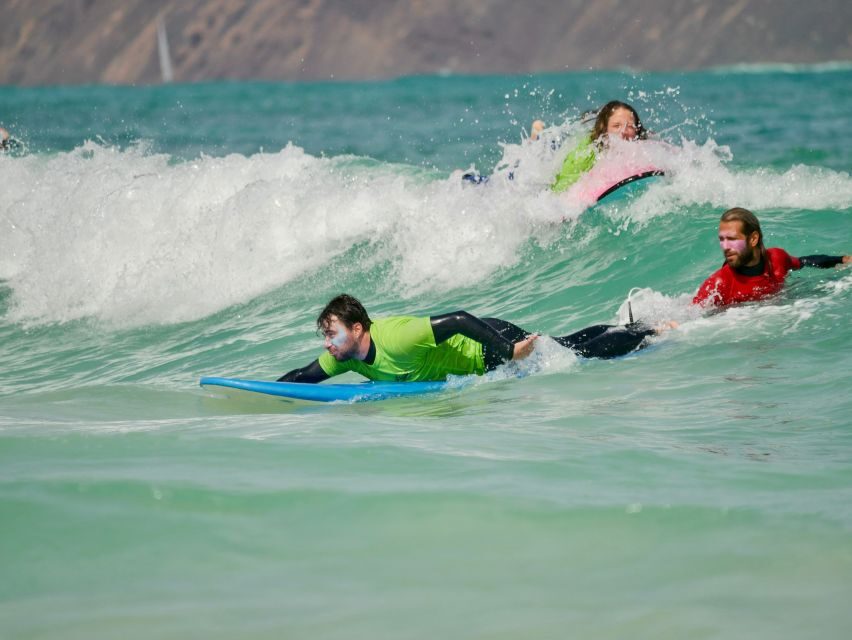
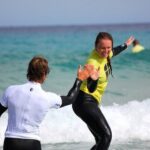
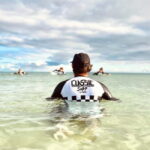
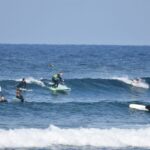
Once you’re in the water, the lesson shifts from “practice” to “apply.” The instructor is in the water with you and helps you choose waves, pushes you into the waves, and gives tips to improve your technique.
That in-water presence is a huge part of the value. Without it, you spend too much time guessing what wave to try, where to paddle, and when to commit. With it, you get a feedback loop: try, get corrected, try again.
You also get wave selection guidance. That’s not glamorous, but it’s one of the biggest keys to learning. If you keep picking waves that are too big, too fast, or moving in the wrong direction for your current skill, you’ll feel like you’re “doing everything right” and still not progress.
A lifeguard mindset you can feel
Because the instructor has a beach lifeguard licence, safety is built into the pace of the session. Even when conditions change, you should feel like the plan is about control: where you’re placed, how you move with the board, and how you use equipment safely in the surf.
This is especially important in Fuerteventura’s south where ocean energy can go from teachable to tough pretty quickly. A lifeguard-informed approach is exactly what you want when your confidence is rising but you still don’t fully read the water.
Equipment choices that match your level (and why it matters)
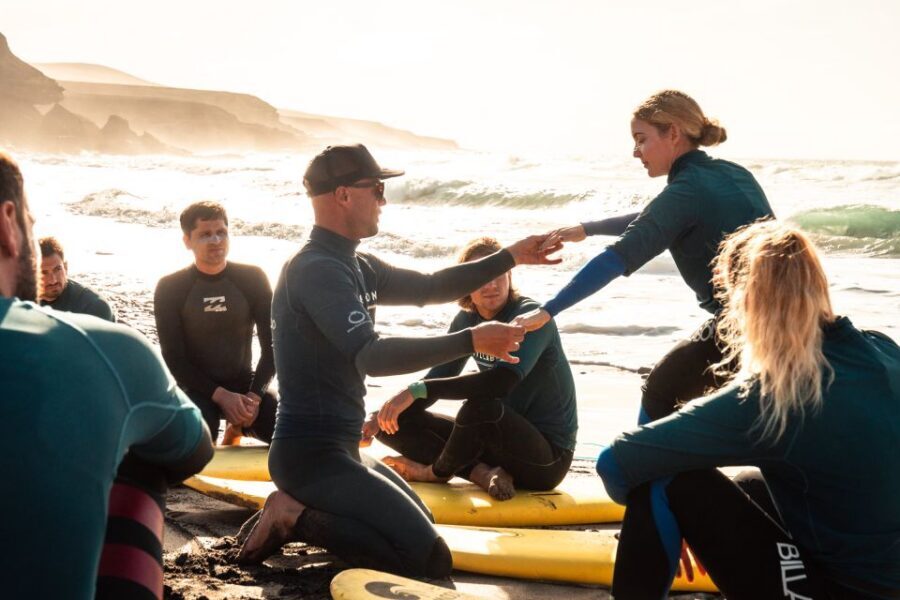
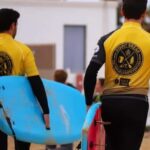
This course takes boards seriously, and that’s a practical advantage. You’ll use Ocean&Earth surfboards with soft foam covers for beginners, while advanced surfers get epoxy surfboards.
Here’s why you should care:
- Soft foam boards reduce the penalty of falling and make getting to the “stand-up moment” more realistic.
- Epoxy boards tend to feel more responsive, which matters once you already know how to paddle, pop up, and trim.
You’ll also get a Billabong wetsuit. Wetsuits help with comfort and endurance, so you can stay focused through multiple attempts. Surfing isn’t just a short sprint; you improve through repetition, and repetition needs you to stay comfortable enough to keep trying.
If you’re booking, send your height and weight promptly. Board fit isn’t just a technical detail—it affects balance and how quickly you can catch and ride.
How the course adapts to beginners, intermediates, and advanced surfers
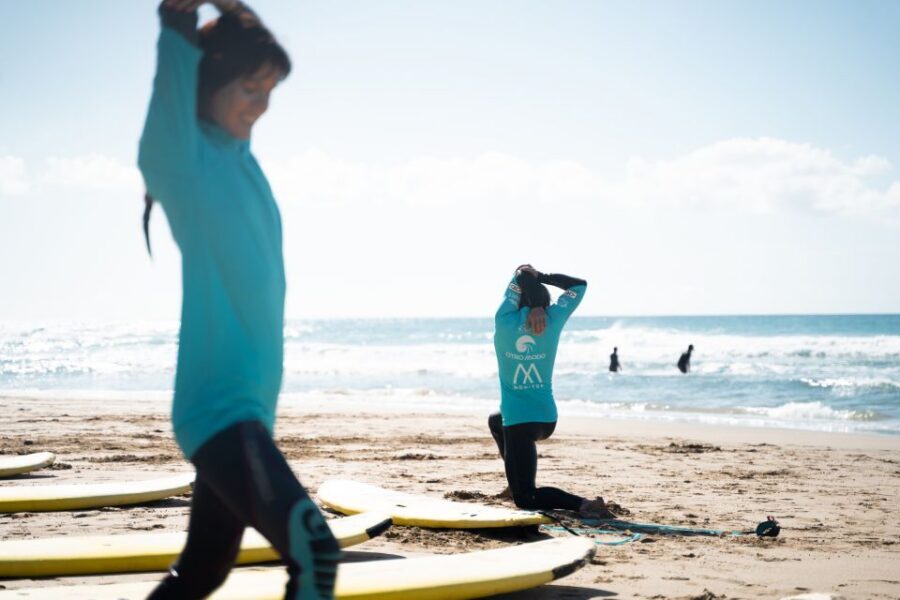
The lesson explicitly states it doesn’t matter if you’re a beginner, intermediate, or advanced surfer. What matters is how the team adapts the daily beach conditions and the surfboard choice.
In a small group (limited to 4–8 participants per instructor), adaptation becomes real. You’re not stuck with one single instruction style for everyone. Instead, the instructor can adjust pacing, wave size, and what you practice during both dryland and in-water time.
You might see this reflected in how lessons progress:
- Beginners usually spend more time on basics: position, the Take Off movement, and learning how to catch small waves safely.
- Intermediates often focus on consistency—keeping control when the wave shape changes and getting better at timing.
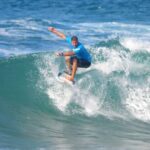
- Advanced surfers are more likely to get setups that challenge balance and technique, using the epoxy boards.
And you’ll likely hear specific coaching aimed at your current level rather than generic “try again” advice.
What to bring so you’re not scrambling mid-lesson
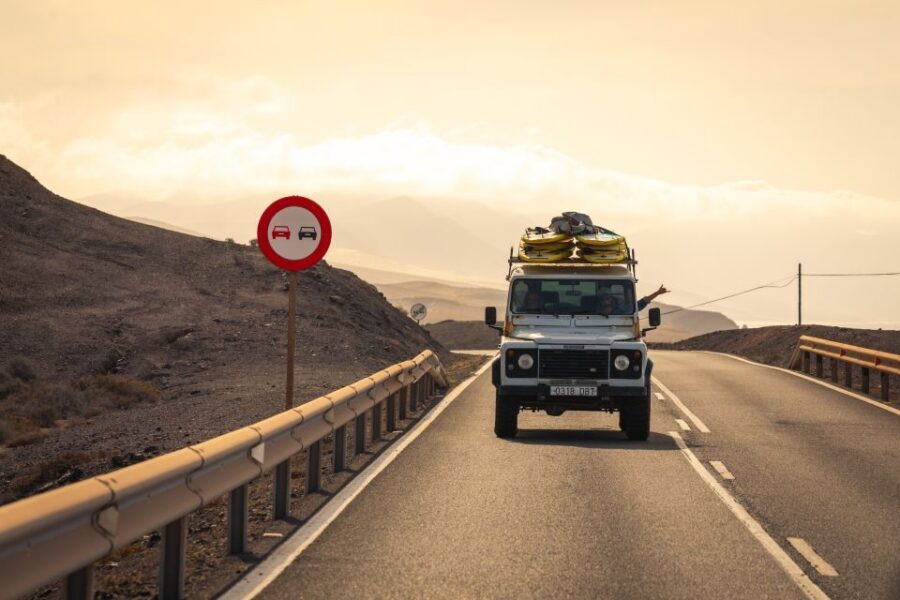
This is one of those “you’ll thank yourself later” days. Bring:
- Swimwear
- Towel
- Sunscreen
- Water
- Beachwear
If food isn’t included, you’ll want to plan around your energy. The course does not include food and drinks, so I recommend packing something simple if you’re doing a longer day. At minimum, keep water handy and think about snacks that travel well.
Also, remember the wetsuit and the ocean mean you’ll get cold later if you’re not prepared. A towel and sunscreen are small items that make the day smoother from start to finish.
Languages and vibe: clear instruction, small-group momentum
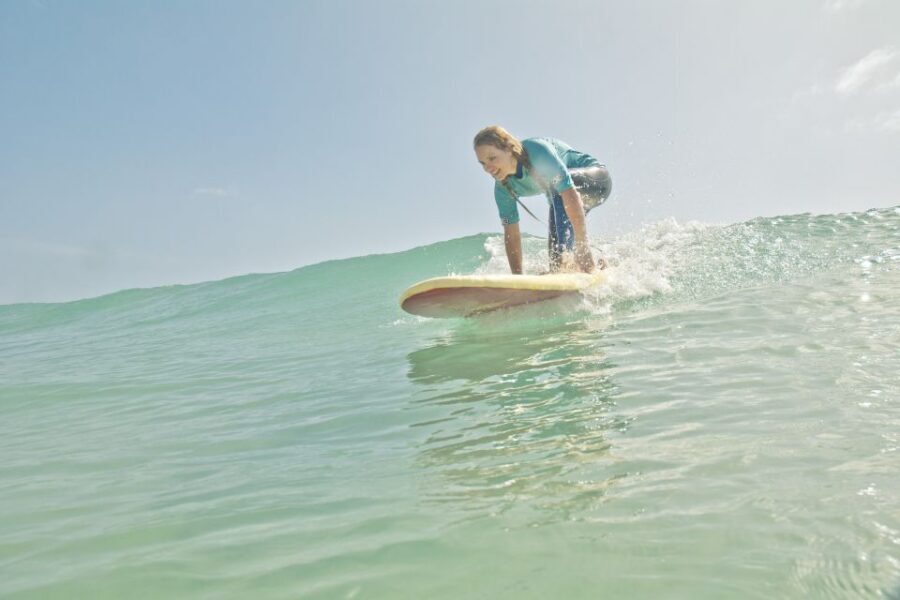
The instructors offer lessons in German, English, Spanish, French, and Dutch. That’s useful if you want to understand coaching clearly without translating in your head while you’re trying to balance on a moving board.
The teaching vibe also seems consistent across sessions: clear, step-by-step coaching with instructors who care about getting you moving in the right direction. You’ll often hear that the instructor helps in practical ways—pushing you into waves, choosing what to ride, and giving immediate improvement tips.
The humor and positivity aren’t just nice-to-have. When you’re learning to surf, falling is guaranteed. A supportive coaching style makes you keep going long enough to actually improve.
Price and value: what $60 buys in real learning time
At $60 per person, this surf lesson sits in the “reasonable cost for hands-on instruction” category. The value comes from several things you don’t always get together:
- Small group size (4–8)
- A surf instructor with beach lifeguard licence
- Board selection that matches your skill level (foam for beginners, epoxy for advanced)
- In-water coaching that includes helping you into waves and giving technique feedback
- A beach shuttle to the best conditions, not just a fixed pickup and hope
What doesn’t come with the price: food and drinks, so your day cost can bump up slightly depending on what you do for meals and water. If you’re staying in southern Fuerteventura, pickup is also optional at an extra 8€.
I’d call this good value if you want real instruction rather than a “tourist surf demo.” If your main goal is just to get a single try, you might find cheaper options, but you’d likely sacrifice coaching time.
Who should book this surf lesson (and who should skip it)
This is a strong fit if:
- You want surf coaching in a small group with real safety prep
- You’re a beginner and want structured steps (including Take Off drills)
- You’re intermediate or advanced and want your session matched to conditions and equipment
- You like the idea of surf spots changing to chase better waves
It’s not suitable for children under 13. Also, since the duration can stretch up to 13.5 hours and food isn’t included, I’d think twice if you’re only able to handle a short, low-effort outing.
Should you book Fuerteventura Surfing in the south?
Yes, if you want a lesson that treats surfing like a skill you can learn with good instruction, not a lottery. The “best beach today” plan, the small groups, and the lifeguard-licensed safety approach are exactly what help you learn faster and feel safer while you do it.
Book it especially if you’re the type who learns best with steps and feedback: warm-up, dry drills, Take Off practice, then in-water coaching with help choosing waves.
If you’re expecting a super-fixed schedule no matter what the ocean does, keep in mind that wind and tide can change the beach and timing. But if you’re traveling to Fuerteventura with some flexibility, that adaptability is part of the value.
FAQ
What’s the duration of the surfing lesson?
The course duration can be 3.5 to 13.5 hours, depending on starting times and conditions.
Is this lesson only for beginners?
No. The lesson is designed for beginners, intermediate, and advanced surfers, and the surfboards are matched to skill level.
What surfboards and wetsuits are included?
You get Ocean&Earth soft-foam boards for beginners and epoxy boards for advanced surfers, plus Billabong wetsuits.
Is pickup included?
Pickup is optional. There’s an extra 8€ pickup from Morro Jable (Morro Jable), Jandia (Esquinzo), Butihondo, Costa Calma, La Pared, or La Lajita.
Where do I meet the group?
The meeting point can change based on wind, tide, or weather. You’ll receive a text or WhatsApp message at least one day before with the meeting time and place.
What should I bring to the beach?
Bring swimwear, a towel, sunscreen, water, and beachwear.
What’s the minimum age?
The activity is not suitable for children under 13.