REVIEW · FUERTEVENTURA
Scuba Diving Baptism in Caleta de Fuste
Book on Viator →Operated by VIMOTIONS · Bookable on Viator
First-time scuba feels oddly doable here. I love the patient instruction that makes first-timers feel safe, and I also like that you’re kept to a 6 meter max depth so the day stays controlled. One thing to plan around: it requires good weather, and it should not be scheduled on the same day you fly.
You’ll do this in Caleta de Fuste, a practical base on Fuerteventura with easy access from the airport and Puerto del Rosario. Expect a small group (max 8), an English-speaking instructor, and a course that moves from basics to real water without rushing you.
In This Review
- Key Highlights You’ll Care About
- Getting Your First Scuba Baptism Skills in Caleta de Fuste
- What Happens Before You Go Underwater: Theory That Actually Helps
- Pool Practice: Your Safety Net in Water
- The Caleta de Fuste Underwater Part: 6 Meters and Real Marine Fauna
- Equipment, Photos, and the “Remember This” Factor
- Timing and Where You Meet: A Practical Start at 9:30 AM
- Price and Value: What $120.15 Really Covers
- Who This Course Fits Best (And Who Might Reconsider)
- Tips for a Smooth, Confident First-Time Session
- Should You Book This Caleta de Fuste Beginner Scuba Baptism?
- FAQ
- How long does the scuba baptism course take?
- What is the maximum depth you will reach?
- What is the minimum age to participate?
- Is the experience offered in English?
- What’s included in the price?
- Where do we meet for the activity?
- What if the weather isn’t good?
Key Highlights You’ll Care About
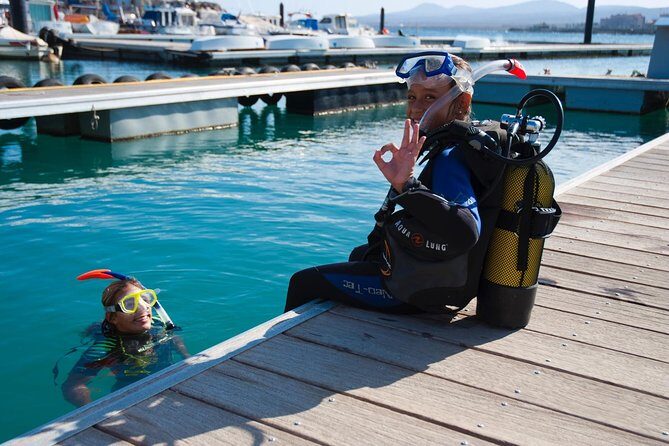
- Theory first, then hands-on: you’ll learn equipment use, safety rules, and hand signals before any real water time
- Pool practice for confidence: you start in a swimming pool to get comfortable with the gear and routine
- 6 meters max: the training is designed to keep things beginner-friendly and manageable
- Real marine life in Caleta de Fuste: you’ll see local fish during the ocean portion
- Photos after your session: you’ll get downloadable photos from the experience
- Instructors who stay calm: multiple instructors are praised for patience and clear teaching
Getting Your First Scuba Baptism Skills in Caleta de Fuste
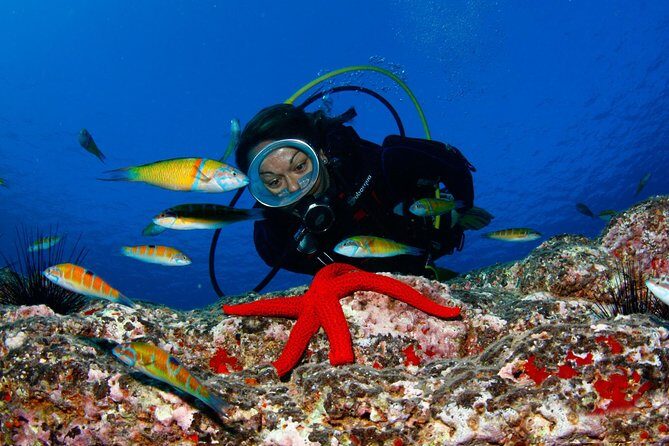
Caleta de Fuste is an easy place to start because it’s built for vacation days: you’re near the airport, close to Puerto del Rosario, and you can get to the pier area without turning your holiday into a logistics puzzle. This course is specifically aimed at beginners, so you’re not expected to show up already knowing anything about scuba gear, buoyancy, or underwater communication.
I like that the structure is straightforward. You begin with the classroom basics, then you get actual practice time in a pool, and only after that do you go out for the underwater part. That order matters. It reduces the usual first-time panic of figuring out gear while also trying to look at fish.
The experience also has a real-world comfort level built in: you’ll stay at a maximum depth of 6 meters, and the group is limited to 8 people. Smaller groups usually mean fewer distractions, more attention, and quicker coaching when you need it.
Other scuba diving tours in Fuerteventura
What Happens Before You Go Underwater: Theory That Actually Helps
The first phase is all about making the gear and safety rules make sense. Expect the instructor to explain how the equipment works, how to use it correctly, and how underwater communication is handled with hand signals. You’ll also go over safety rules clearly enough that you can follow them without guessing.
This is the part that turns a scary-sounding activity into a skill you can manage. If you understand what your regulator is doing, why your breathing matters, and what your signals mean, the underwater portion feels less like a mystery and more like a guided routine.
You should also know that the course is designed to be beginner-accessible, and multiple instructors are praised for clear instruction and patience. In particular, instructors including Renne, Juan, and Felicia are singled out in feedback for staying calm and teaching at a pace that works.
Pool Practice: Your Safety Net in Water
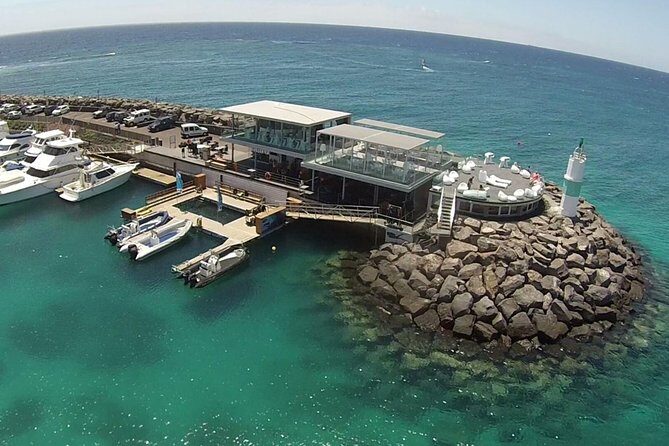
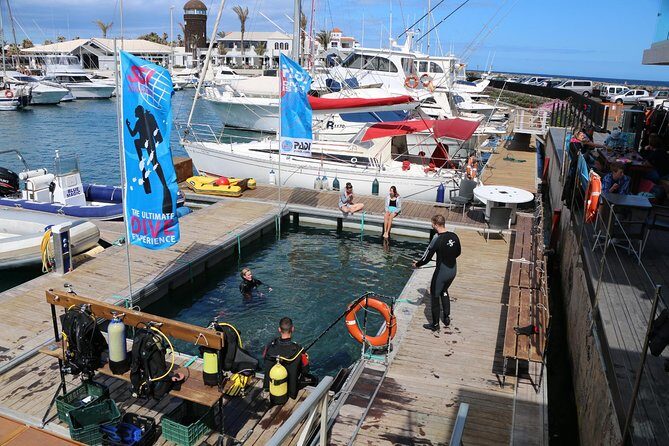
After the theory, you do your first practical training in a swimming pool. This step is gold for first-timers. You get to feel how the scuba setup sits on your body, practice breathing normally through the equipment, and learn the rhythm of the session in a controlled environment.
Why this matters: the ocean is bigger, cooler, and visually distracting in a way that a pool simply isn’t. If you skip pool practice in your head, you might still expect everything to feel simple in open water. But the pool step is what makes the next stage more comfortable.
This pool segment also helps you build confidence before you ever worry about depth or looking for marine life. You’ll be less focused on survival and more ready to enjoy the experience.
The Caleta de Fuste Underwater Part: 6 Meters and Real Marine Fauna
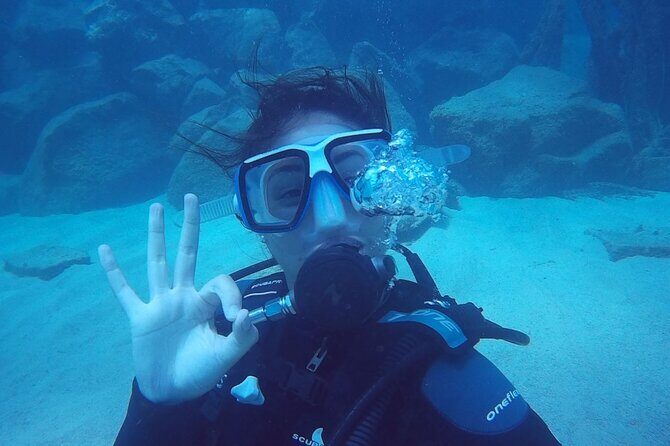
Once you’ve done the pool component, the course moves to the underwater experience in Caleta de Fuste. The day’s training goal is simple: help you see the sea life while staying within the beginner-safe limits. You’ll reach a maximum depth of 6 meters, so you’re not dealing with the deeper end of scuba training.
You should come in curious, not competitive. The best mindset is to follow instructions, check your buoyancy and breathing as you’re taught, and then let your attention float toward what’s around you. In feedback, people mention spotting fish and even an elusive orange sea horse during their session. That’s not something you can schedule like clockwork, but it’s a good reminder that the area can be full of surprises when you’re relaxed enough to look.
You’re also getting the local environment as part of the value. Caleta de Fuste is an accessible destination for a first scuba baptism, and the instructors are there to point out marine fauna during the ocean portion, so you’re not just wearing gear and hoping.
Equipment, Photos, and the “Remember This” Factor
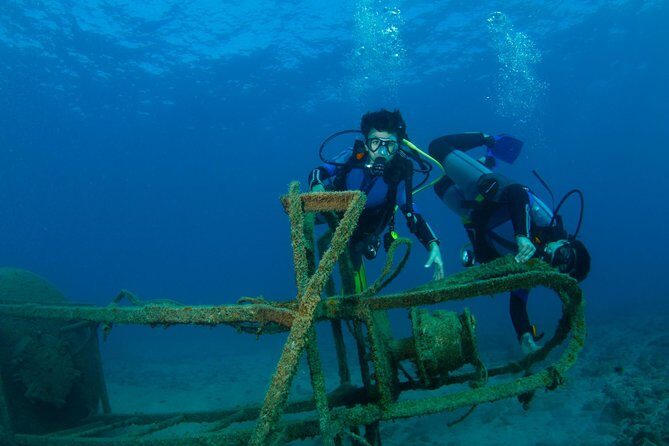
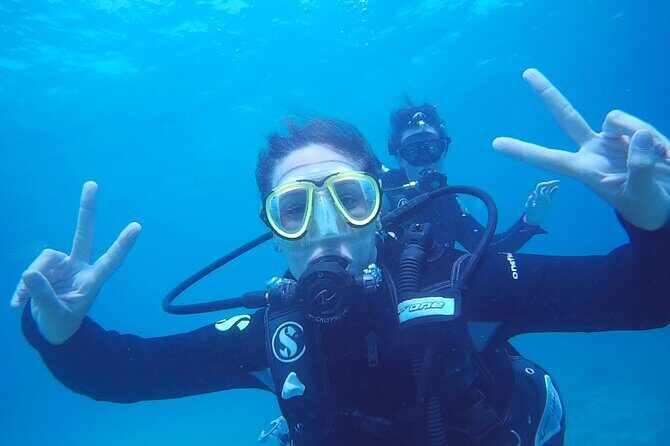
All necessary equipment is included. That’s important because scuba gear isn’t something you want to source on your own when you’re still learning. Having everything provided removes a big stress point and lets you focus on the training.
The other big win is photography. You’ll receive photos of your activity, available for download on the website. For many first-timers, that’s the difference between a good story and a real memory you can share with friends later.
In feedback, people also mention that instructors take photos during the session, and that the team stays attentive while you’re learning. That means you’re not left feeling like you have to constantly manage the camera and the lesson at the same time.
Other Caleta de Fuste tours and rentals in Fuerteventura


Timing and Where You Meet: A Practical Start at 9:30 AM
The start time is 9:30 am, with a duration of about 2 hours (sometimes closer to 2 to 2.5 hours depending on how the session runs). Plan your day like you’re going to be busy for a chunk of your morning—because you are.
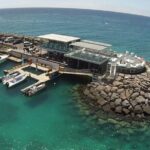
You meet at Deep Blue at the Muelle Deportivo area in Caleta de Fuste (Castillo Caleta de Fuste, Las Palmas, Spain). The activity ends back at the same meeting point. That “back where you started” detail is more useful than it sounds: it makes it easier to grab lunch afterward without needing a second transport plan.
Also note that it’s near public transportation. If you’re staying somewhere in the general resort zone, it should be easy to get there without a complicated ride.
Price and Value: What $120.15 Really Covers
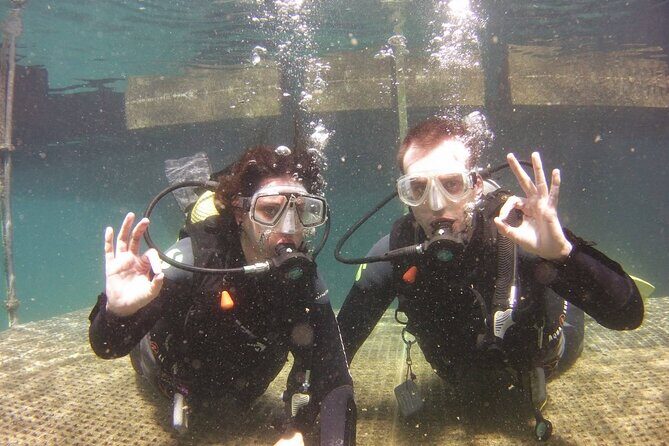
At about $120.15 per person, you’re paying for more than the gear and the water time. You’re paying for instruction, safety coaching, the pool training, the equipment, and the photo package.
If you’ve tried to do beginner scuba activities elsewhere, you know the hidden costs can add up fast: gear rentals, instructor time, and sometimes separate add-ons for photography. Here, it’s built into the experience. For a first-timer on a vacation timetable, that bundled approach is real value.
You also benefit from the small group size (max 8). When the team has room to watch you closely, your learning is smoother and the day feels more supportive. That’s the part that can be hard to quantify until you’re in it.
Who This Course Fits Best (And Who Might Reconsider)
This course fits best if you’re:
- A complete beginner who wants a structured path from basics to water time
- Visiting Fuerteventura and want an experience tied to the Caleta de Fuste area
- Planning a family or group outing where teens can handle training with guidance (many praised it as a family-friendly activity for teens)
- Interested in getting photos without having to manage your own camera setup underwater
There’s also a key planning note: it shouldn’t be done on the same day you’re flying. That’s a serious consideration. Keep a buffer so you can finish the activity, get back to your normal routine, and avoid rushing stress right before travel.
The minimum age is 10 years, so it’s not for little kids who need constant attention. But with proper coaching, it can work well for older kids and teens who are ready for a guided, safety-first activity.
Tips for a Smooth, Confident First-Time Session
You’ll get the most out of the course if you treat it like a lesson, not an adrenaline activity. A few simple choices help:
- Listen carefully during the theory so the hand signals and equipment steps feel familiar later
- Pay attention in the pool, because that practice is what makes the ocean portion more comfortable
- Go into the day calm and rested, because your breathing and comfort matter more than anything
- Keep in mind the session depth limit (max 6 meters) and focus on staying relaxed
Also, choose your day wisely. Since it requires good weather, you might want to plan this earlier in your trip rather than as a last-minute fix.
Finally, if you care about photos, be engaged and cooperative during the training. The instructors who are praised for patience and clarity often have the best eye for capturing the moment without turning the lesson into chaos.
Should You Book This Caleta de Fuste Beginner Scuba Baptism?
I’d book it if you want a guided first scuba baptism that keeps things structured: theory, pool practice, then an ocean experience with a clear depth limit. The biggest reasons to choose it are the beginner-friendly setup and the strong emphasis on safety and patience from instructors like Renne, Juan, and Felicia. Add in included equipment and downloadable photos, and the value feels solid for a vacation activity.
Skip it or reconsider timing if you’re flying the same day. Also, pick a weather-friendly day. Scuba is one of those activities where the sea decides the schedule, and this one is explicitly dependent on good conditions.
If you’re looking for an unforgettable first underwater experience without turning it into a technical project, this is a smart way to do it in Caleta de Fuste.
FAQ
How long does the scuba baptism course take?
It runs for about 2 hours (approximately), and in some cases it may be closer to 2 to 2.5 hours.
What is the maximum depth you will reach?
The training includes a maximum depth of 6 meters.
What is the minimum age to participate?
The minimum age is 10 years.
Is the experience offered in English?
Yes, the course is offered in English.
What’s included in the price?
All necessary equipment is included, and you also receive photos of your dive that are available for download on the website.
Where do we meet for the activity?
You meet at Deep Blue at the Muelle Deportivo area in Caleta de Fuste (Castillo Caleta de Fuste, Las Palmas, Spain). The activity ends back at the meeting point.
What if the weather isn’t good?
This experience requires good weather. If it’s canceled due to poor weather, you’ll be offered a different date or a full refund.