REVIEW · FUERTEVENTURA
Learn to surf on the endless beaches in southern Fuerteventura
Book on Viator →Operated by OTRO MODO Surfschool · Bookable on Viator
Surfing starts with one good wave.
That is the promise here: a beginner surf course in southern Fuerteventura, taught step-by-step with safety guidance, board practice, and instructors actually in the water. I like how the school matches you to surf conditions by level instead of just throwing everyone into the same spot. I also like that you get clear, practical coaching built around the movements that make you stand. One thing to consider: the sea can be work—paddling and carrying boards back is part of the deal, and wind can make first sessions feel tougher than you expect.
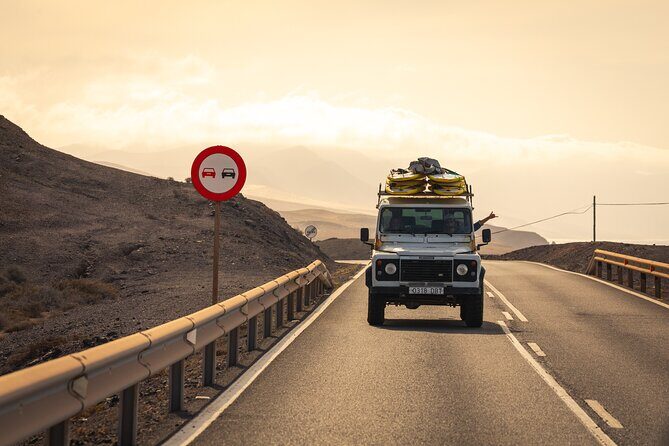
You’ll get a smooth start thanks to pickup in areas like Morro Jable, Jandia, Esquinzo, Butihondo, Costa Calma, La Pared, and La Lajita. The group stays small, with a maximum of 8 people, so you’re not lost in a crowd. After that, you drive to different beaches in the south, chosen for what you can handle that day.
What makes this course feel “real” for first-timers is the training flow: currents and equipment safety first, then warm-up, then dry-land balance and the takeoff movement, and only then your first wave attempts with help right there. If you’re ready to work a bit physically, you’ll likely come away with more confidence than you expected in a single afternoon.
In This Review
- Key things you’ll notice on this surf course
- Southern Fuerteventura is the classroom for your first stand-up
- The first steps: safety, currents, and a takeoff plan you can follow
- In the water with you: how coaching changes your odds
- The four-beach route: Viejo Reyes, Butihondo, Garcey, and Morro Jable’s Faro
- Playa Del Viejo Reyes
- Playa De Butihondo
- Garcey Beach
- Faro De Morro Jable (finish point area)
- Price and value: $68.48 for roughly four hours of coaching
- Pickup and timing: how to keep your surf day stress-free
- Who this course is best for (and who might struggle)
- How to get more from your session: practical mindset and effort
- Should you book this beginner surf lesson in southern Fuerteventura?
- FAQ
- What is the duration of this surf course?
- How much does the surf lesson cost?
- Is pickup available, and where does it cover?
- What is the maximum group size?
- Is it offered in English?
- Do I need to be experienced to join?
- What happens if the weather is poor?
Key things you’ll notice on this surf course
- Small groups (max 8): you get more time with your instructor, not just a quick demo.
- Safety first: currents and how to use the equipment correctly are part of the lesson, not an afterthought.
- Dry practice before waves: board position and takeoff basics help you avoid flailing in the water.
- In-water coaching: instructors push you into waves and help you pick what to ride.
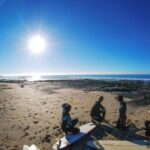
- Multiple south-coast spots: you visit Playa del Viejo Reyes, Playa de Butihondo, Garcey Beach, and end near the Faro de Morro Jable.
- Equipment matched to you: they ask for your height and weight so you get the right gear size.
Southern Fuerteventura is the classroom for your first stand-up
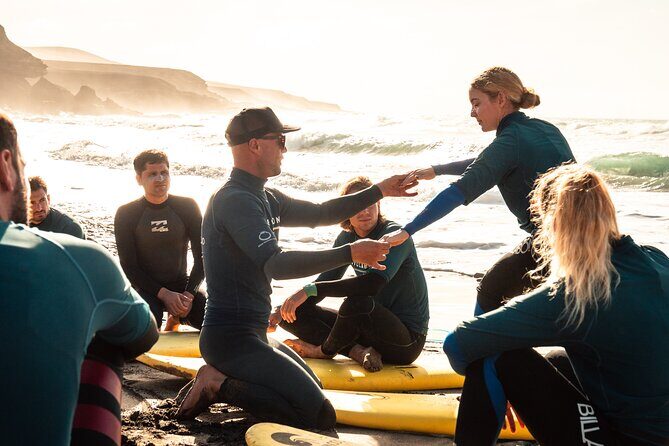
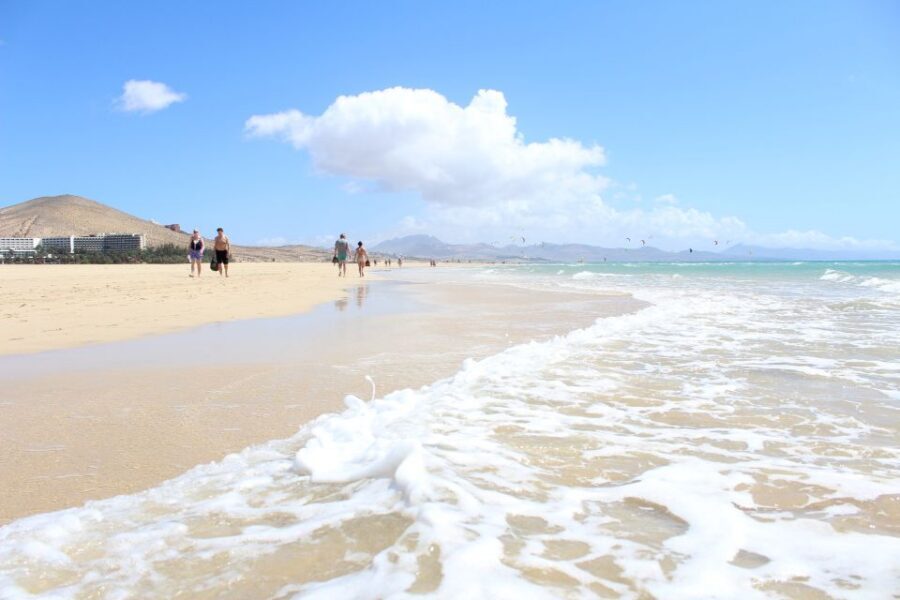
Southern Fuerteventura is built for easy-to-reach surf days. You’re not stuck planning every detail on your own. The course starts by picking you up from your accommodation in places along Jandia and the surrounding south coast, then the team drives to the beach conditions that fit your group.
The key idea here is level-based wave selection. That matters because beginners don’t just need waves; they need the right mix of timing, shape, and effort. Too big and you spend the whole lesson fighting the sea. Too small and you don’t get enough wave attempts to learn the motion of standing up.
This approach also keeps the day from feeling repetitive. Instead of doing the same thing at one spot for four hours, you move across the south coast. The payoff is simple: you’re more likely to get moments where things click—balance on the board, pop up at the right time, and then a short ride that makes the rest of the session feel worth it.
Other surf lessons we've reviewed in Fuerteventura

The first steps: safety, currents, and a takeoff plan you can follow
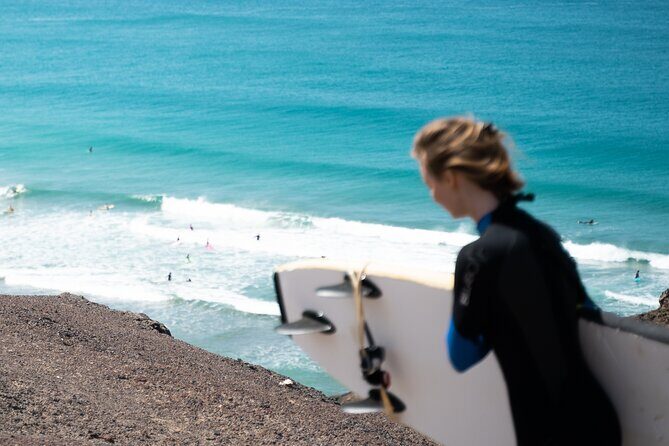
Before anyone gets wet, you cover the important safety basics. The course explains currents and how to handle equipment properly. This is the part I always appreciate in beginner lessons, because it turns surfing from random luck into something you understand. Even a few clear pointers can prevent bad decisions in the water.
Then you do a warm-up and an introduction round. This isn’t just small talk. It helps the instructors see what you’re working with and how comfortable you already are moving in and around the surf equipment.
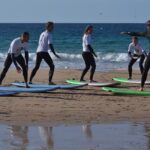
Next comes the dry exercises on land. You practice where to stand on the board and the movement we’d call the takeoff—getting from lying/positioning into the standing posture. This sequence is smart because it cuts down the most common beginner problem: wasting energy trying to figure out foot placement and body motion while you’re already dealing with waves and water.
If you’re learning for the first time, expect this phase to feel a little slow at first. That’s normal. The lesson is basically saying: learn the mechanics on land, then we’ll use the ocean to teach timing.
In the water with you: how coaching changes your odds
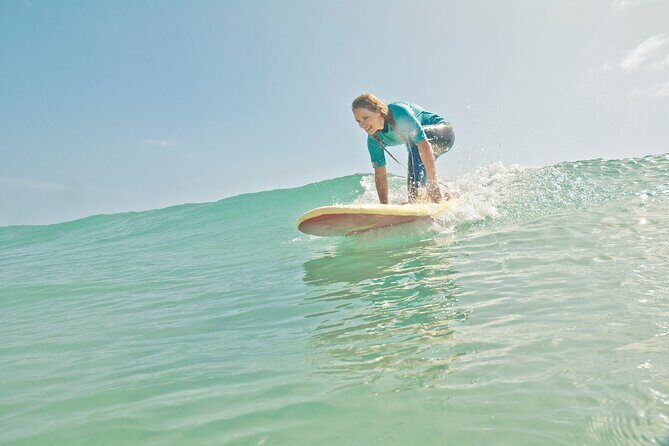
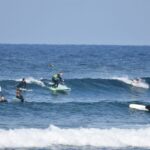
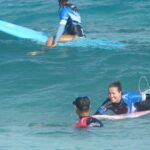
Once you’re ready, the coaching becomes hands-on. The surf instructors are in the water with you. They help you choose the waves, push you into them, and give tips to improve your technique.
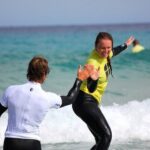
This is one of the most praised parts of the course. In the feedback I’ve seen reflected here, instructors like Jeroen and Gaspard are praised for being both effective and fun. With beginners, that combination matters. You need correction, but you also need your brain to stay calm under effort. A supportive instructor helps you try again after a wipeout without losing your focus.
A realistic note: first lessons can be physically demanding. You’ll paddle, get pushed by wave energy, and carry the board back when needed. If you’re used to walking tours but not ocean work, plan to feel it the next day in your arms and core.
Also, wind can add friction to the learning. One beginner described a windy day as challenging but still super fun. In other words: don’t assume perfect conditions. Go in expecting that some sessions will require patience—and you’ll be pleasantly surprised when it all comes together for even a couple of attempts.
The four-beach route: Viejo Reyes, Butihondo, Garcey, and Morro Jable’s Faro
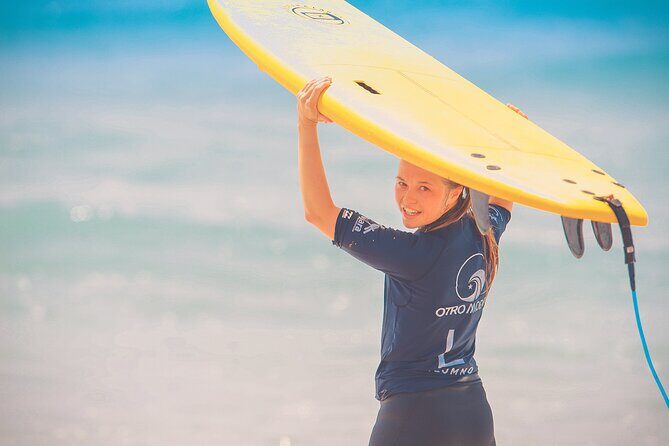
This course uses multiple stops along the south coast, and you’ll feel the benefit of that right away. Instead of being stuck at one shore break, the team works through several beach options during the afternoon.
Playa Del Viejo Reyes
This is the first named beach stop. Think of it as your start line: you get early coaching, settle into the rhythm, and begin linking the dry-land takeoff with what happens when a real wave arrives. A potential drawback: the first stretch can feel like adjustment time, especially if you’re nervous about timing. Give yourself permission to be a beginner here. That’s what this section is for.





Playa De Butihondo
Next you move to Playa de Butihondo. By the time you reach this stop, you’re already familiar with how your body should move, and you’re starting to interpret your instructor’s guidance. The advantage of the multi-spot approach is that it can refresh the wave feel so you’re not repeating the exact same kind of attempt. If one setup is a little harder to read, another can give you clearer chances.
Garcey Beach
Garcey Beach comes third in the flow. At this stage, the lesson often shifts from learning the basics to refining what you tried earlier. Even when you’re still very much a first-timer, you can begin to notice what improves your chances: where you look, how quickly you pop up, and how you keep your weight balanced over the board.
The only “watch out” here is energy. Midway through, the work ramps up: more time on your feet isn’t the only challenge. You’ll also deal with paddling effort and board handling as you move through the afternoon.
Faro De Morro Jable (finish point area)
You end back at the meeting point location, finishing near Faro de Morro Jable. Closing near the lighthouse area makes the day feel like a proper surf loop along the coast: you start with instruction, progress through multiple attempts, and wrap up with a location that’s easy to connect back into your transport plan.
Price and value: $68.48 for roughly four hours of coaching
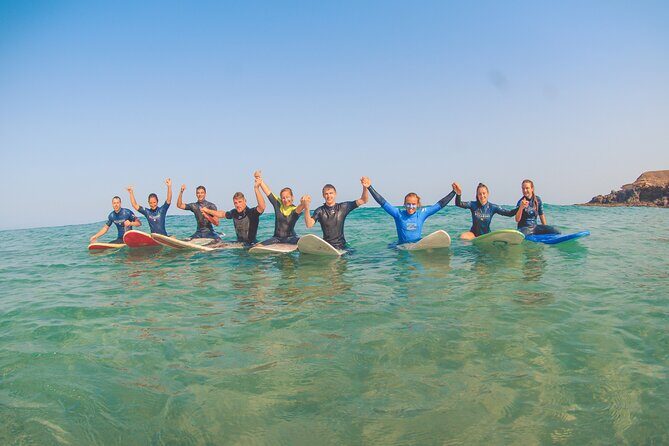
At $68.48 per person for about 4 hours, this course is priced like a serious beginner session rather than a quick “try it once” experience. The value comes from what’s included in the time:
- instructor time in the water, not just from the beach
- safety briefing and currents guidance
- dry-land practice that teaches the movement
- equipment sized to you using your height and weight
A big factor is also small group size. When you’re in a group of up to 8, your chances of getting a correction at the moment you need it go way up. That is what turns a surfing outing into actual progress.
So yes, you pay a fair amount for four hours. But you’re also buying fewer wasted minutes, more coach attention, and a structured path from board basics to first rides.
Pickup and timing: how to keep your surf day stress-free
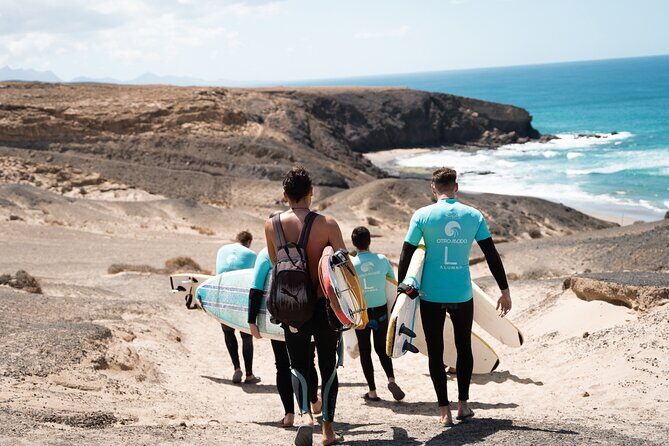
The course is designed for people who want an easy day in the south. Pickup is offered from several areas including Morro Jable, Jandia, Esquinzo, Butihondo, Costa Calma, La Pared, and La Lajita. That means you’re not hunting for parking or worrying about how to get everyone to the right beach.
The meeting point is Av. del Istmo, 18, 35627 La Pared. If you’re getting pickup, you’ll provide details such as your hotel or address and a cell phone number so they can send your pickup time.
One practical tip: when you book, make sure your height and weight are accurate. Surfboards and related gear work best when they’re fitted to you. Correct sizing helps with balance and takeoff practice, which is the heart of this beginner course.
Who this course is best for (and who might struggle)
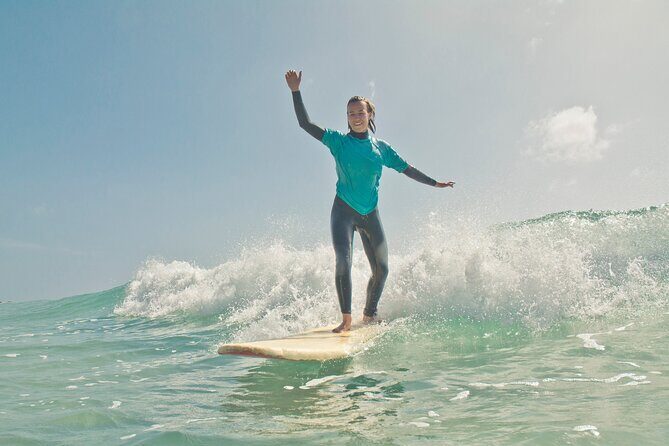
This surf course is aimed at people with moderate physical fitness. That’s an honest requirement. You don’t need to be an athlete, but you should be comfortable with paddling, getting up and down around the board, and handling some ocean effort for a few hours.
It’s also a strong option for kids and families who can follow instructions and stay focused. In one example, a 13-year-old beginner had a great experience with instructors Jeroen and Gaspard and even booked a private lesson after the group course ended.
If you’re an adult who wants the basics without feeling lost, this fits too. The lesson sequence is clear: safety, warm-up, dry training, then water coaching. And because instructors are in the water with you, you’re not stuck figuring it out alone.
How to get more from your session: practical mindset and effort
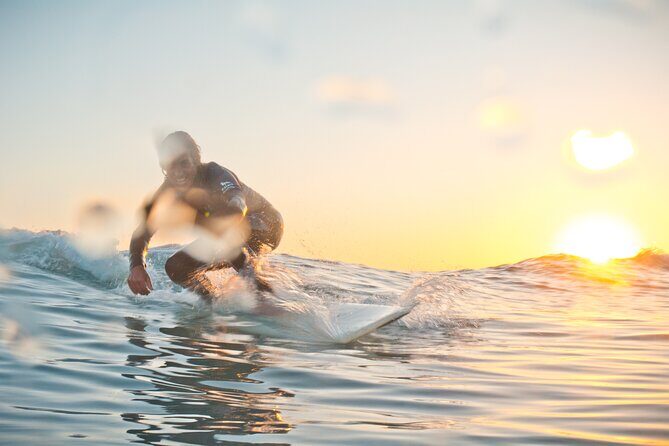
Surf lessons teach technique, but you can improve your odds quickly by managing your own effort. Here are the small things that make a real difference for first-timers:
Bring a do-it-again mindset. First tries will include wipeouts and awkward takeoffs. That’s not failure. It’s data. When your instructor gives a tip, treat it like the next experiment.
Use the dry-land practice. The board position and takeoff movement you learn on land is not filler. When you remember it in the water, your time spent paddling becomes useful instead of chaotic.
Plan for the workout. Carrying the board back is tiring, and one beginner noted that the effort in the sea plus the return carry was hard—but worth it. If you’ve got weak shoulders or you’re coming off a long walking day, take it easy the morning of your lesson.
Expect wind sometimes. One course example described a windy day that felt challenging but still fun. If it happens to you, don’t mentally quit. Focus on small improvements: timing, stance, and how you’re holding your body as you rise.
Should you book this beginner surf lesson in southern Fuerteventura?
Yes, if you want a structured surf lesson that actually teaches. I’d book it if you’re a first-timer who wants safety explained clearly, dry-land practice that sets you up for standing, and instructors in the water who push you into waves and correct your technique.
I might think twice if you know you hate physical effort or you’re expecting a totally relaxed afternoon. This is a real surf workout, and the sea can be demanding. Also, you’ll want decent weather. The course requires good conditions, and if weather is poor, you’ll be offered an alternate date or a full refund.
If you’re staying in the south (around La Pared, Morro Jable, or along Jandia), the pickup convenience alone makes it feel like a good deal. Add small group size and hands-on coaching, and you get a beginner-friendly experience that’s built for progress—not just photo ops.
FAQ
What is the duration of this surf course?
It runs for about 4 hours.
How much does the surf lesson cost?
The price is $68.48 per person.
Is pickup available, and where does it cover?
Pickup is available from accommodation areas in Morro Jable, Jandia, Esquinzo, Butihondo, Costa Calma, La Pared, and La Lajita.
What is the maximum group size?
The group is capped at 8 travelers.
Is it offered in English?
Yes, the course is offered in English.
Do I need to be experienced to join?
The course includes beginner-style instruction such as dry exercises on land for board position and the takeoff movement, and then coached sessions in the water.
What happens if the weather is poor?
This activity requires good weather. If it’s canceled due to poor weather, you’ll be offered a different date or a full refund.