REVIEW · FUERTEVENTURA
Fuerteventura Surfing Experience
Book on GetYourGuide →Operated by Flow Surf Project Fuerteventura · Bookable on GetYourGuide
South Fuerteventura has a great rhythm for learning. This small-group surf session in the south is built around getting you on the board with safe coaching and smart practice, not just standing around watching. You also get to choose between local surf spots like La Pared and Sotavento, depending on conditions and your level.
What I like most is how the day is structured: a short theoretical intro, then plenty of time in the water to work your basics. I also love that the session is designed to match you—beginners get the right material (big boards for balance), and more experienced surfers get new training methods to sharpen technique.
One thing to consider: it’s a sun-and-water activity that requires planning. Bring drinking water, a snack, and your own sun protection, or the whole day can feel harder than it needs to be.
In This Review
- Key things to know before you go
- Why south Fuerteventura works so well for beginners
- Pickup and the real meaning of the 4–12 hour window
- La Pared or Sotavento: how they match you to the wave
- The 3-hour lesson flow: theory first, then lots of reps
- Training methods for safety, not just style
- Small group surf (max 8): the difference you’ll feel
- What’s included (and what you must bring)
- Who this surf lesson fits best (and who it doesn’t)
- Price and value: is $59 worth it?
- Languages and communication on the day
- Should you book this Fuerteventura surfing experience?
- FAQ
- How long is the surfing experience?
- Where does pickup happen?
- What’s included in the price?
- What should I bring with me?
- How big is the group?
- What languages do instructors speak?
Key things to know before you go
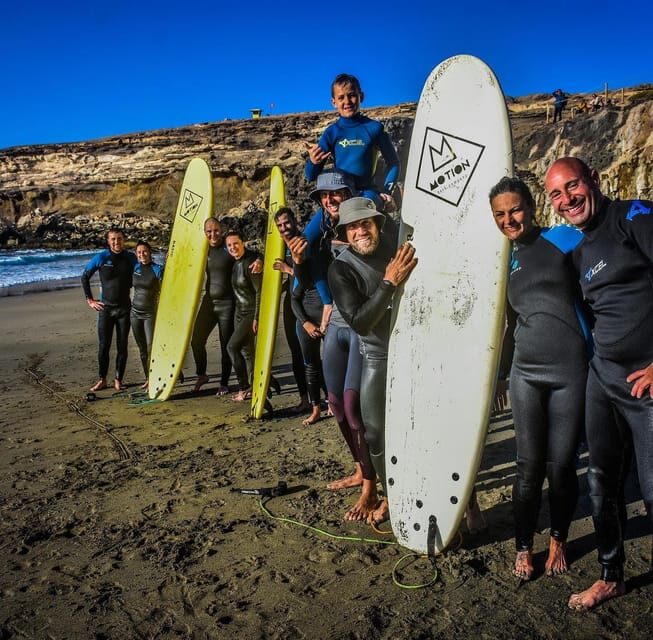
- Small group size (max 8) means you’re not lost in the shuffle.
- 3 hours of surf time is the main event, not a quick taste.
- Board choice for beginners helps you find balance faster.
- La Pared or Sotavento is selected based on conditions and skill.
- Wetsuit + surfboard included, so you start riding sooner.
- Multi-language instructors (French, German, English, Spanish) keep communication clear.
Why south Fuerteventura works so well for beginners
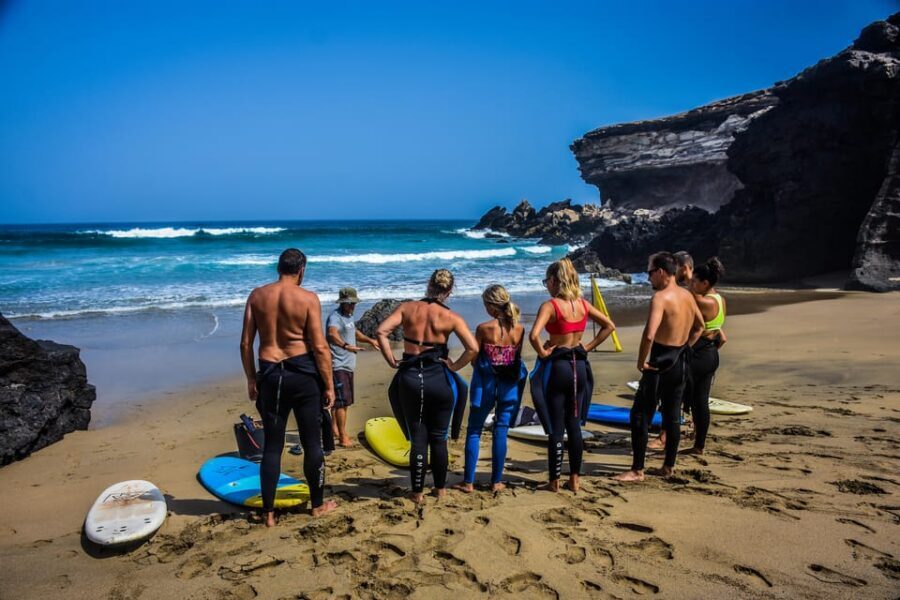
The south of Fuerteventura is where this school points you for a simple reason: learning feels easier when the session is matched to the conditions. Instead of forcing everyone into one spot, the instructors look at what’s working and what fits your skill level, then head to the most appropriate beach—either La Pared or Sotavento.
For you, that matters more than people expect. If the wave setup isn’t right for your level, you spend your time struggling instead of progressing. Here, the goal is a real surfing day with safe coaching and enough successful attempts to build confidence.
And because it’s limited to a small group, the instructor can adapt faster—like adjusting how you position your stance or how you approach your takeoff. You’re not just learning moves; you’re learning how to read the wave as you go.
Other surf lessons we've reviewed in Fuerteventura
Pickup and the real meaning of the 4–12 hour window
The total experience runs 4 to 12 hours, and your exact schedule depends on the starting time and conditions. The good news is that you’re not expected to figure out every step on your own. Pickup is included from the south of the island—areas like Jandia, Costa Calma, La Pared, and Tarajalejo—and it’s done in a Renault Traffic.
If you’d rather handle it yourself, there’s also a meeting point option. Either way, plan to arrive ready to be outside for a while. Even with only 3 hours of instruction in the water, the rest of the time is there for briefing, changing, and traveling to the surf spot.
One practical tip: the longer time window doesn’t mean you’re surfing nonstop. It usually means you’re building the day around the right waves. If you hate waiting around, this might not be your perfect match—but if you want your learning day to be organized, it fits well.
La Pared or Sotavento: how they match you to the wave
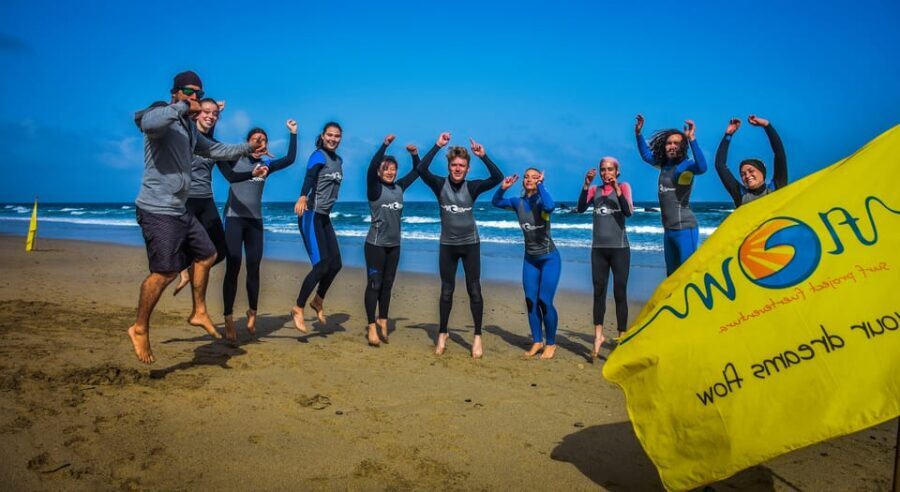
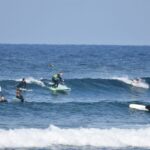
Instead of a one-size-fits-all approach, you’ll head to La Pared or Sotavento depending on conditions and your level. That choice is the heart of why the day feels worth your time. Waves aren’t universal, and “good for surfing” doesn’t automatically mean good for learning.
Beginners benefit most from this. You want a setup where balance is learnable, where you can catch waves you can actually ride, and where the session doesn’t turn into survival. This surf course is adapted to participants, and the instructors bring special material for first-timers—especially bigger boards that make it easier to stay steady and find your footing.
For more experienced surfers, the spot choice still matters, but the difference is focus. They’re not only working on standing up; they’re improving technique with training methods that are especially suitable for surfers with experience. That means less repetition of the same beginner drills and more targeted work.
The 3-hour lesson flow: theory first, then lots of reps
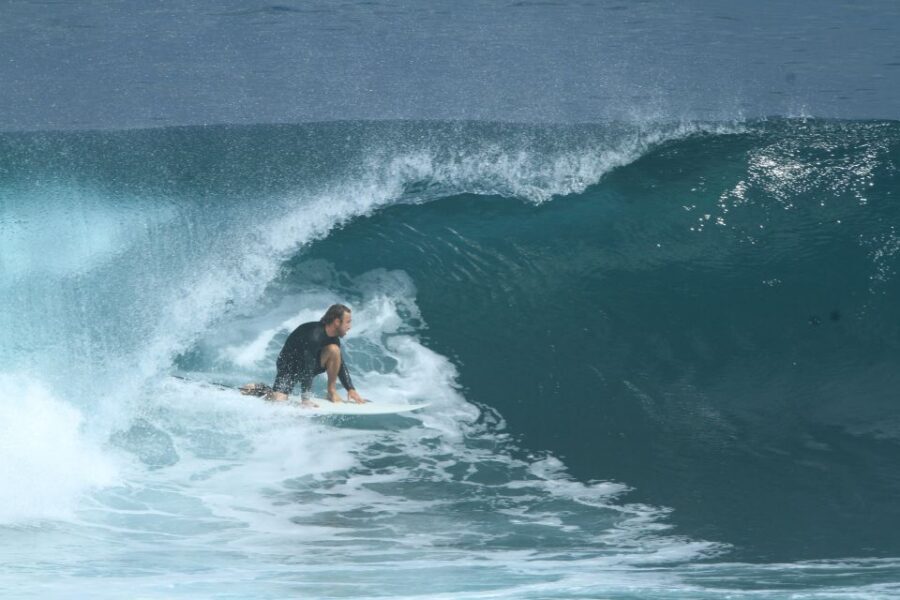
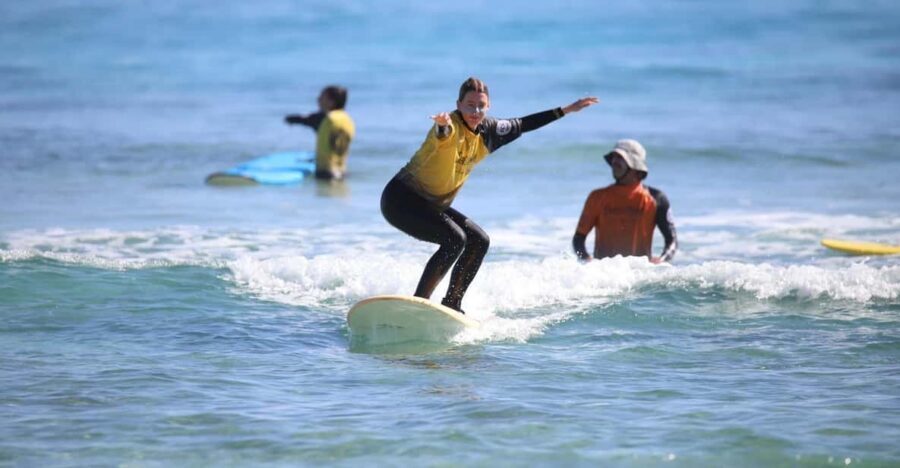
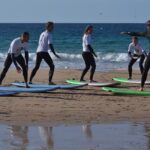
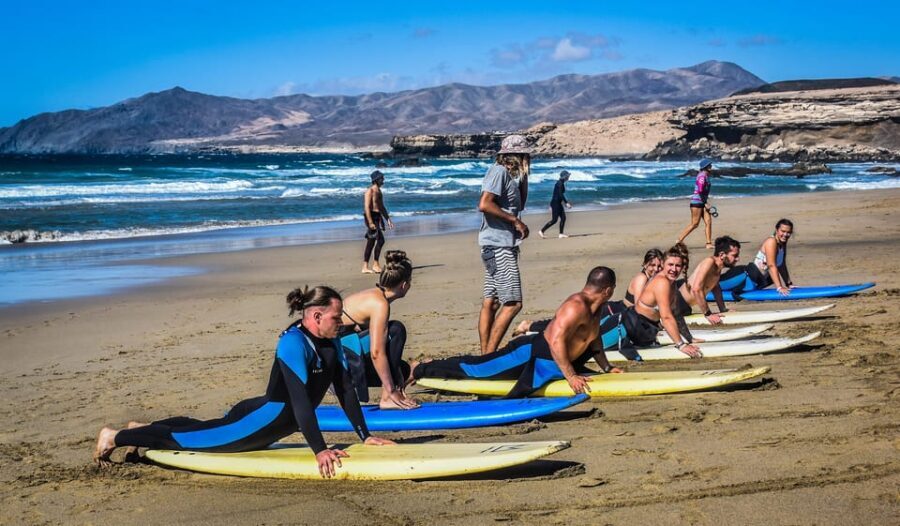
Your session includes a theoretical introduction, then you get right into the water. The teaching sequence is simple and effective: get the key ideas on land, then test them on the next wave. That’s why the day doesn’t stall after the briefing.
A beginner’s version of this is built for quick wins. You’ll start with the right equipment—big boards to help with balance and stability—so you can spend your energy learning rather than constantly getting tossed. The instructors then help you translate what you learned in the theory into movement you can repeat.
If you’re intermediate, expect a different kind of coaching. The information is still there, but the training style shifts toward technique improvement. The course uses new training approaches designed to help you progress safely, so you get more value out of each session.
One detail I appreciate: the day doesn’t treat beginners like they’re in a separate universe. It adapts within the group. That’s why small-group size matters here—your instructor can keep the session moving while still giving you the right level of attention.
Training methods for safety, not just style
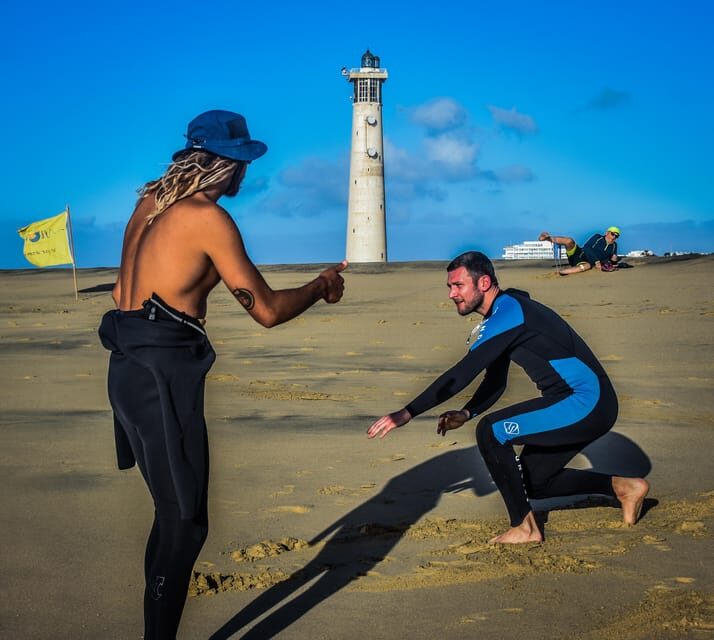
Surf instruction can go two ways: throw you in and hope, or coach you through the fundamentals until you feel in control. This course leans hard toward the safer option. You’ll learn new training techniques that are meant to help you ride safely and understand what you’re doing before you commit to each wave.
You’re also protected by the instructor’s experience—described as years of surf instruction plus new training methods. What that means for you on the day is clearer guidance and faster correction. Instead of watching you struggle for half the session, coaching aims to adjust your approach quickly so you can keep improving.
And yes, it’s still fun. The “good mood” factor isn’t just marketing language—it’s what happens when coaching is organized and people feel capable. When you’re not guessing, you relax. When you relax, you learn faster.





Small group surf (max 8): the difference you’ll feel
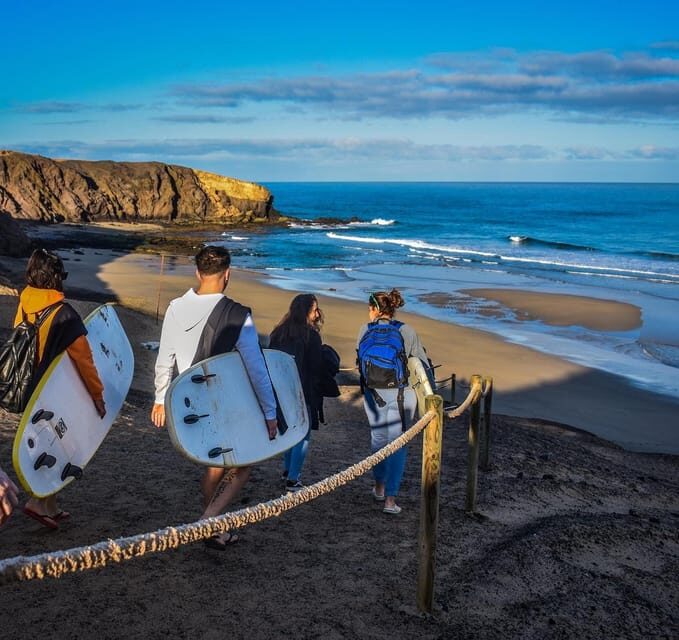
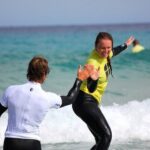
A group capped at 8 participants changes the whole experience. With smaller numbers, instructions can stay specific. You’re more likely to get hands-on feedback, quicker positioning corrections, and clearer next steps.
In a bigger group, you might get a general talk, then a lot of waiting while the instructor checks on others. Here, the session flow is designed around coaching time and time on waves. With only a few people in the water at once, the instructor can keep an eye on technique and safety, not just whether everyone is smiling.
This setup also helps with comfort. You’re learning a skill that can feel awkward at first. A small group makes it easier to ask questions and figure out what you personally should focus on next.
What’s included (and what you must bring)
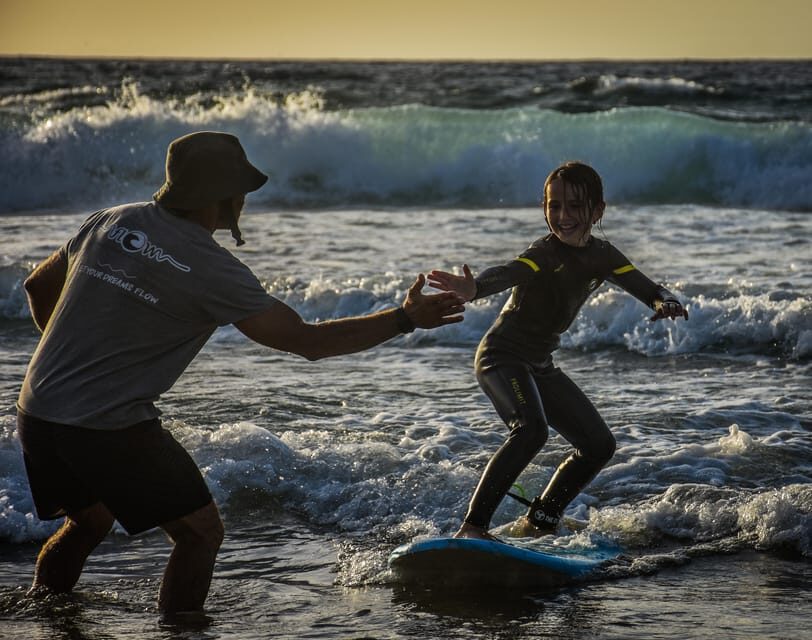
Included in the price:
- Pickup from south island areas (Jandia, Costa Calma, La Pared, Tarajalejo)
- Surf instructor
- Wetsuit
- Surfboard
Not included:
- Drinking water
- Sun protection
That equipment list is a real value point. Surfboards and wetsuits can be costly to rent elsewhere, and carrying them around for a day isn’t fun. Having them provided means you show up and get moving.
For your personal prep, the essentials are clear: bring drinking water, a small snack (like a banana or nuts), suncream, and a sun hat. Also skip alcohol and drugs—those aren’t allowed.
Who this surf lesson fits best (and who it doesn’t)
This experience is not a general “everyone try it” activity. It’s clearly aimed at people who can follow safety guidance and handle being active in the ocean.
Not suitable for:
- Children under 12 years
- Pregnant women
- People with heart problems
- Wheelchair users
- Visually impaired people
- People with recent surgeries
If you’re comfortable with physical activity and want a structured first step into surfing (or a technique-focused session if you already ride), this is a strong match. The course is adapted by surfing level, with the equipment and methods adjusted to help you progress.
If you’re unsure about your fit because of health or mobility concerns, don’t guess. Check with the provider before booking so you’re not walking into something that isn’t designed for your needs.
Price and value: is $59 worth it?
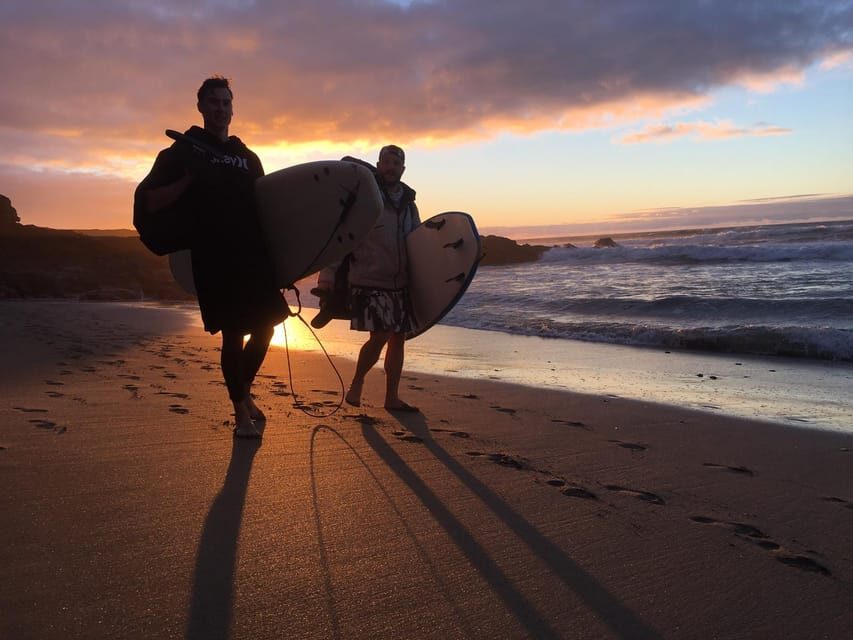
At $59 per person, the value comes from what you actually receive, not just the headline number. You’re getting pickup, a surf instructor, a wetsuit, and a surfboard—plus a focused 3-hour lesson within a full half-day (or longer, depending on the day).
Here’s why that feels fair: you’re paying for instruction and equipment, not just access to a beach. The small group size also adds value. With fewer participants, the coaching can be more attentive, and you spend more of your time practicing rather than waiting.
The main “hidden” cost is really your personal prep: water, snacks, and sun protection are on you. But those are easy to pack, and the activity brief is clear about what to bring.
So overall, if you want a guided, structured surf day in south Fuerteventura with a real lesson component, this price sits in the reasonable zone.
Languages and communication on the day
One small thing that can make or break a lesson is whether you understand the instructions. This experience offers instructors speaking French, German, English, and Spanish.
That matters because surf technique is full of details—stance, timing, how you position on the board, and what to do next. When you can follow the coaching clearly, you improve faster and feel safer in the water.
Should you book this Fuerteventura surfing experience?
I’d book it if you want a small-group surf lesson with a genuine teaching structure: theory, then lots of water time. It’s especially appealing if you’re a beginner and want help balancing on a board designed to make that first day feel possible.
You might think twice if you hate uncertainty in timing (the day runs 4–12 hours) or if sun-heavy outdoor time is tough without planning. This is also not a fit for the listed accessibility and health limitations, so be honest about whether you fall into any of those categories.
If your goal is to leave with better technique, safer habits, and confidence you built through practice, Flow Surf Project Fuerteventura is an easy yes.
FAQ
How long is the surfing experience?
The total experience lasts 4 to 12 hours, and it includes a 3-hour surf lesson.
Where does pickup happen?
Pickup is included in the south of the island, including Jandia, Costa Calma, La Pared, and Tarajalejo. You can also go to the meeting point on your own.
What’s included in the price?
The experience includes an instructor, wetsuit, and surfboard, plus hotel pickup in the south.
What should I bring with me?
You should bring drinking water, a small snack, and sun protection (suncream and a sun hat).
How big is the group?
The group is small and limited to 8 participants.
What languages do instructors speak?
Instructors speak French, German, English, and Spanish.