REVIEW · FUERTEVENTURA
Fuerteventura: Discovery Tour
Book on GetYourGuide →Operated by Canary Trip Booking · Bookable on GetYourGuide
A day in inland Fuerteventura beats the coast. This full-day Discovery Tour links aloe farms, small villages, and big viewpoints into one smooth island circuit. You’ll leave the resort strip and see why Fuerteventura has such a different rhythm.
I especially love the visit to Casa Santa Maria, a renovated 17th-century farmhouse with traditional crafts. I also love the chance to see agave and aloe plantations up close, then connect those plants to everyday island life.
One thing to keep in mind: the day is busy, with village stops that can feel a bit tight, plus some walking on uneven ground. So plan around that with comfortable shoes.
In This Review
- Key highlights at a glance
- Fuerteventura away from the beach: why this 8-hour tour is worth it
- Getting started in Corralejo and Caleta de Fuste (plus the rest of the pickup)
- Tiscamanita plus aloe and agave: the island’s practical side
- Pájara and its Aztec-style church facade: short, sweet, and memorable
- Betancuria and Casa Santa Maria: crafts in a renovated 17th-century farmhouse
- Lunch timing on this full day: tasty, but plan your hunger
- Mirador de los Guanches: the viewpoint that makes the whole day click
- Oliva and the House of the Colonels: finishing with a big panorama
- Tour guide energy and languages: what to expect when stories travel
- Who this tour suits (and where it may not fit)
- Price and value: what you’re paying for at $73 per person
- Should you book the Fuerteventura Discovery Tour?
- FAQ
- How long is the Fuerteventura Discovery Tour?
- Where does pickup happen for this tour?
- What languages is the live guide available in?
- Is lunch included?
- Does the tour include entry to Casa Santa Maria?
- Is the tour wheelchair accessible?
- Are pets allowed on the tour?
Key highlights at a glance
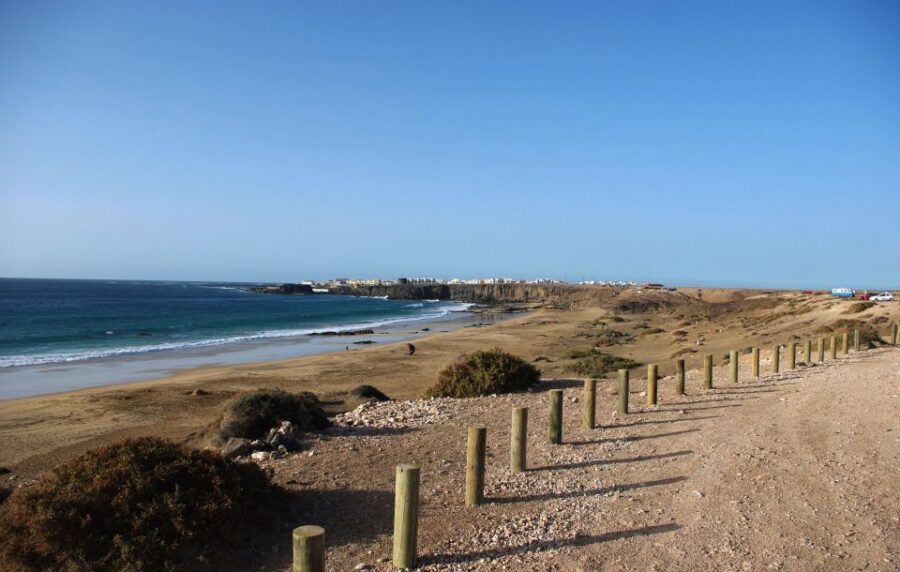
- Casa Santa Maria entry inside a renovated 17th-century farmhouse
- Aloe vera + agave plantations with time to learn and try local products
- Tiscamanita, Pájara, Betancuria villages that show how the island actually lives
- Pájara church with an Aztec-style facade and photo-friendly viewpoints
- Mirador de los Guanches for sweeping north-coast perspectives
- Traditional lunch included (and some reports include wine on the table)
Fuerteventura away from the beach: why this 8-hour tour is worth it
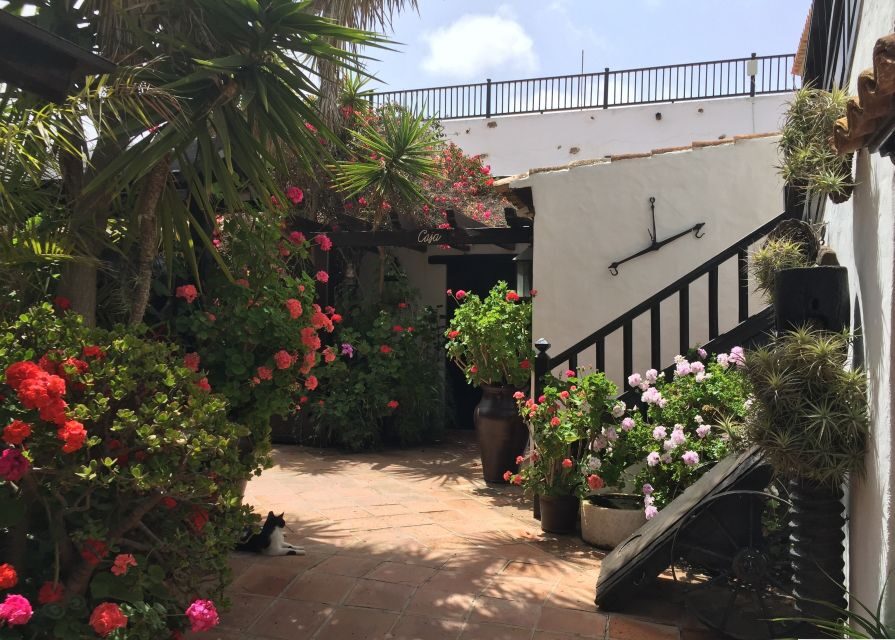
If you only stay near the coastline, you miss the island’s harsher, more honest side. This is the type of trip that gives you a real sense of place: dry terrain, inland villages, and the plants that thrive here. The driving isn’t for show either. It’s how you get to the parts of Fuerteventura that most first-timers never reach on their own.
The format helps. A comfortable air-conditioned bus does the heavy lifting, while a professional guide keeps the day from turning into a list of places you barely understand. You end up with stories you can actually repeat later, instead of just photos.
Best of all, the stops are varied. You get countryside learning (aloe and agave), village atmosphere (Pájara and Betancuria), and then the pay-off: viewpoints like Mirador de los Guanches.
Other island highlights and grand tours in Fuerteventura
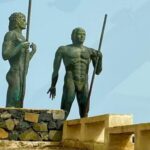
Getting started in Corralejo and Caleta de Fuste (plus the rest of the pickup)
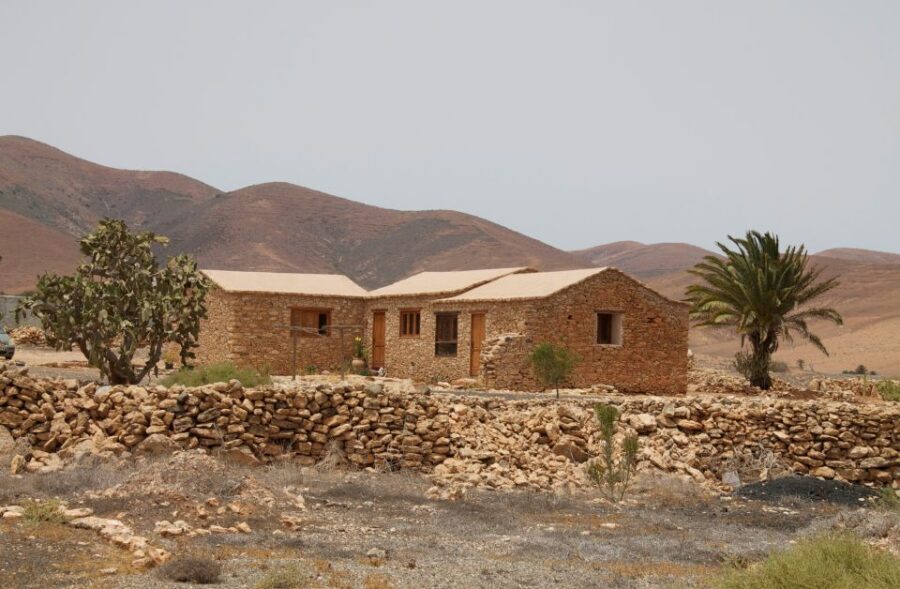
The tour runs from the north side of Fuerteventura, with pickup options in Corralejo and Caleta de Fuste listed in the important details. The overall tour description also includes Cotillo as a departure option, and either way you’ll get the exact pickup point and time by email from the provider.
In practice, this matters because it affects how smoothly the day begins. A scheduled hotel pickup saves you from figuring out local bus routes or paying for taxis just to reach a meeting point. And because it’s a bus trip, you can arrive with your daypack and settle in.
The bus experience itself gets positive mentions. People talk about a comfortable coach and an excellent driver, which is not a small deal on Fuerteventura’s winding roads. Even if you’re not nervous on curvy routes, you’ll appreciate the steadier pace once the road starts climbing.
Tiscamanita plus aloe and agave: the island’s practical side
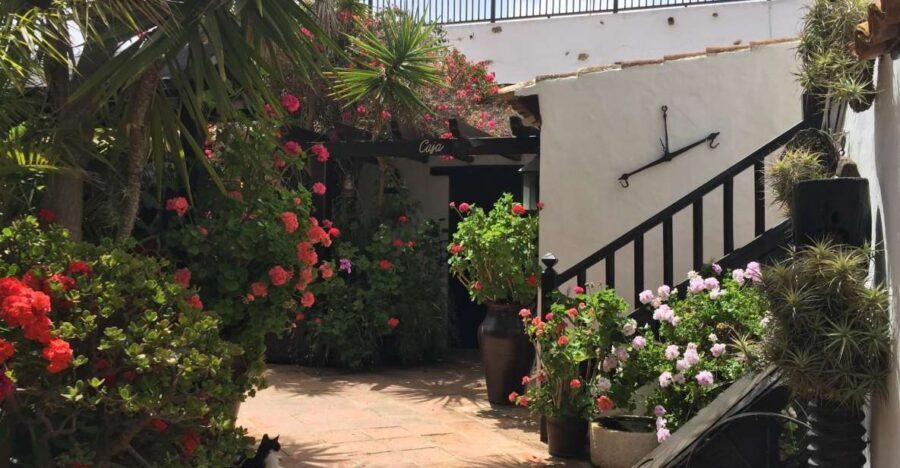
Your day kicks off with a stop in the smaller village of Tiscamanita. This is the kind of place where you’re not just looking at a landmark from the bus window. You get a chance to step out, take in the village feel, and understand the island’s scale before heading deeper inland.
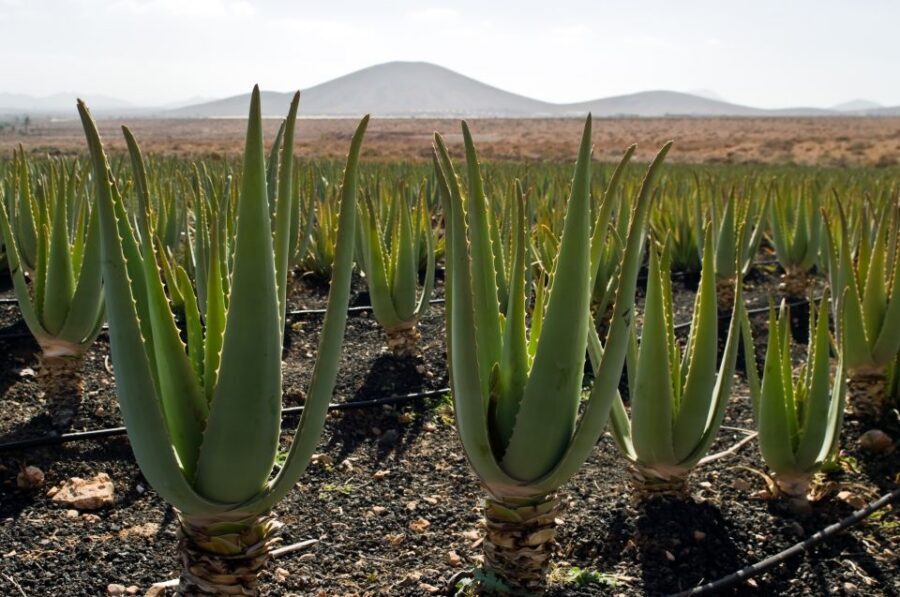
Then comes the plant part of the day, and it’s the most unique angle of the itinerary. You’ll stop at an aloe vera plantation and see agave plantations as well. Fuerteventura isn’t just postcard scenery. These plants are part of the island’s economy and identity, and this stop turns that idea into something you can point to.
One especially useful detail: there’s time connected to the aloe products themselves. Reports from the trip describe an aloe visit where people could try the products that are made there, and you can also purchase them if you want. That makes the learning feel less abstract. You’re not just told about benefits, you get to experience what’s for sale and what the operation looks like.
If you like a day that mixes culture with practical island life, this section is the heart of the tour.
Pájara and its Aztec-style church facade: short, sweet, and memorable
Next up is Pájara, described as a small oasis-like village sitting among barren mountains. That contrast is part of why it stands out: you go from dry, open terrain to a village pocket with buildings and a sense of shelter.
The big moment here is the church with a distinctive Aztec-style facade. Even if you’re not a serious architecture person, you’ll likely enjoy it because it looks different from the typical church fronts you see elsewhere in Spain. It’s also an easy photo target, and the facade gives you a quick, memorable visual to anchor the stop.
Time is one thing to watch. One set of reports notes that the Pájara stop can be around 30 minutes. That’s enough for photos and a short wander, but not enough to fully settle in with a long café break or a deeper walk beyond the main areas.
So if you tend to get antsy when stops feel brief, you’ll want to keep expectations realistic. If you like quick hits with great views, this pace works.
Betancuria and Casa Santa Maria: crafts in a renovated 17th-century farmhouse
Betancuria is where the day starts to feel more historic and more grounded. It’s a smaller, quieter village compared to the coast towns, and it helps you slow down slightly after the earlier plant-focused stop.
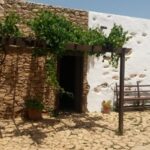
The standout here is Casa Santa Maria. You get an entry ticket to this renovated 17th-century farmhouse, and the visit centers on traditional crafts made by inhabitants of the island. This is a strong choice for a day tour because it doesn’t just show you something old. It shows you how people lived, worked, and created.
Why I like this stop for first-timers: it’s a bridge. You learn something tangible about island life, and then you can connect it later to what you’ve already seen in the villages and plantations. It gives context that pure sightseeing often misses.
One timing note to keep in mind: the Betancuria stop has been described as roughly 45 minutes in at least one account. That means Casa Santa Maria time is likely focused and guided, not leisurely. If you’re the type who loves slow browsing in craft spaces, you might wish you had more time to wander deeper.
Still, for the overall cost and the full-day routing, it’s one of the best single “value per minute” stops on the itinerary.






Lunch timing on this full day: tasty, but plan your hunger
Lunch is included and described as traditional. Some accounts mention a multi-course meal and even wine on the table. Other drinks can be purchased separately, which is helpful if you want something non-alcoholic or you prefer to order instead of accepting what comes with the set meal.
Here’s the practical part: lunch timing can land toward the later side of the afternoon for some groups. One report mentioned being served around 2:30 pm if you ended up eating later in the lunch flow. If you’re an early eater, that could feel like a long wait after the morning touring.
My simple advice: bring a snack you like just in case, especially if you wake up hungry or you’re sensitive to long gaps between meals.
Dietary note, too. One account specifically flagged that if you’re vegan or vegetarian, the options might feel limited. Since the menu details aren’t guaranteed in the provided tour info, I’d treat this as a heads-up: if your diet is strict, consider eating a bit before you board or pack something small to tide you over.
Mirador de los Guanches: the viewpoint that makes the whole day click
After lunch, the tour heads toward the north with a key scenic stop: Mirador de los Guanches. This is where the day earns its breath. You’re not just looking at a town or a building now. You’re getting broad views that make the island’s shape and distance feel real.
Viewpoints matter on a bus tour because they help you mentally stitch the route together. When you see the terrain from above, the earlier stops start to make sense: why villages sit where they do, why roads twist where they do, and why the island’s dry character is such a defining feature.
The best part is that this stop feels like a reward rather than another chore. You’ll likely get time to pause, take photos, and just watch the light shift. If you care about getting good shots, aim to be ready with your phone/camera before you park, so you’re not fumbling while everyone else is moving on.
Oliva and the House of the Colonels: finishing with a big panorama
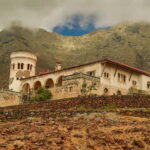
The last major stop is Oliva, where you’ll have panoramic views of the House of the Colonels. It’s described as the former residence of the island’s authorities, so it adds a historical layer to the final stretch.
This final viewpoint works well because it closes the loop. Earlier you learned about crafts at Casa Santa Maria and practical island life through aloe and agave. Then you finish with a location that speaks to power and governance. It’s a nice contrast: the island isn’t just farms and churches. It also has its political story.
If you like ending your day somewhere visually dramatic, this part does the job. Plan to give yourself an extra minute to get your bearings, because buses move on once everyone has had their photo time.
Tour guide energy and languages: what to expect when stories travel
The guide plays a huge role in whether this feels like a “proper trip” or just a drive with stops. This one includes a live guide in Spanish, English, German, and French.
In other words, the same story has to land through multiple languages, which affects timing. One account mentioned that when the guide spoke in three different languages, some people might pass what the guide was talking about before their language turn came. That’s not a deal-breaker, but it is a real consideration if you hate missing details.
So if you want to catch everything, do what works: pay attention during the language you hear, then watch the landmark itself. Don’t wait for your specific language to start recognizing the view.
Guide names show up in reports too, like Jane and Roger, and people consistently describe them as friendly and informative. Even if you don’t get the same guide, the setup stays the same: you’re getting a real guide, not just a driver pointing you toward photos.
Who this tour suits (and where it may not fit)
This is a strong fit if you want a guided day that covers several distinct sides of Fuerteventura without renting a car. It’s also a good choice for first-time visitors who want inland villages plus a viewpoint finale. The bus makes it easy to see a lot in a single day and keep logistics simple.
It’s less ideal if you need wheelchair access. The tour is unfortunately not wheelchair accessible based on the provided information. Also, there is some walking involved, so if you’re limited on mobility, you should consider your comfort level with uneven ground and short village walks.
If you’re the type who likes slow, long café hangs in every town, the stop timing might feel a little tight. But if you’re comfortable with a “see a lot, move on” schedule, you’ll probably enjoy the energy.
Price and value: what you’re paying for at $73 per person
At about $73 per person for an 8-hour guided tour, the value comes from how the inclusions stack up. You’re paying for transportation on a comfortable air-conditioned bus, a professional guide, lunch, and even an entry ticket to Casa Santa Maria.
That combination matters. Without a tour, getting to these inland villages, fitting in a meaningful lunch, and paying for entry would likely add up quickly once you include taxis or rental logistics. The tour also saves you the mental work of planning drive times and route order, which can be the difference between a day that feels easy and one that feels like chores.
This price is also easier to justify because the itinerary hits multiple “reasons to go” in one day: agriculture (aloe and agave), villages (Tiscamanita, Pájara, Betancuria), and viewpoints (Mirador de los Guanches and Oliva).
Should you book the Fuerteventura Discovery Tour?
I’d book this if you want an efficient inland day with guided context and a mix of villages, crafts, and viewpoints. It’s especially appealing if you’re staying near Corralejo, Cotillo, or Caleta de Fuste and you don’t want to deal with self-drive logistics.
Skip it or think twice if you’re sensitive to walking, need wheelchair-friendly access, or you’re relying on very specific vegan/vegetarian meals. Also, if you hate short stop times, the village pacing may feel a bit rushed.
If you’re okay with a full, active day and you want the island beyond the beach, this one is a solid pick.
FAQ
How long is the Fuerteventura Discovery Tour?
The tour lasts 8 hours.
Where does pickup happen for this tour?
Pickup is included from hotel locations or the nearest bus stop in the north, including Corralejo and Caleta de Fuste. The overall tour description also lists Cotillo as a departure area, and you’ll receive the exact pickup point and time by email.
What languages is the live guide available in?
The live tour guide speaks Spanish, English, German, and French.
Is lunch included?
Yes. Lunch is included as part of the full-day tour.
Does the tour include entry to Casa Santa Maria?
Yes. Entry ticket to Casa Santa Maria is included.
Is the tour wheelchair accessible?
No. The tour is not wheelchair accessible.
Are pets allowed on the tour?
No. Pets are not allowed.