REVIEW · FUERTEVENTURA
Fuerteventura: Full Day Tour with Lunch
Book on GetYourGuide →Operated by Canary Trip Booking · Bookable on GetYourGuide
First time you see Fuerteventura from the road, it clicks. This full-day south-to-north tour strings together the island’s most interesting villages and natural stops, with time to look, photos to take, and a proper lunch to recharge. It’s built for people who want culture and scenery without micromanaging buses or tickets.
I especially like the way the route mixes Pájara, Betancuria, and Oliva with hands-on style stops like the aloe vera production visit. The Casa Santa María ticket also matters here, because it turns a simple photo stop into a real window on local life and collecting habits from earlier times.
One consideration: it’s a timed day on the bus, so if you dislike time pressure, plan to roll with a schedule and enjoy the stops in bursts rather than wandering for hours.
In This Review
- Key things to love about this Fuerteventura day tour
- South Fuerteventura to the Island’s “Other Side” in One Day
- Pájara: Church Views and an Aztec-Style Facade
- Tiscamanita and the Aloe Vera Production Plant
- Betancuria and Casa Santa María: A 17th-Century House with Island Memory
- Traditional Lunch En Route: The Recharge You Actually Need
- Mirador de los Guanches: A Viewpoint Stop That Changes the Mood
- Oliva and the House of the Colonels: Panoramic Views with a Past
- Corralejo Dunes: White Sand, Beach Air, and a Film-Famous Setting
- Price and Value: Why $73 Can Be a Good Deal Here
- Logistics That Affect Your Day (Pickup, Timing, and Pace)
- Who This Tour Suits Best
- Should You Book This Fuerteventura Full Day Tour?
- FAQ
- How long is the Fuerteventura full day tour?
- What’s included in the price?
- Where is pickup offered?
- What languages are the live guides?
- Is lunch included, and can dietary needs be handled?
- Is this tour suitable for wheelchair users?
Key things to love about this Fuerteventura day tour
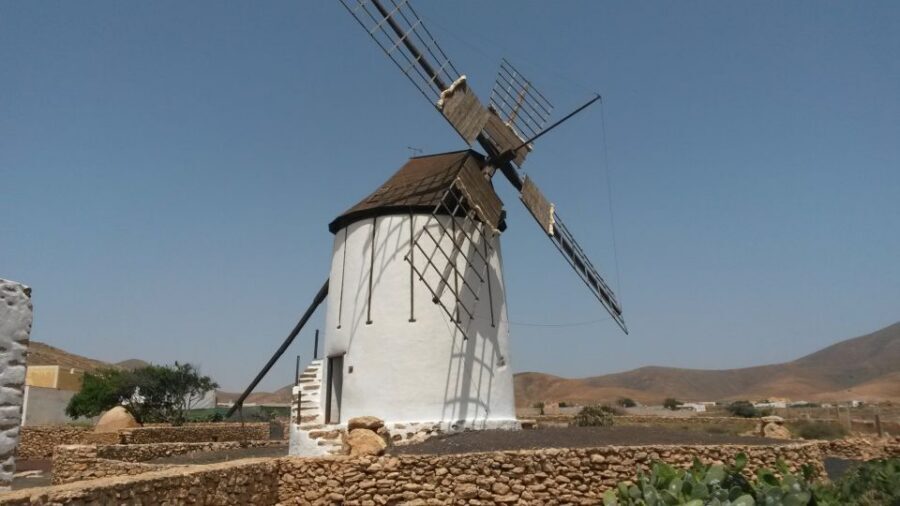
- Village hopping without stress: Pájara, Betancuria, and Oliva each bring a different feel.
- Aloe vera that makes sense: you’ll see how it’s produced, not just hear the word.
- Casa Santa María has context: a renovated 17th-century farmhouse that focuses on island samples and customs.
- Corralejo dunes photo stop: a memorable beach setting with film-fame connections.
- A real lunch stop: traditional food that keeps the day enjoyable, not rushed.
South Fuerteventura to the Island’s “Other Side” in One Day
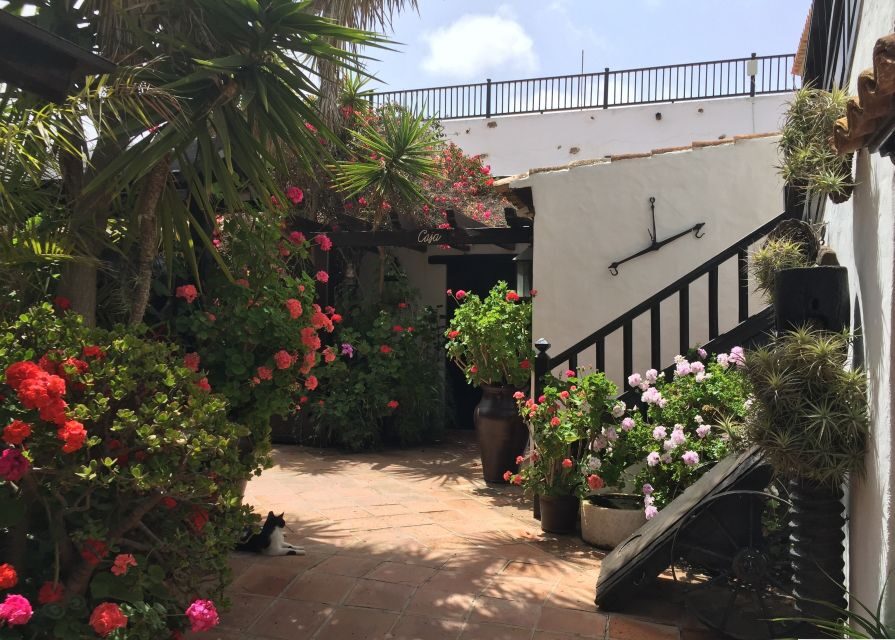
This is the kind of tour that helps you get your bearings fast. You start from the south—pickup from Jandía or Costa Calma—then work north in an air-conditioned bus. Eight hours sounds like a lot, but on an island like Fuerteventura, that’s what it takes to string together real variety: villages, viewpoints, an aloe stop, and the famous dune area.
The best part is that it doesn’t ask you to be an expert. You don’t need to plan drives between far-flung towns. You just show up, wear comfortable shoes, and let the route do the heavy lifting.
And because there’s an official guide (speaking English, Italian, and French), you’re not left guessing what you’re seeing. One guide named Maria is specifically praised for being excellent across multiple languages, which is a nice hint that communication isn’t treated like an afterthought.
Other island highlights and grand tours in Fuerteventura
Pájara: Church Views and an Aztec-Style Facade
Your day begins heading toward Pájara, described as a small oasis surrounded by barren mountains. That contrast matters. Fuerteventura can look stark from a distance, but Pájara gives you a more human scale—streets, church views, and a sense of community tucked into an unusual setting.
The highlight in this stop is the church view, including a façade with Aztec-style design elements. It’s the kind of detail you might miss if you’re rushing through town on your own. Here, you’re given a reason to look up and notice architecture, not just buildings at street level.
How long you’ll have here isn’t spelled out, so treat it as a town-and-view stop, not a long hangout. If you enjoy quick cultural snapshots, it fits. If you prefer slow, hours-long wandering, the day will feel more like a series of well-chosen checks than a single deep session.
Tiscamanita and the Aloe Vera Production Plant
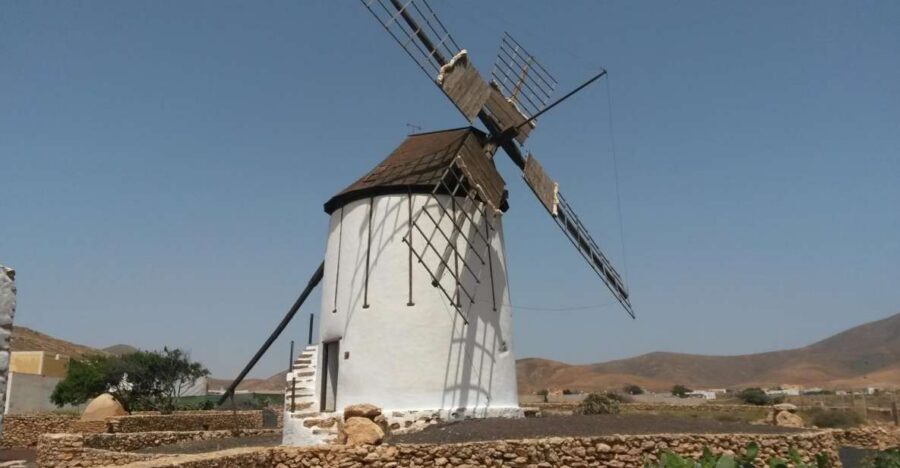
Next comes Tiscamanita, with a stop at an aloe vera production plant. This is where the tour becomes more than scenic. Aloe vera is common in shops, but the production visit helps connect the product to what’s growing on the island.
You’ll have a chance to see where the aloe product is created from agave plants. That detail is a big deal for your understanding. It turns aloe from a trendy bottle on a shelf into something rooted in local agriculture and processing.
You should go into this part with one mindset: you’re here to learn the logic of the island’s materials. Don’t expect a hands-on lab experience unless it’s clearly stated in your guide’s explanation, but expect good explanation and a clearer picture of the aloe supply chain.
This is also one of the stops that tends to get positive comments. People like the focus and the fact that it adds a practical angle to the day.
Betancuria and Casa Santa María: A 17th-Century House with Island Memory
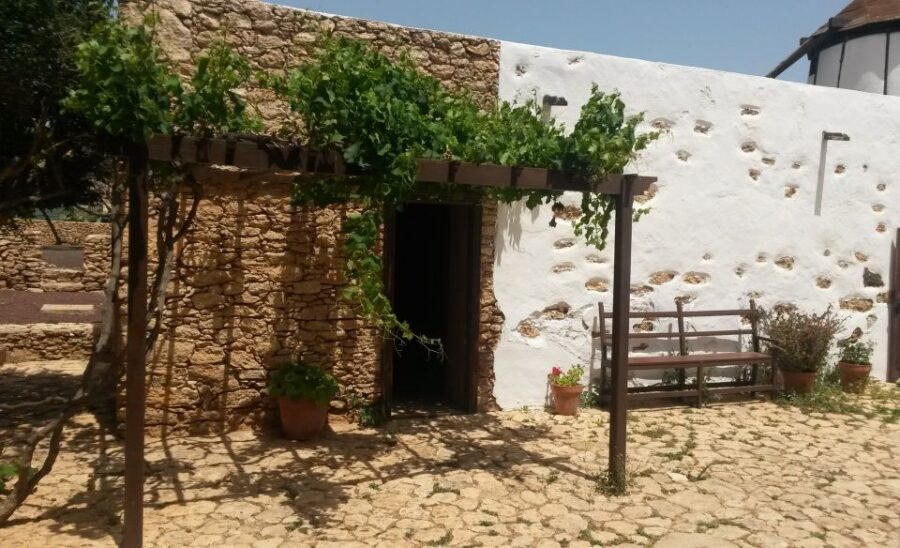
Then you roll into Betancuria, one of the island’s key historic towns. The main draw here is a visit to Casa Santa María, described as a wonderfully renovated 17th-century farmhouse.
What makes this stop valuable is what the house is trying to preserve and show: samples and customs tied to the island’s inhabitants. Even if you’re not the type to love museums, a place like this works because it’s anchored in a specific setting—a traditional home—and it focuses on what people collected, used, and valued.
This is also included via a ticket to Casa Santa María, which you’d otherwise have to pay for separately. For many visitors, that’s a straight value win: you get admission without having to research opening times or figure out how to reach the site on your own.
If you like photography, the architecture and renovation details can give you good pictures too. Just remember this portion still competes with other timed stops, so the visit is best for people who like to see a lot rather than stay until the last minute.
Traditional Lunch En Route: The Recharge You Actually Need
Lunch is served as you travel to the next destination, with traditional dishes waiting for you. This is one of those simple inclusions that matters more than people expect. If you’ve spent even part of a day moving between villages, you’ll appreciate not having to hunt down food or decide where to eat at the worst possible moment.
The tour also notes that dietary preferences can be catered to with notice, which is helpful if you’re not eating everything. You’ll want to flag your needs ahead of time so they can plan.
Keep your expectations realistic: the day moves, so lunch is a reset, not a long sit-down feast. Still, the consistent praise for the meal suggests it does its job—good food at the right time, so the afternoon doesn’t feel like an endurance test.
A few more Fuerteventura tours and experiences worth a look




Mirador de los Guanches: A Viewpoint Stop That Changes the Mood
After lunch, you continue passing the Mirador de los Guanches on your way north. A viewpoint stop is more than a photo break. It shifts the day’s tone from village life to the bigger story of the island’s terrain.
The name matters because it links the view to the island’s earlier identity, tied to the Guanches. Even without a long explanation, the viewpoint setting helps you understand why Fuerteventura looks the way it does: wide horizons, dry textures, and a sense of distance that you can’t fully grasp from a single town street.
You might find that these mid-afternoon viewpoint moments are when the group is most relaxed—less “where are we going next” and more “look at this.” Just bring a little patience: you’ll likely be stopping briefly, then back onto the bus.
Oliva and the House of the Colonels: Panoramic Views with a Past
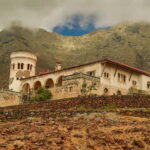
Next is Oliva, with a panoramic view of the House of the Colonels, a former residence of the island’s authorities. This stop gives you a historic thread, but it’s still grounded in what you can see—views and a sense of place rather than pure facts.
Why I like stops like this: they help you connect what you saw earlier (church architecture, farmhouse history) to something broader. You’re not just learning names; you’re seeing how power and community shaped settlement patterns.
Again, it’s likely a viewpoint-plus-look kind of stop. If you’re the type who wants to go deep in every location, you won’t get that. But for a full-day tour, it’s a smart balance.
Corralejo Dunes: White Sand, Beach Air, and a Film-Famous Setting
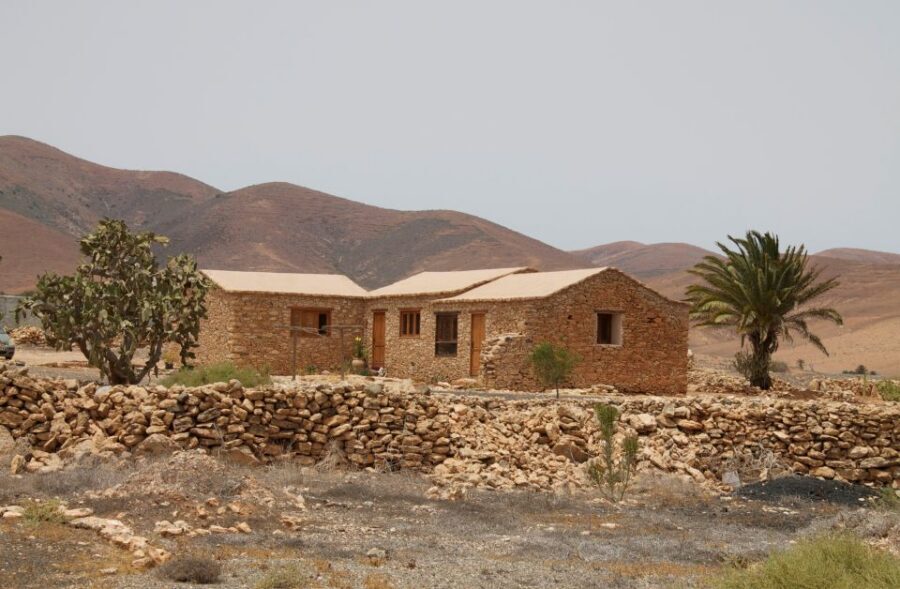
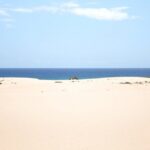
The day finishes with the Dunes of Corralejo—a photo stop with views of the beautiful beach area. This is one of the most memorable moments of the route, because the dunes feel dramatically different from the villages you’ve visited.
You get time for photos and a chance to appreciate the sand and sea edge in the context of the dune area. The tour notes that this setting has been used as a natural backdrop for Hollywood film productions, which adds an extra layer if you like recognizing film locations in real life.
Here’s the practical tip: treat this stop like a short chance to enjoy the environment, not a full beach day. Wear shoes you can walk in comfortably, and if it’s sunny, protect yourself with the basics (hat/sunglasses/sunscreen). The day is long, and your comfort in the dunes zone will affect the quality of the final hour.
Price and Value: Why $73 Can Be a Good Deal Here
At about $73 per person for an 8-hour tour, what you’re really paying for is convenience plus structured access. You’re getting:
- Air-conditioned bus transport for the full route
- An official guide speaking multiple languages
- A ticket to Casa Santa María
- Lunch included
If you add up the cost of admission plus a guided day plus the transport you’d need to cobble together, the value starts to make sense. This is especially true if you’re staying in the south and don’t want to plan how to reach Betancuria, Casa Santa María, and the dunes area with separate tickets and long drives.
The other value angle is time. With a guided route, you spend less effort figuring out what’s worth it. Your day has built-in logic, and the guide’s explanations help you get meaning from what you see.
Just be honest with yourself about who this tour fits: if you want full independence and long, unstructured stops, this won’t be your favorite style. If you want an efficient “greatest hits” day with real cultural stops, it’s a strong match.
Logistics That Affect Your Day (Pickup, Timing, and Pace)
The tour is for guests staying in the south of Fuerteventura—specifically Jandía and Costa Calma. Pickup is included, and you should wait in the hotel lobby. One important heads-up: you might not be picked up exactly at your hotel, and the supplier will reconfirm the pickup point and time after booking.
That matters because it changes how you plan your morning. You’ll want a flexible start, not a tight schedule with breakfast reservations.
Also, pace is real here. One review note highlighted that there can be time pressure. That doesn’t mean it’s chaotic, but it does mean the day is structured. You’ll do well if you’re the kind of traveler who likes organized touring.
Finally, there’s a clear accessibility limit: the buses are not suitable for wheelchairs. If accessibility is an issue for you, you’ll need another option.
Who This Tour Suits Best
I’d point you to this tour if you fit one of these profiles:
- You’re visiting Fuerteventura and want a single-day snapshot of villages plus dunes
- You care about practical culture, like understanding aloe beyond a souvenir
- You prefer guided explanations in English, Italian, or French
- You’re staying in Jandía or Costa Calma and don’t want to build your own route
It’s also a good choice if you like history in a tangible form. Casa Santa María and the viewpoints give you that, without requiring hours of museum time.
If you hate schedules, or you need long stays in each stop, you might find the timing limiting. In that case, consider a slower plan with fewer stops.
Should You Book This Fuerteventura Full Day Tour?
Book it if you want a well-rounded day that blends Pájara, Betancuria (Casa Santa María), aloe production education, a traditional lunch, and the Corralejo dunes—all with a guide and included transport. It’s a solid value because key parts of the day (guide + admission + lunch + bus) are wrapped together for you.
Don’t book it if you need wheelchair-friendly transport, want long free time at each stop, or you’re staying outside the south pickup area. Since pickup is limited to Jandía and Costa Calma, your hotel location is a make-or-break detail.
If you’re happy with a structured day and you’d like your Fuerteventura trip to feel organized instead of stressful, this one is easy to recommend.
FAQ
How long is the Fuerteventura full day tour?
The tour lasts 8 hours.
What’s included in the price?
It includes an air-conditioned bus, an official guide, a ticket to Casa Santa María, and lunch.
Where is pickup offered?
Pickup is included for guests staying in the south of Fuerteventura, specifically Jandía or Costa Calma. You’ll wait in the hotel lobby, and the exact pickup point and time can vary.
What languages are the live guides?
The guide offers live commentary in English, Italian, and French.
Is lunch included, and can dietary needs be handled?
Yes, lunch is included and features traditional dishes. Dietary preferences can be catered to if you give notice.
Is this tour suitable for wheelchair users?
No. The buses used for this tour are not suitable for wheelchairs.