REVIEW · FUERTEVENTURA
Fuerteventura: 1.5-Hour SUP Course – Caleta de Fuste
Book on GetYourGuide →Operated by CANARY SURF ACADEMY · Bookable on GetYourGuide
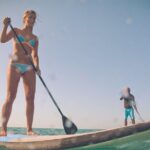
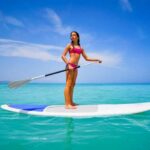
A board, a warm sea, and suddenly you’re learning balance. This 1.5-hour SUP course in Caleta de Fuste turns your first wobble into real technique, with coaching that focuses on what to do (and what to stop doing).
What I like most is the way the session blends basics with actual time on the water. Second, you get structured help on safety, currents, and spotting good SUP spots, so you’re not just drifting and hoping.
One consideration: you do need to be a confident swimmer and physically ready for repeated getting on/off the board, especially at the start when learning to stand.
In This Review
- Key things to know before you go
- Caleta de Fuste SUP in 90 minutes: what makes it work
- On land first: stretching, safety, weather, and reading water
- The first splash: learning to stand without losing your mind
- On-water technique: using your whole body, not just your arms
- The value of small groups and multilingual coaching
- What it costs and why it’s reasonable for the time
- Equipment and comfort: what to bring so you enjoy it fully
- Meeting point you can find quickly: Eurostars Las Salinas
- Who should book this SUP course in Fuerteventura
- Should you book? My take on the decision
- FAQ
- How long is the SUP course?
- Where does the SUP course meet?
- Is the SUP course suitable for beginners?
- Do I need to be a strong swimmer?
- What’s included in the price?
- What should I bring to the course?
- What languages are available?
Key things to know before you go
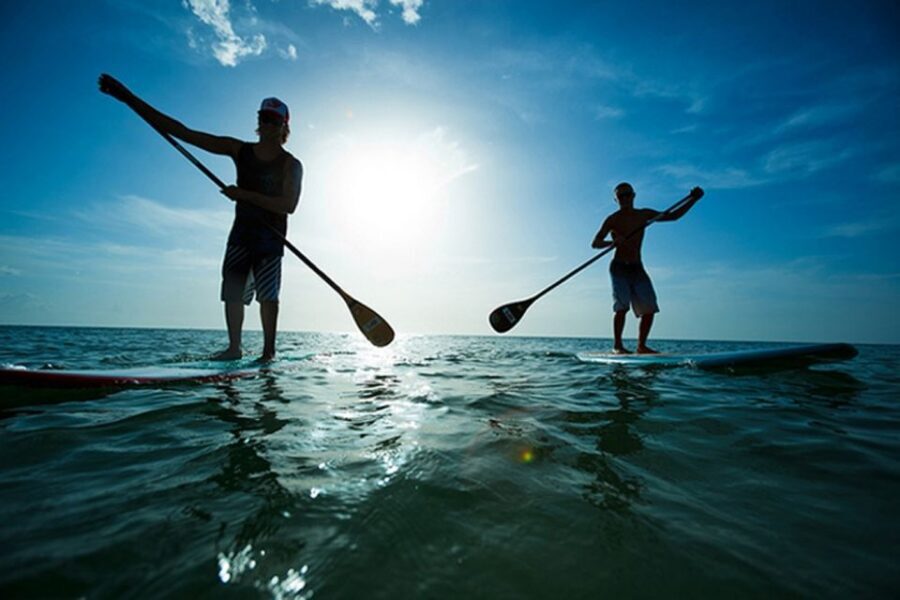
- Flat-water training time (about 1.5 hours) means you can focus on skills without fighting rough conditions
- Max 4 learners per instructor in the water helps you get corrections, not generic tips
- A real warm-up on land with stretching plus safety talk sets you up to paddle with better form
- Multiple languages available (Spanish, English, Italian, French) so instructions actually land
- Beginner-friendly pace with lots of falls that make sense as you learn balance
Caleta de Fuste SUP in 90 minutes: what makes it work
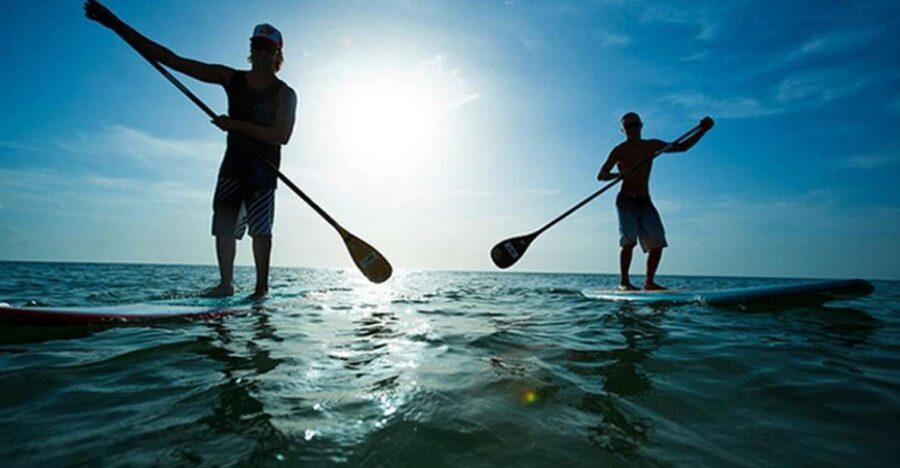
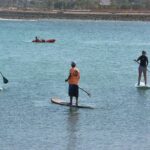
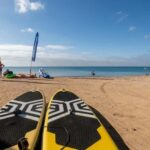
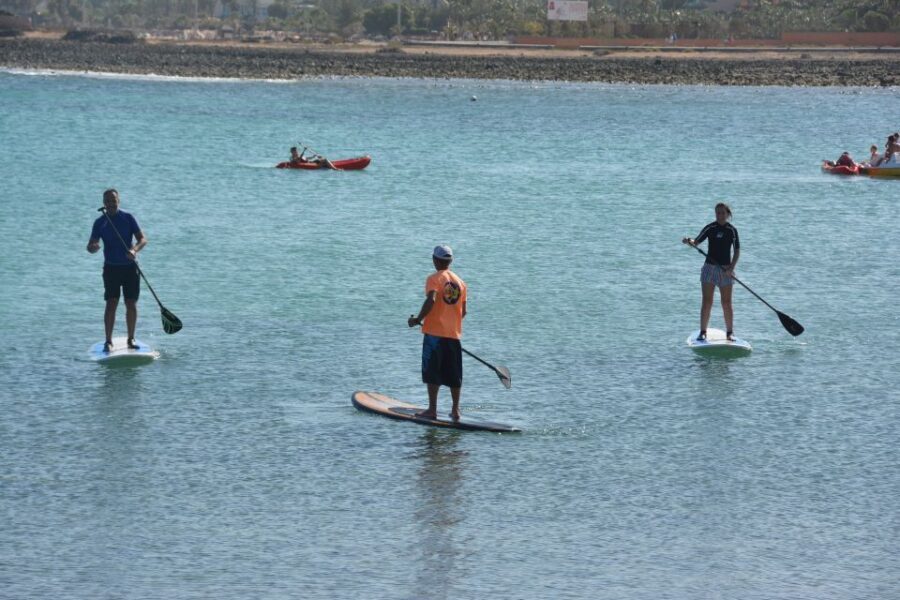
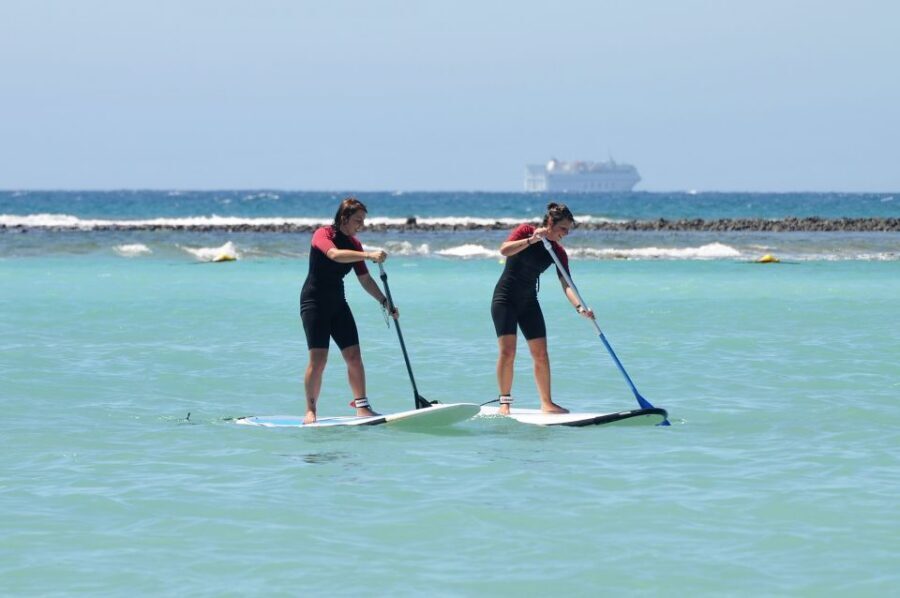
Caleta de Fuste is set up for beach days, and that’s exactly why a SUP course here feels approachable. You’ll be on flat water, so you can spend your energy on learning the board instead of wrestling waves. The whole session is designed around a tight time window—about 1.5 hours total for theory and practical work on the beach and in the water.
The practical win is how quickly you move from basic stance to using your body. The best part is that this is not a random paddle. You learn a sequence: stand correctly, row with better technique, then add simple maneuvers as you gain control.
For your vacation, that’s huge. You get a memorable activity without burning half a day. And because the instruction is aimed at all levels (with a minimum age of 6), it’s also a good option if you’re traveling as a family where some people are brand new.
Other stand-up paddle courses in Fuerteventura
On land first: stretching, safety, weather, and reading water
Before you head into the sea, the course starts with the stuff that makes you safer and calmer once you’re afloat. You’ll get stretching and some technical basics so your first attempts don’t feel totally random. Then the instructor covers safety and how to think about conditions, including the weather forecast and how to observe currents.
That safety section matters more than people expect. SUP looks simple until you’re on a board and the water is doing something you can’t ignore. Even on flatter water, currents can shift your position, and learning how to notice them helps you paddle smarter instead of fighting the drift.
You’ll also learn about how to observe currents and SUP spots—basically, how to pick the right water and avoid the places that’ll make balance harder than it needs to be. If you’re the type who likes understanding the why, this part is a confidence booster.
The first splash: learning to stand without losing your mind
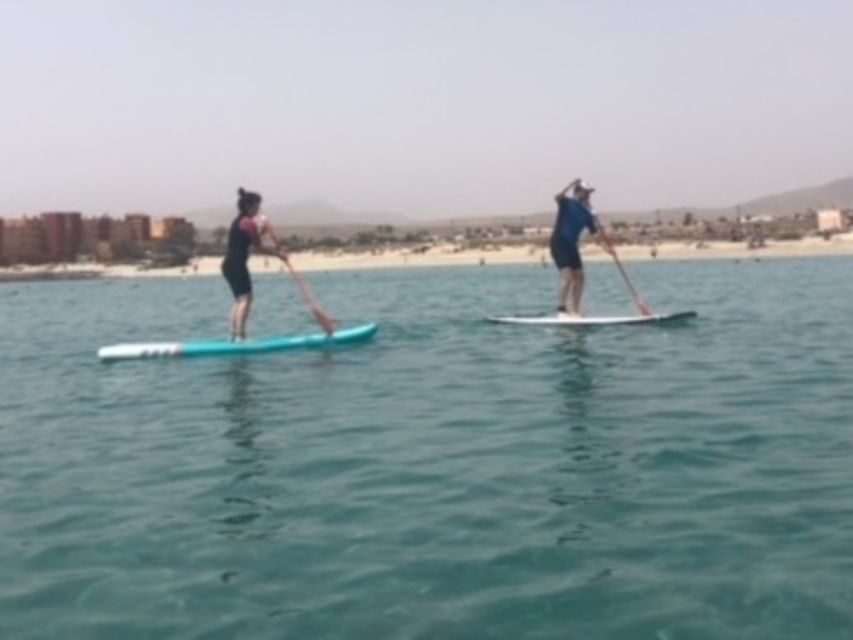
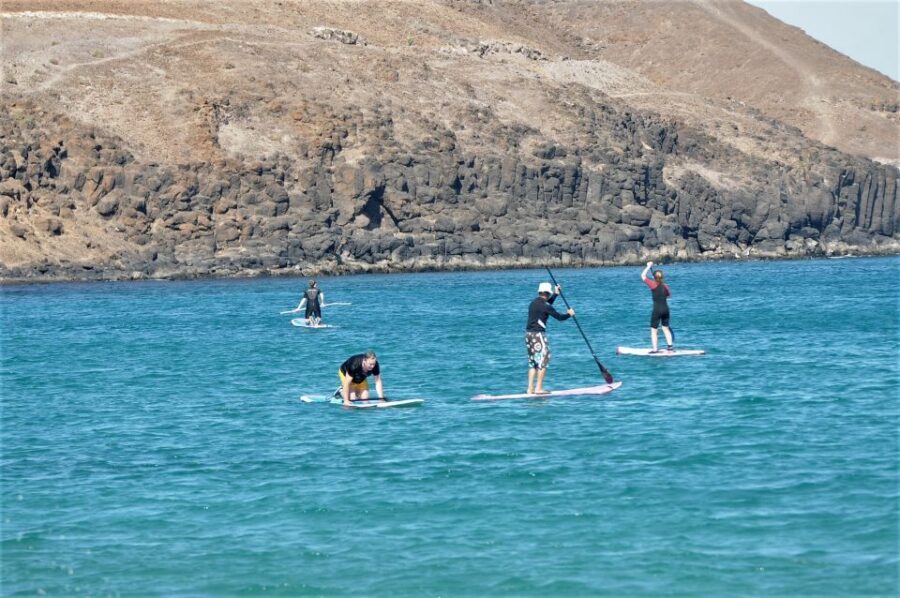
This is where the course earns its reputation. If it’s your first time, expect that learning curve. You’ll begin with knee support and then gradually work toward standing. Yes, you’ll likely fall. That’s part of the process—especially early on—but the coaching approach helps you recover quickly and keep the session moving.
In the reviews, the same pattern shows up: instructors that explain clearly, stay patient, and give corrections that make the next attempt better. Many first-timers start out concentrating on not tipping over, then within the session they’re finally able to stand instead of being stuck on the knees.
The coaching style seems to focus on:
- body position and balance (where to place your weight)
- how to hold the paddle and what your arms/shoulders should do
- what mistakes are common for beginners (and what to change right away)
One standout detail from the feedback is the emphasis on gentle correction. People appreciated that the instructor explains what to do and what not to do, rather than just saying keep trying. That’s how you improve fast without frustration.
On-water technique: using your whole body, not just your arms
Once you’re standing more reliably, the session shifts into technique. The course is about more than staying upright—it’s about moving correctly.
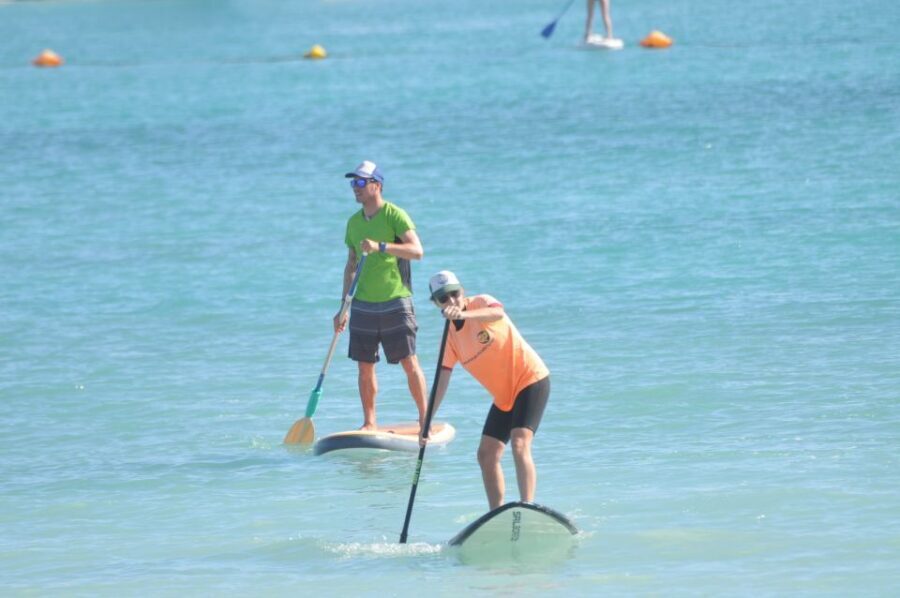
You’ll practice rowing with correct form and then build toward different maneuvers. The aim is to get you using your whole body: legs for stability, core for control, and arms/upper body for paddle power and direction. That whole-body approach is why SUP becomes more athletic as you go, even though it starts out feeling like a casual beach activity.
Because the session is limited to a small group size—no more than 4 learners per instructor in the water—you can get personal tweaks as you paddle. That’s also why the instruction works for both true beginners and people who already know the basics and want refinement.
And you’ll feel it. The best SUP lessons make you more coordinated quickly. You’re learning how to balance while you move, then adding controlled changes to your direction and speed.
The value of small groups and multilingual coaching
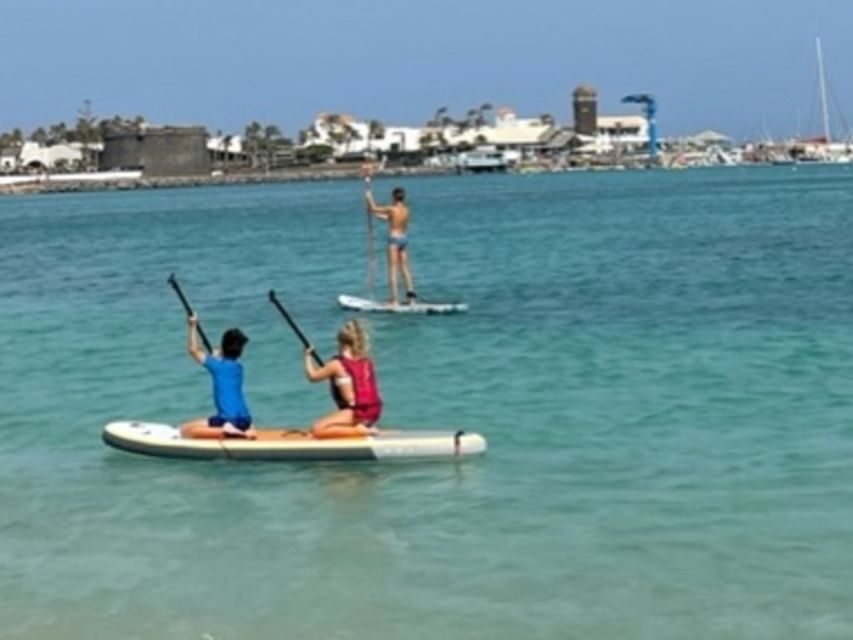
This course runs with an instructor who teaches in Spanish, English, Italian, and French, which is great if you’re not traveling with a Spanish-only group. Clear instruction is the difference between repeating the same mistake all day and actually improving.
The small in-water ratio is a big part of the value equation. With up to 4 learners per instructor, you’re more likely to get direct feedback. Instead of waiting for your turn to be noticed, you get corrected while it still matters.
From the reviews, the instructor named in multiple accounts is Claudia. People singled out how kind she is, how patiently she explains, and how she adapts the session to different skill levels. If you’re nervous about doing something wrong, that kind of calm, patient approach tends to matter as much as the techniques themselves.
Other Caleta de Fuste tours and rentals in Fuerteventura



What it costs and why it’s reasonable for the time
At $41 per person for about 1.5 hours, the key question is what you get for that price. Here’s the practical breakdown:
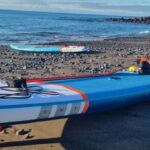
- You get full equipment: board, paddle, and a leash. If needed, you’ll also have neoprene available.
- You get a certified instructor and structured lesson time (not just rental time).
- You spend meaningful time practicing on the water, with coaching designed to build coordination and technique.
That combination is usually where value shows up. Board rentals alone can be fun, but you lose the fast skill-building. Paying for instruction helps you get competent quicker—especially if you’re new.
Also, the course includes water and mentions a little snack, but there are notes that a snack may not be included due to restrictions. So plan like you’re getting water, but don’t count on food being part of every departure.
Equipment and comfort: what to bring so you enjoy it fully
You’ll enjoy the session more when you’re comfortable from the start. The course asks you to bring the basics that make beach-water switching easy:
Bring:
- Swimwear
- Change of clothes
- Towel
- Sunscreen
- Drinks and water
- Beachwear
A few practical tips from experience with coastal activities (keeping it simple):
- Wear something you can move around in while paddling and while climbing onto/off the board.
- Bring a towel you don’t mind getting salty, and a dry layer for the ride back to your hotel.
- Sunscreen is not optional in Fuerteventura sun, even if the water keeps you cool.
Also, note what’s not allowed: alcohol and drugs, and the info says food and drinks aren’t allowed. Since the list also mentions bringing drinks, the safest approach is to follow staff directions on what you can have during the activity.
Meeting point you can find quickly: Eurostars Las Salinas
The meeting point is straightforward if you know where you’re headed. Meet at the ground floor of the Hotel Eurostars Las Salinas, on the paseo marítimo in Caleta de Fuste.
If you’re arriving by foot from the main waterfront areas, give yourself a little buffer. Beach activity timing is tight, and you’ll want time for check-in and getting your gear sorted before heading out.
Who should book this SUP course in Fuerteventura
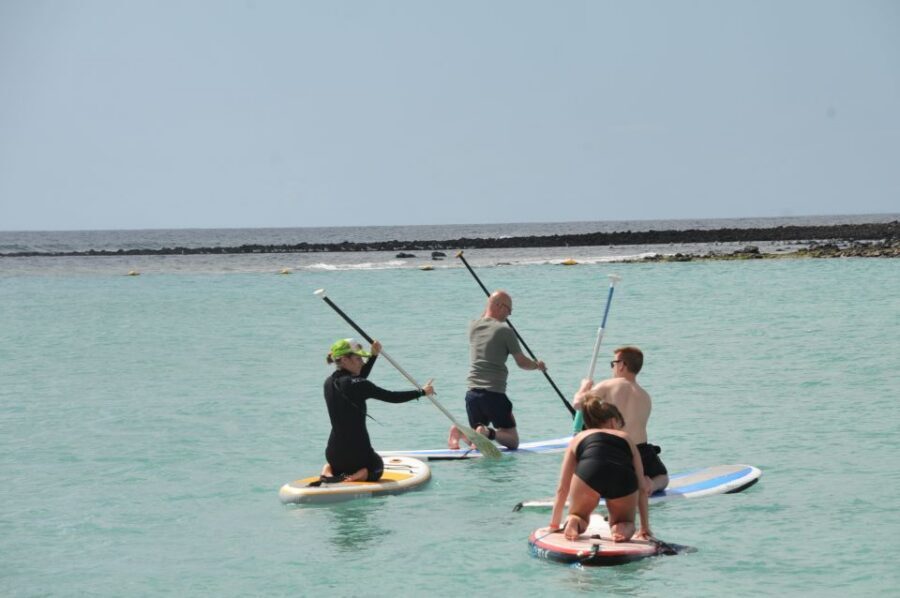
This is a good fit if you want a structured first SUP experience without a big time commitment. You’ll likely love it if:
- you’re a beginner or intermediate who wants technique and balance coaching
- you want to paddle on flat water while learning safety basics
- you’re traveling with family or friends and want a session that works across levels
- you prefer small-group attention (the in-water limit helps)
It’s not the best match if:
- you’re a non-swimmer, since the course requires confidence in the water
- you’re looking for a long multi-hour tour or an all-day paddle (this is a focused 90-minute lesson)
Should you book? My take on the decision
If you want to learn SUP the right way—balance, correct paddling, and basic safety—this 1.5-hour Caleta de Fuste course is a strong value. The price feels fair for an instructor-led session with full equipment and real practice time on flat water.
The deciding factor is simple: you should be ready for a learning curve. If you’re confident in the water and you’re okay with early falls, you’ll likely leave feeling more capable and motivated to keep practicing.
If you hate the idea of being coached while you’re still wobbly, or you’re not confident swimming, consider a different kind of water activity first.
FAQ
How long is the SUP course?
The course lasts about 1.5 hours, including beach theory and practical time on the water.
Where does the SUP course meet?
You meet on the ground floor of the Hotel Eurostars Las Salinas, on the paseo marítimo in Caleta de Fuste.
Is the SUP course suitable for beginners?
Yes. The course welcomes all levels, including beginners, with practice that starts from basic control and works toward standing and maneuvers.
Do I need to be a strong swimmer?
Yes. You must be a confident swimmer and physically fit. It is not suitable for non-swimmers.
What’s included in the price?
Equipment is included, including the board, paddle, and leash (and neoprene if necessary), plus the instructor’s coaching. Water is included, and a small snack may be affected by restrictions.
What should I bring to the course?
Bring swimwear, a change of clothes, a towel, sunscreen, and drinks/water, plus beachwear.
What languages are available?
The class is available in Spanish, English, Italian, and French.