REVIEW · LOS ALARES LAS PALMAS
The Animal Academy – Shelter Tour
Book on GetYourGuide →Operated by The Animal Academy · Bookable on GetYourGuide
Meeting 200 rescued farm animals changes your mood. At The Animal Academy in Spain, you join a small group guided tour where rescued donkeys, goats, horses, sheep, pigs, and more get real time, real names, and real backstories.
I love how the visit feels like a working sanctuary, not a show. I also like that the animals choose the interaction—if someone comes over for affection, you’re allowed to pet them, but nothing is forced.
One consideration: the guided portion is heavy on spoken information, so it can be a stretch for infants, very small kids, or anyone not comfortable with the tour language (English or Spanish).
In This Review
- Key things I’d circle before you book
- Rehabilitation comes before entertainment
- Your 2-hour visit: guided tour first, then your own pace
- The guided tour (about 1 hour)
- Free time after the tour
- Meet the farm animals like individuals (not exhibits)
- Small group size means the tour feels personal
- Why the $23 price feels fair (and what it buys)
- Getting there: dirt roads, simple logistics, and a key safety rule
- Meeting point
- What to bring
- The interaction rules you should know up front
- Who this tour suits best (and when you might reconsider)
- Should you book The Animal Academy shelter tour?
Key things I’d circle before you book
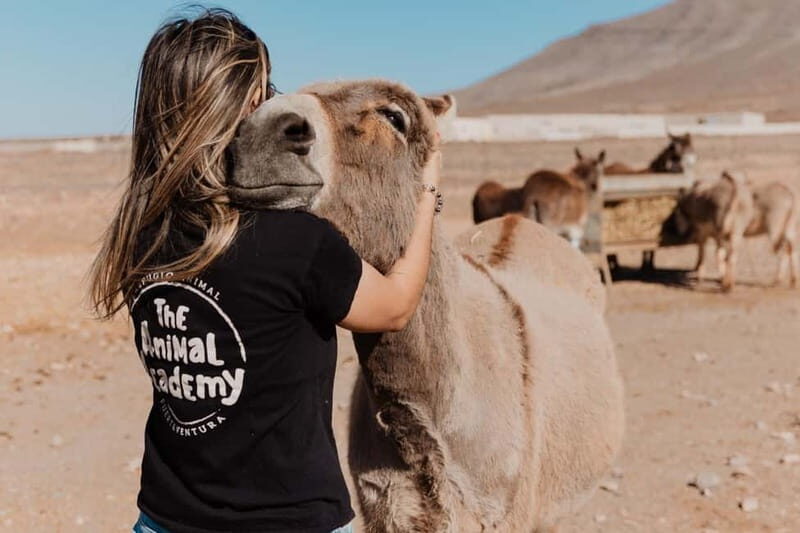
- Over 200 farm animals housed on-site, including donkeys, goats, horses, sheep, pigs, and more
- Not open to the public—you visit only by joining the guided tour
- Two-part visit: about 1 hour guided + free time to explore at your own pace
- Small groups (max 10) so the guide can keep the focus on individual animals
- Direct support model: your ticket helps fund ongoing rescue, rehabilitation, and care
- No treats and no riding—you get connection without turning the place into an amusement setup
Rehabilitation comes before entertainment
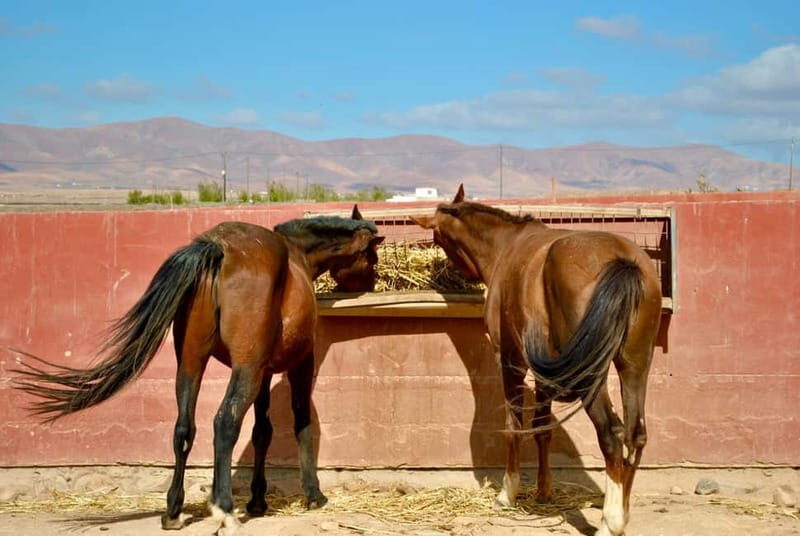
What makes The Animal Academy different is the mission. This is a family-owned, non-profit association focused on rescuing farm animals and, more importantly, rehabilitating and caring for them after abuse, abandonment, and/or neglect. The emphasis is on recovery and daily welfare, not on staging fun for visitors.
That shows in how the tour is structured. You’re brought in to learn about the animals’ situations, see how they’re managed, and then spend time with them in a respectful way. It’s not a petting zoo, and you’ll feel that right away. Interactions only happen when the animals want them. If they don’t, you don’t. If they do, you can give some well-deserved affection.
Also, it’s worth knowing the practical side: the guide will spend a lot of time talking. If you’re hoping for a mostly visual, low-lingua experience, this may not match that expectation.
Your 2-hour visit: guided tour first, then your own pace
Plan on roughly 2 hours total. The day doesn’t swallow your schedule, which is great if you’re trying to fit in a meaningful activity without losing half a vacation.
The guided tour (about 1 hour)
This is the main course. Your guide introduces the animals and shares rescue stories—why each animal ended up here and how they’re supported now. You get the “why,” not just the “what.” In reviews, guests mention guides such as Fran and Javier, and the common thread is that the guide really knows the animals by name and explains their needs and behavior patterns.
A big value of this part is context. Farm animals aren’t zoo animals. Their personalities and needs can be very specific, and that comes through in the way the guide talks.
Free time after the tour
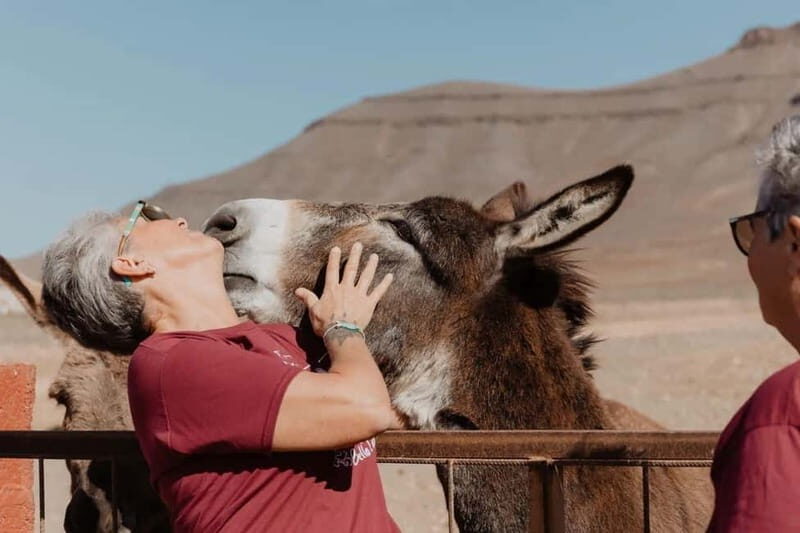
After the guided section, you’re welcome to walk around at your own pace and spend more time where you feel a connection. This is when the visit can become emotional in a good way: you’re not moving on a strict script, and you can slow down with whatever animals seem most comfortable around you.
Just remember the rules: don’t bring food or treats, don’t force handling, and don’t ride the animals. If an animal approaches, you can pet or cuddle it—on its terms.
Meet the farm animals like individuals (not exhibits)
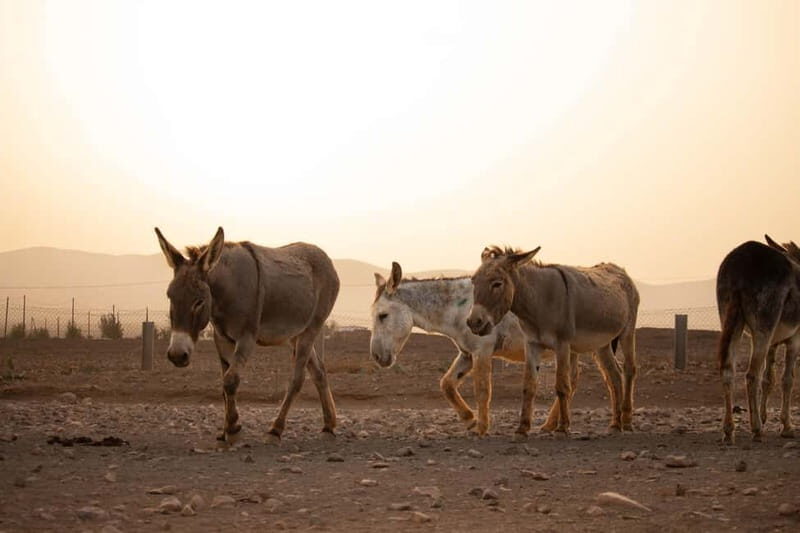
The shelter houses over 200 farm animals, so you’ll see a wide variety of residents. Based on what’s shared from the experience, you can expect to meet animals such as donkeys, goats, horses, sheep, pigs, and ducks, plus other farm species.
One thing I think you’ll appreciate—especially if you’re not trying to “collect” animals for photos—is that the place treats each animal as a person. Reviews repeatedly mention that the guide walks you through stories animal by animal. That turns a “walk around a farm” into a deeper understanding of what rehabilitation can look like in real life.
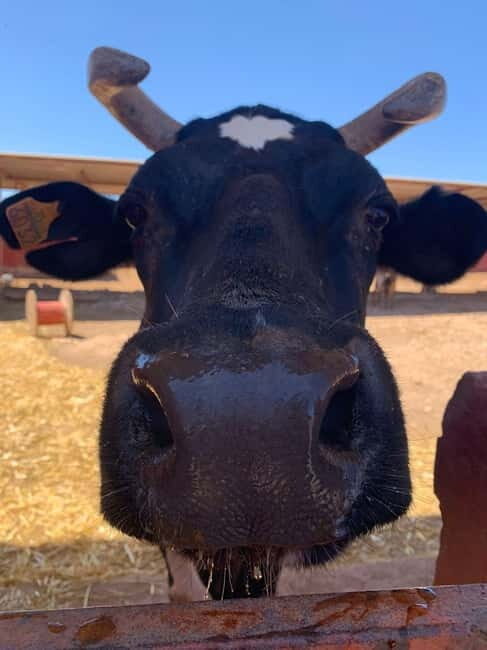
Also, affection here is real, but it’s not guaranteed. Many animals can be very affectionate and may approach you. But you’re not doing animal handling like a theme park. You’re getting permission by the animals themselves.
Small group size means the tour feels personal
This is limited to 10 participants, which matters more than you’d think. With a smaller group, the guide can slow down, keep track of questions, and make sure you’re not being rushed through.
It’s also a calmer vibe. You’ll have enough room to move, watch, and listen without the whole experience turning into a bottleneck. In reviews, guests highlight how much time the guides spend and how they answer questions, and that tends to be easier when you’re not dealing with large crowds.
If you’re visiting with kids, this small-group format can help. One recurring theme in feedback is that children enjoy seeing and interacting when animals approach, while adults enjoy the human side of the rescue work.
Why the $23 price feels fair (and what it buys)
At $23 per person, you’re not paying for entertainment. You’re paying for access to a working sanctuary and the means to keep it running.
That value shows up in the way the program is described: the shelter is not open to casual drop-in visits, and your ticket is tied to supporting the ongoing rescue and care effort. This is the kind of experience where the fee doesn’t feel like a souvenir price—it feels like participation.
There’s also the reality factor. One review mentions the shelter operating in difficult conditions with limited funding, with food needing to be purchased and water being scarce. Shelters like this don’t just need donations when things go wrong—they need steady funding to maintain daily care, shelter improvement, and rehabilitation over time. Your payment supports that continuity.
So if you’re asking whether $23 is “worth it,” I’d frame it like this: you’re buying a short, guided, emotionally meaningful morning that also contributes to long-term animal welfare.
Getting there: dirt roads, simple logistics, and a key safety rule
This shelter is accessible via simple dirt roads suitable for all vehicles, which is good news if you’re driving your own rental car. Still, pay attention: you should check your vehicle insurance policy regarding off-road driving, since dirt roads can be treated differently depending on your rental agreement.
Meeting point
Wait outside the entrance gate. You should also not open the gate, since animals may be loose. That’s one of those small instructions that helps keep both you and the animals safe.
What to bring
Because you’ll be outdoors and walking, bring:
- Comfortable shoes
- Water
- Sunscreen
- Sunglasses
- Sun hat
- Comfortable clothes
This is especially important if you’re visiting in warm weather. You don’t want a “great animal morning” ruined by heat or dry mouth.
The interaction rules you should know up front
To keep the animals safe (and healthy), there are clear boundaries:
- No feeding or treats. Some animals can have allergies or intolerances.
- No riding the animals.
- Pets are not allowed (assistance dogs are allowed).
- No alcohol and no drugs.
And while affection is allowed, it’s still on the animals’ terms. The tour experience is designed so you can enjoy closeness without turning the sanctuary into a hands-on attraction.
One practical tip: if an animal is coming toward you, let it set the pace. Stand calmly, keep your hands gentle, and don’t crowd. That helps the animal feel safe, and it improves your own experience too.
Who this tour suits best (and when you might reconsider)
This is best for:
- Animal lovers who want to learn about farm rescues, not just watch animals from a distance
- People who appreciate rehabilitation and welfare over entertainment
- Visitors who like guided storytelling—the talking part is a feature, not a bug
- Families with kids old enough to handle a spoken tour (many guests mention children enjoying the visit)
It may be less ideal if:
- You’re traveling with infants or very young children who struggle through spoken explanations
- You don’t speak English or Spanish, since the guided tour relies on spoken information
- You want a hands-on, guaranteed petting experience. Interactions are allowed, but they’re not forced.
If your main goal is to do something meaningful that also teaches you how daily care works, this one fits well.
Should you book The Animal Academy shelter tour?
Yes, I’d book it if you want a short, high-impact experience that’s genuinely tied to animal welfare. The small group size, the two-part structure, and the chance to learn individual animal stories make it feel worth the time—not like a quick pass-through.
Skip it only if you’re looking for a simple, mostly visual attraction with guaranteed interaction, or if your group includes very young kids who can’t handle the tour’s spoken content. Otherwise, this is the kind of visit that leaves you with both a softer heart and better context for how rescue and rehabilitation actually work.